GEKATA
UAV-borne ELINT complex using a swarm of eight PD-2 drones to detect, classify, and geolocate radar and air-defence systems via TDOA+AOA across 2–18 GHz.
Droneby InfozahystIntroduced 2021
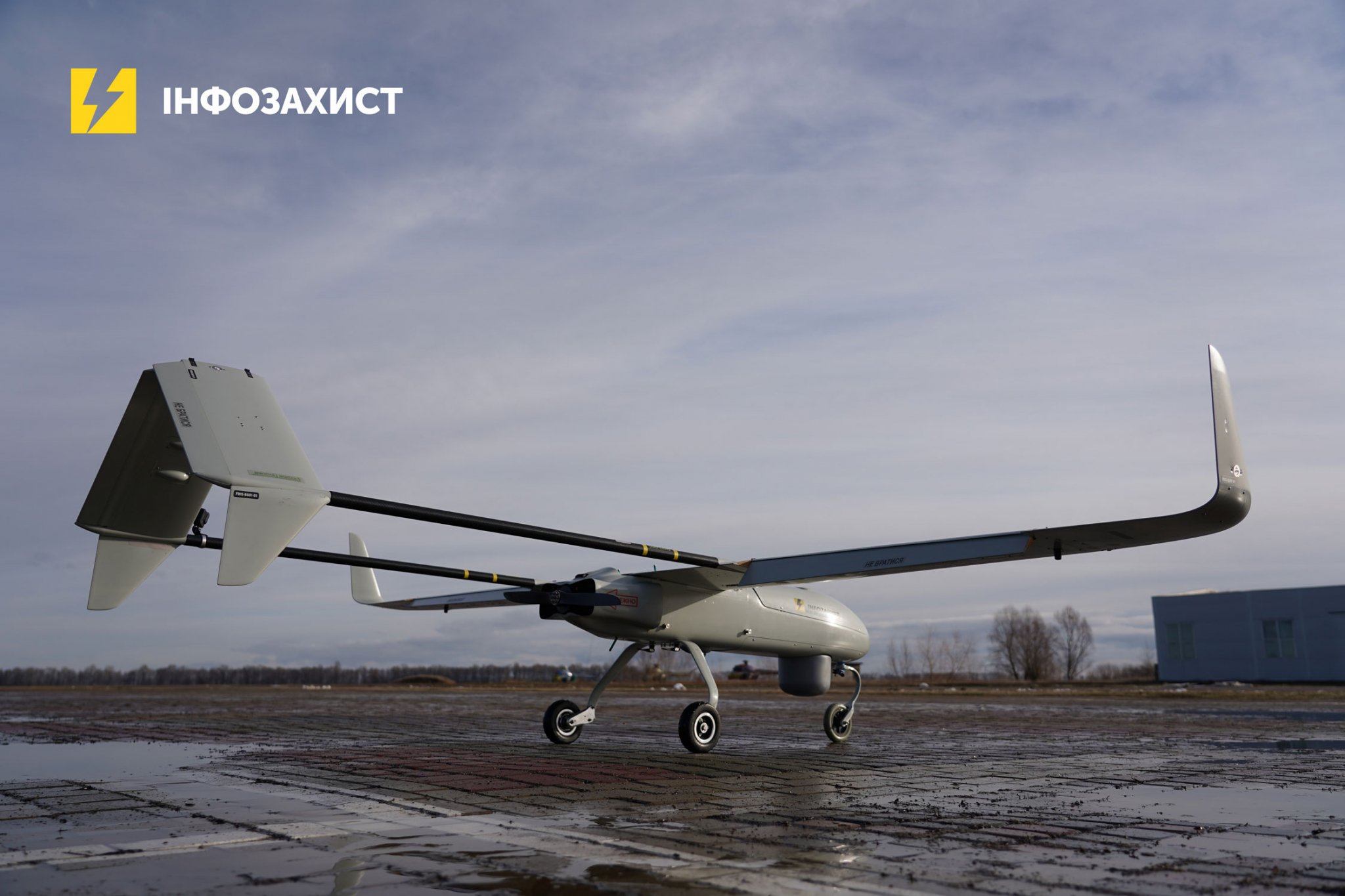
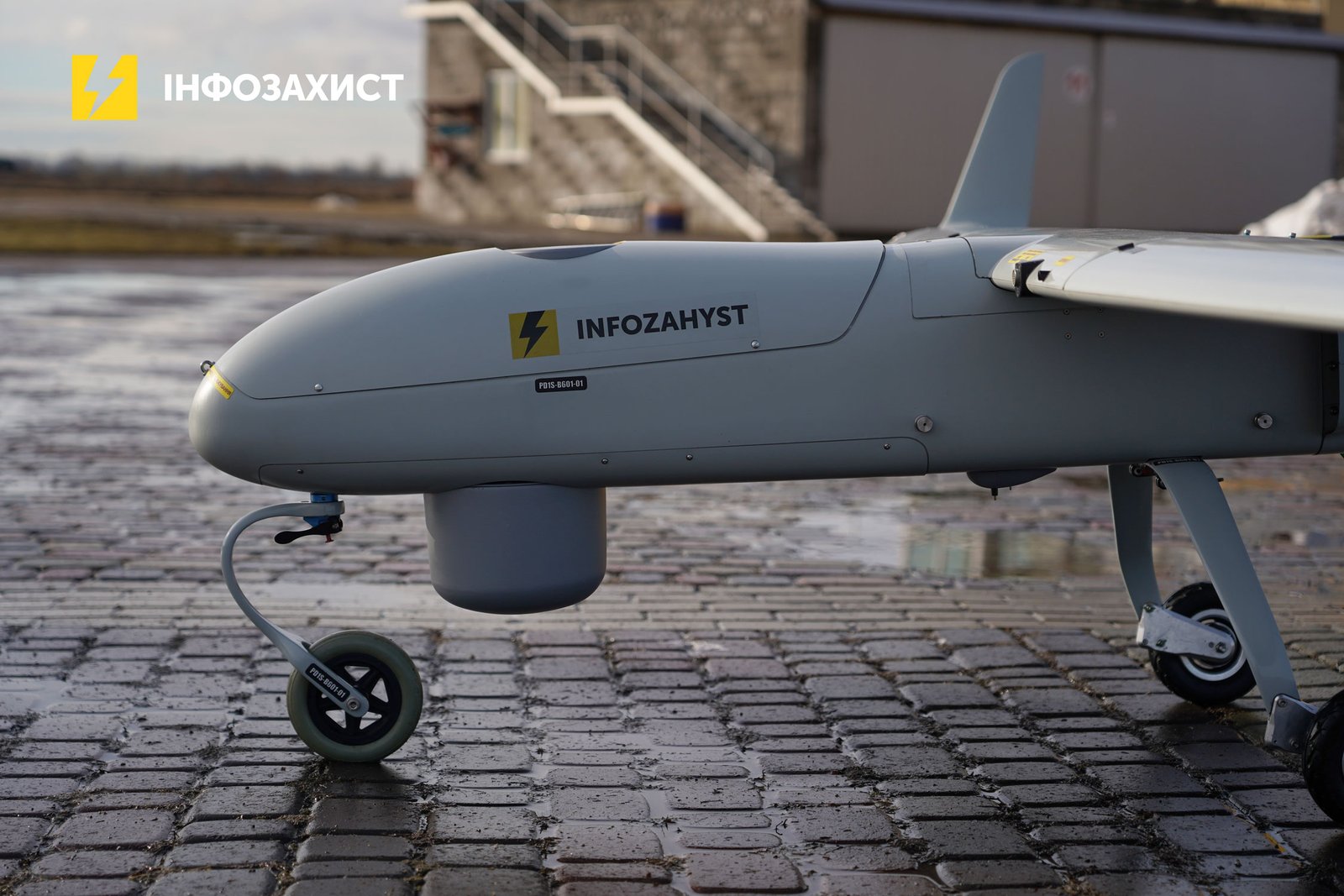
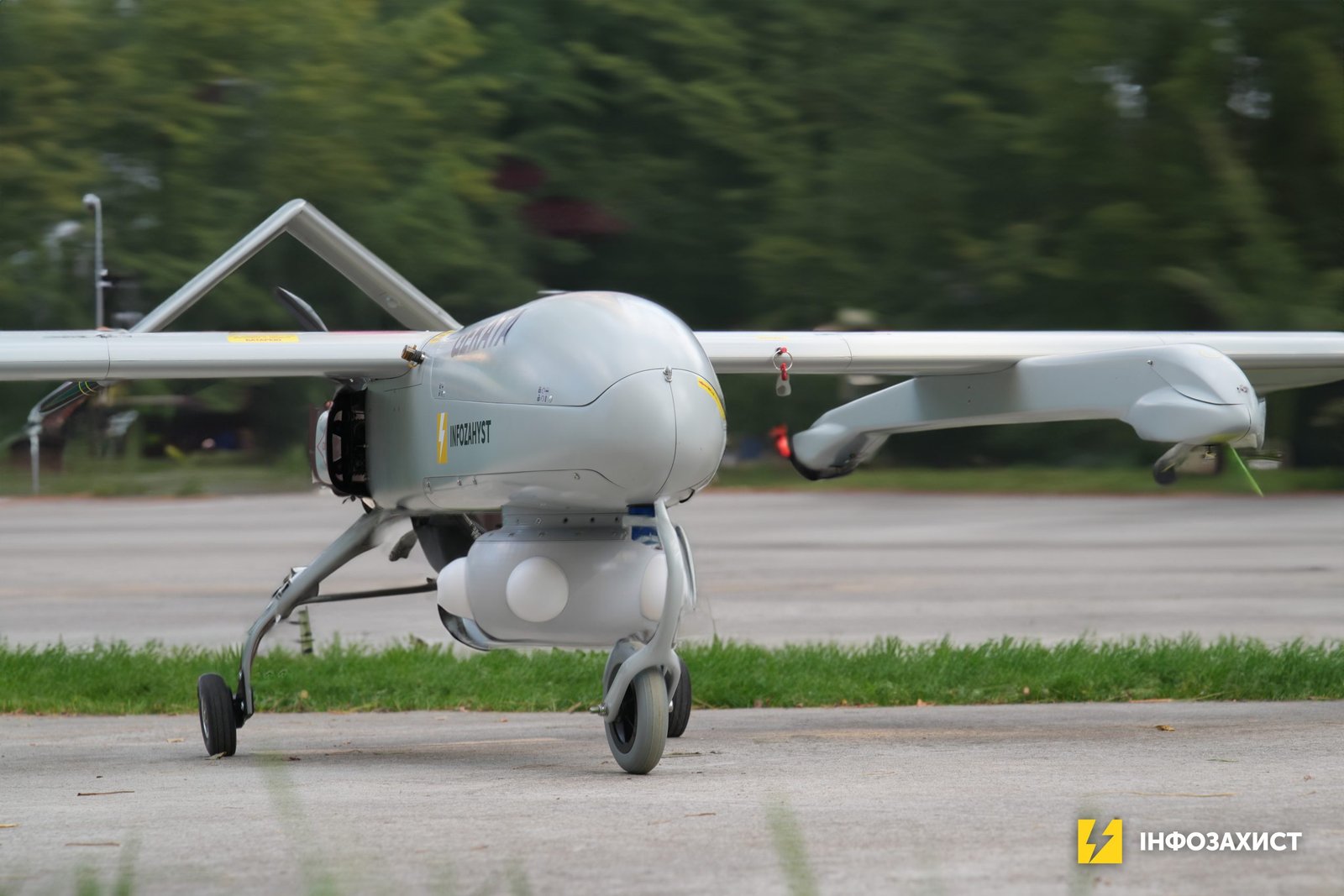
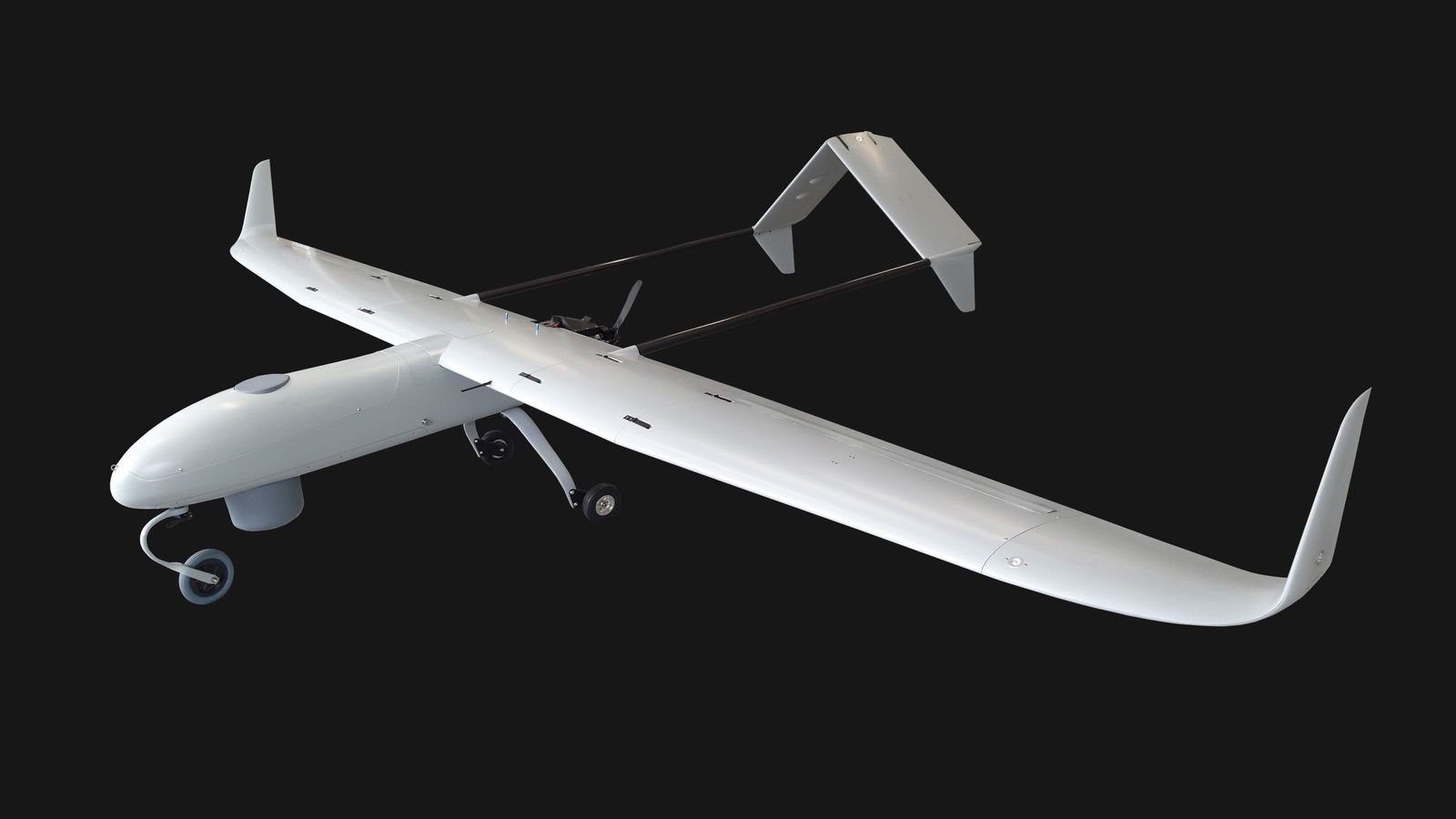
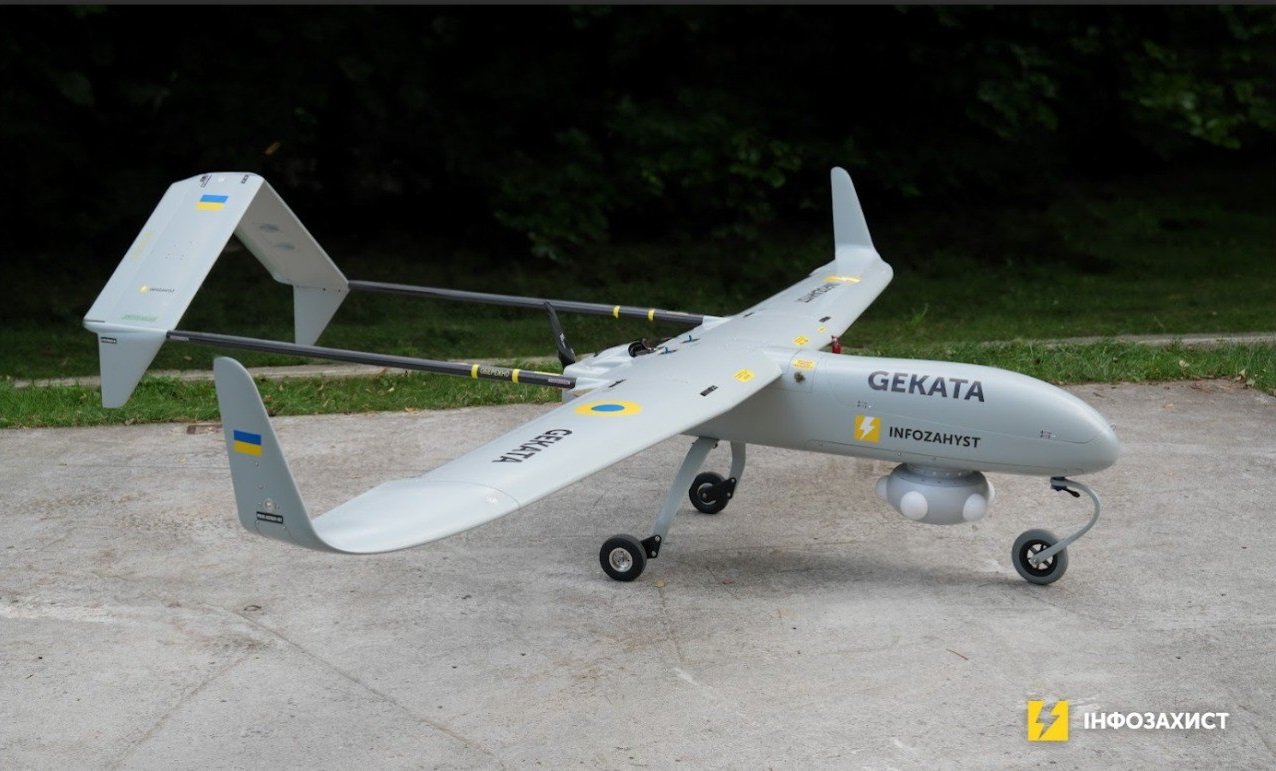
Photos: infozahyst.com · militarnyi.com · en.defence-ua.com
The GEKATA is a UAV-based electronic intelligence (ELINT) complex developed by the Ukrainian company Infozahyst, in collaboration with UKRSPECSYSTEMS. Introduced in late 2021, the system is designed to detect, classify, and geolocate radar and air-defense systems using a swarm of eight PD-2 drones. The primary operator of the system is the Ukrainian military, which has deployed it in the ongoing conflict against Russia.
The system operates by deploying a swarm of eight PD-2 unmanned aerial vehicles, consisting of four active drones and four spares for rotation. These drones carry a 10-kilogram suite of radio reconnaissance equipment. The complex covers a frequency range of 2–18 GHz, with a real-time instantaneous bandwidth of 800 MHz. It is capable of processing up to 2.5 million pulses per second and tracking up to 200 simultaneous targets. The system uses Time Difference of Arrival (TDOA) and Angle of Arrival (AOA) methods to determine the coordinates of radio-emitting objects. The manufacturer claims the system can detect and identify signals from ground, surface, and air targets, including those with low probability of intercept (LPI). The deployment process is designed to be rapid; the company states that a 100-kilometer baseline can be established in two hours.
Infozahyst, founded in 2007 and headquartered in Kyiv, specializes in radio monitoring and signals intelligence. The GEKATA system is part of their broader portfolio of UAV-based electronic warfare and reconnaissance solutions. The company highlights that the system offers a lower cost compared to ground-based or manned aircraft ELINT complexes, while providing greater line-of-sight range for detecting ground-based radar installations. The system includes an onboard recording and automatic processing unit, allowing for the collection of new signal data for later analysis.
The system has undergone flight testing since its initial debut in December 2021. In February 2022, Infozahyst reported successful second flight tests aimed at establishing critical operating conditions. The company’s CEO, Yaroslav Kalinin, stated that the tests allowed them to record necessary characteristics for further operational use. The system is intended to enhance the capabilities of air defense forces by identifying the locations and operational modes of enemy radar and air-defense systems, thereby increasing the detectability of stealth aircraft.
GEKATA represents a shift toward distributed, swarm-based electronic warfare tactics. By utilizing multiple small drones rather than a single large platform, the system aims to provide resilient and flexible intelligence gathering. The ability to operate across a wide frequency band and process high volumes of pulses makes it a significant asset in the modern electronic battlefield, where the detection of radar emissions is critical for survival and counter-battery fire.