FP-6
Extended-range development of Fire Point's FP-1 attack drone, with fuel carried in a new wing; first used against the Omsk refinery, about 2,500 km from Ukraine, in July 2026.
Droneby Fire PointIntroduced 2026 · Updated 2026
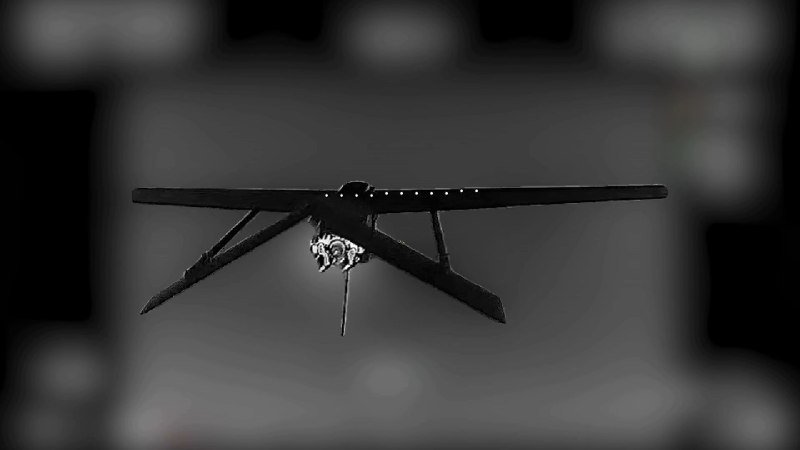

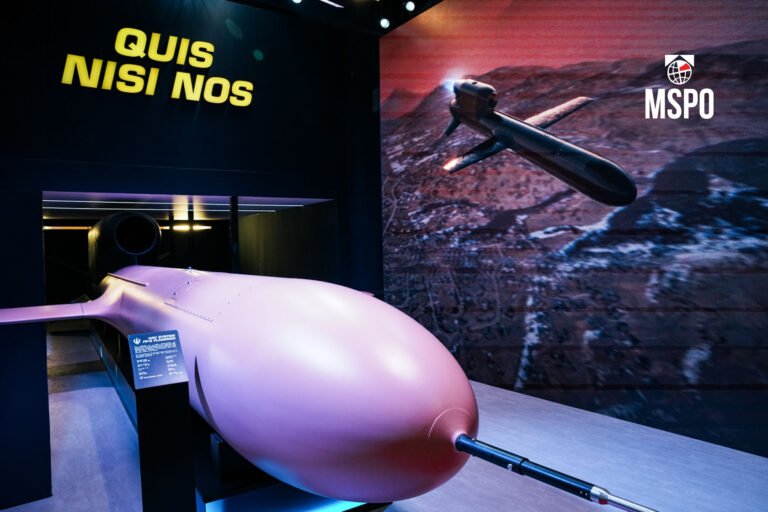

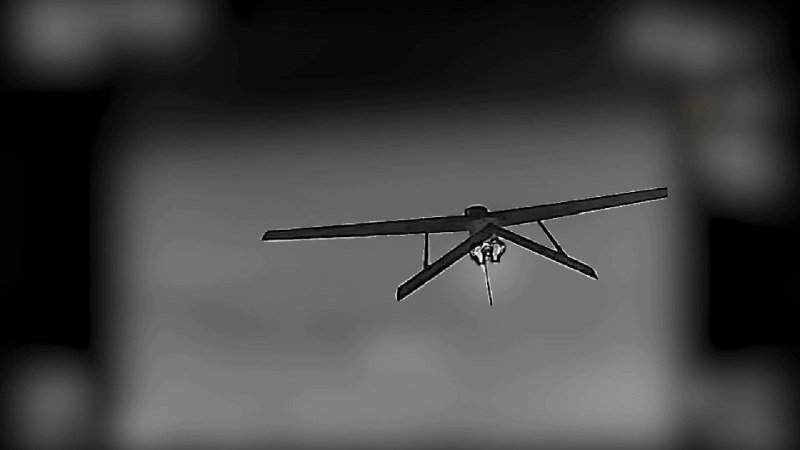
Photos: Victory Drones (Telegram) · Fire Point
The FP-6 is the extended-range development of the FP-1, the propeller-driven one-way attack drone that carries most of Ukraine’s long-range strikes. It is built by Fire Point. The main change is the wing: a new trapezoidal wing with a straight leading edge that also holds fuel, so the drone can fly further without giving up warhead space inside the fuselage.
What is known
The upgraded drone was first used in July 2026, before it had a name. On 6 July Ukrainian drones struck the Omsk refinery, Russia’s largest, about 2,500 km from the border: the first Ukrainian strike on a plant beyond the Urals. The aircraft were reported as an extended-range FP-1, with longer wings holding extra fuel, and Fire Point co-owner and chief designer Denys Shtilierman put its range at up to 3,400 km (Euromaidan Press).
The name came in October. After a second strike on the Omsk refinery on 8 October 2026, President Volodymyr Zelensky said the next day that FP-6 drones, the modified FP-1, had been used alongside the An-196 RS, an extended-range Liutyi (Militarnyi). Ukrainian reporting puts the FP-6’s range at up to 3,400 km with a heavier payload than the FP-1’s (UNITED24 Media). That figure is the maker’s; the longest strike publicly attributed to the type is the Omsk refinery at about 2,500 km.
No warhead weight, engine, cost or production figures have been published for the FP-6. Some outlets call the same aircraft the FP-1(ER), and it is not clear whether every long-wing FP-1 now carries the new name. The base FP-1 is listed at about 60 kg of explosive and around 1,600 km.
Why it matters
Omsk lies in western Siberia, beyond the reach that Russian air defence planning had treated as the rear. A cheap propeller drone flying 2,500 km over Russian territory and hitting a refinery there, twice in three months, moved the line of what Ukraine can reach without Western missiles. It also shows how Fire Point works: rather than a new airframe, it stretches one it already makes in large numbers.
Combat experience
Media
Articles
Ukraine Uses Updated AN-196 RS and FP-6 Long-Range Drones — Zelensky
Militarnyi · 2026-10-09
Meet FP-6 and the AN-196 RS Liutyi — Ukraine's long-range drones now reach up to 3,400 km
UNITED24 Media · 2026-10-09
A $50k Ukrainian drone just hit a refinery 2,500 km inside Russia. The expensive missiles couldn't
Euromaidan Press · 2026-07-08
Sources
- militarnyi.com/en/news/ukraine-an-196-rs-fp-6-long-range-drones/ (2026-11-18) — Militarnyi, 9 Oct 2026 — upgraded FP-1 renamed FP-6 after the 8 Oct Omsk strike; first used July 2026; trapezoidal wing doubling as fuel tank; up to 3,400 km; Zelensky reported the An-196 RS.
- united24media.com/defense-tech/meet-fp-6-and-the-an-196-rs-liutyi-ukraines-long-range-drones-now-reach-up-to-3400-km-23293 (2026-11-18) — UNITED24 Media, 9 Oct 2026 — quotes Zelensky's post naming An-196 RS (~2,500 km) and FP-6 (modified FP-1).
- euromaidanpress.com/2026/07/08/omsk-refinery-raid/ (2026-11-18) — Euromaidan Press, 8 Jul 2026 — 6 July 2026 Omsk refinery strike at about 2,500 km; FP-1(ER) with longer, fuel-carrying wings; Shtilierman (X) on up to 3,400 km; first strike beyond the Urals.