EDGE360
AI-driven 360° situational awareness system for ground vehicles — detects, tracks, and classifies threats in real time with embedded GPUs and a full sensor suite.
systemby Axon Vision

Photos: www.geospatialworld.net · www.axon-vision.com · defence-industry.eu · ar.inspiredpencil.com · Axon Vision
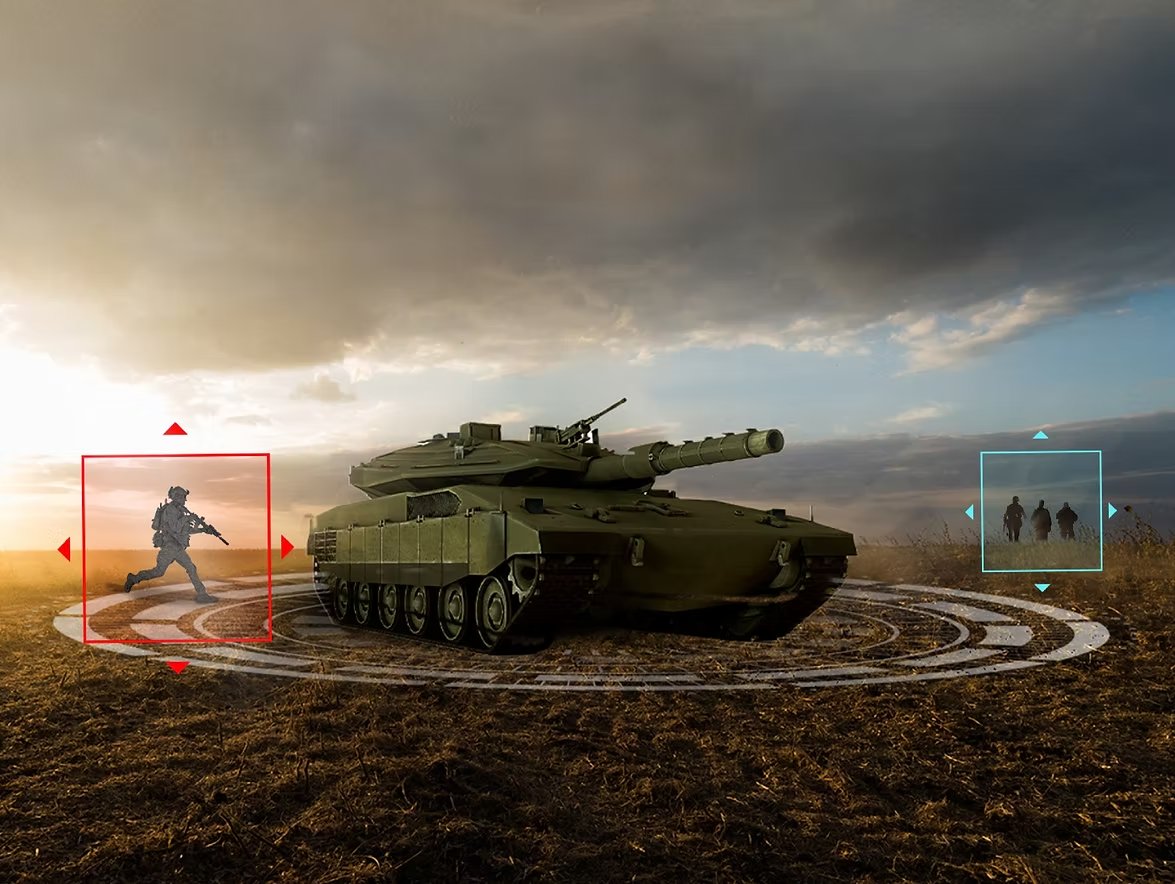
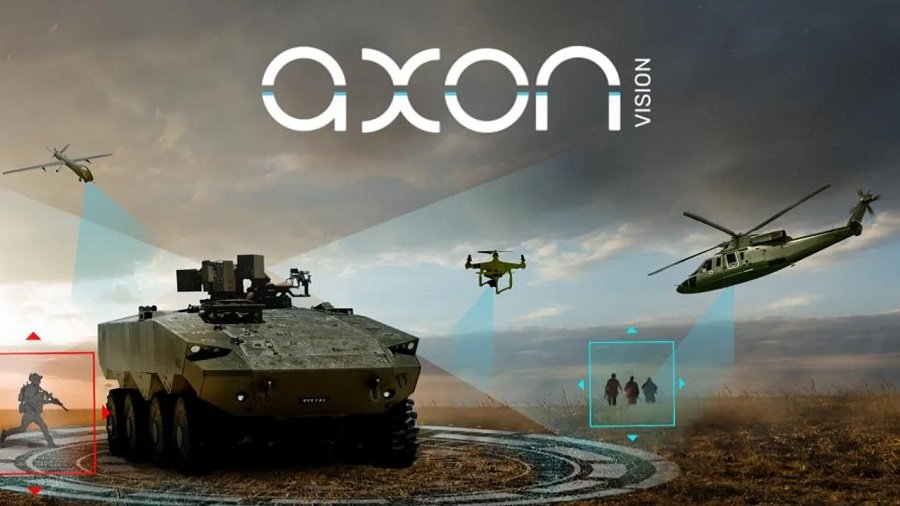
EDGE360 is a 360-degree situational-awareness system built by Axon Vision, an Israeli edge-AI specialist focused on computer vision for combat platforms. It is designed to be fitted to armored ground vehicles — tanks, infantry fighting vehicles, personnel carriers — and to give crews a continuous panoramic view of their surroundings alongside real-time automatic detection and classification of threats. The company positions it as a way for vehicles to fight closed-hatch without losing the awareness a commander traditionally gained from riding with head out of the turret.
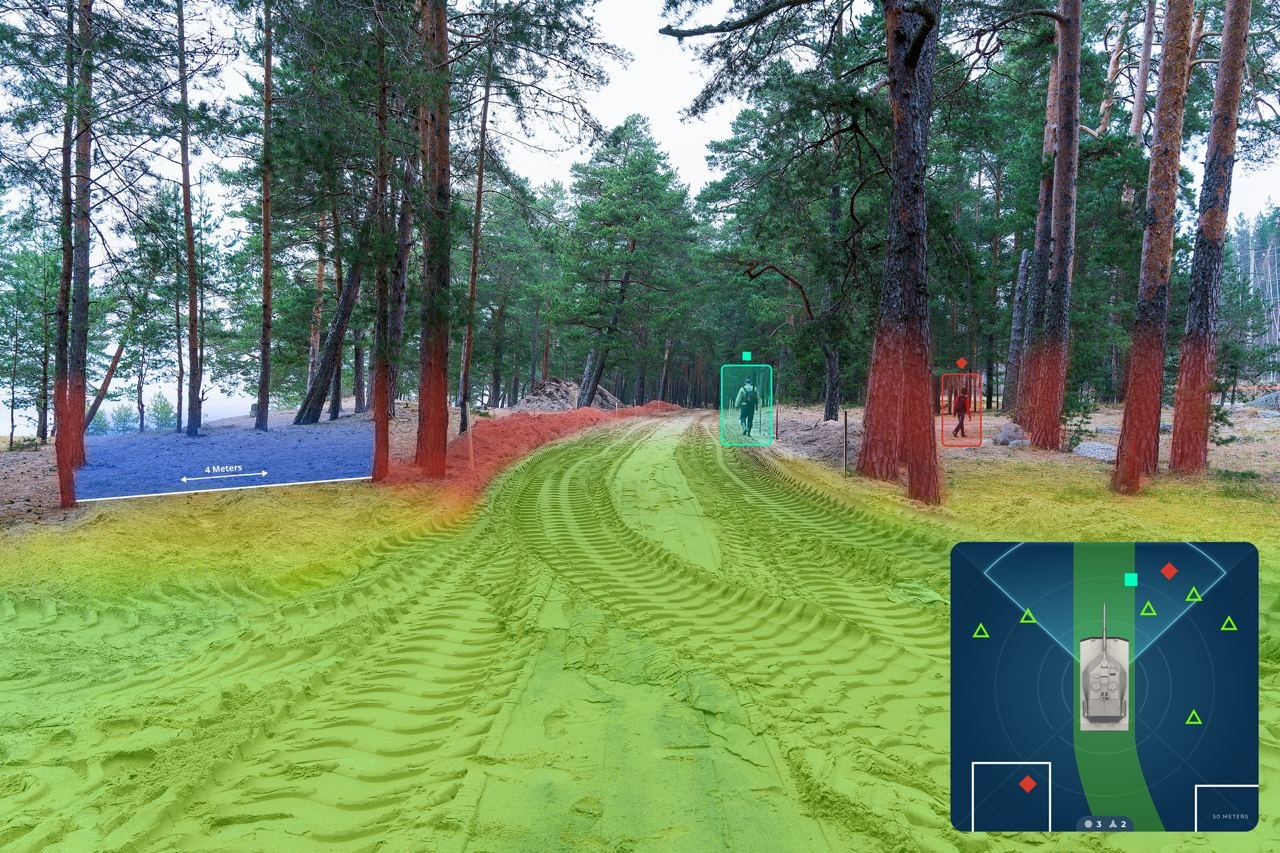
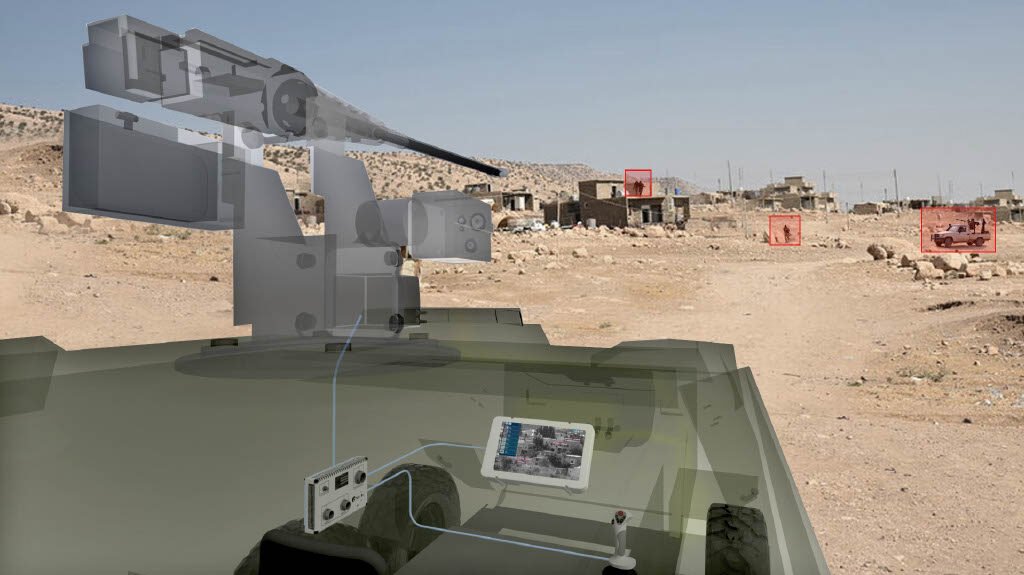
The system pairs a distributed array of day and thermal cameras mounted around the hull with an on-board GPU that runs Axon Vision’s perception models locally. Video from every camera is stitched into a single panoramic scene, and the embedded processor runs object detection and classification against it — flagging personnel, vehicles, drones and other threats to the crew and, where integrated, to a slaved remote weapon station. Because inference happens on the vehicle rather than being sent back over a link, the pipeline continues to work when the platform is jammed or off-network, which the company argues is the whole point of putting the compute at the edge. Axon Vision says the models are trained on a library of real-world battlefield footage, and that the hardware is qualified to MIL-STD environmental and shock requirements for armored-vehicle installation.
Israel is the identified operator, and the system has been developed alongside the Israel Defense Forces’ broader effort to fold AI into its ground fleet — work publicly associated with the IDF’s next-generation combat-vehicle programme and with upgrades to existing armored platforms. The company also markets EDGE360 as a retrofit for vehicles already in service, positioning it against situational-awareness and active-protection stacks offered by larger Israeli primes.
The software side has continued to move: Axon Vision has extended its detection classes to cover small uncrewed aircraft as loitering munitions and quadcopters have become a central concern for armored formations, and the same perception stack underpins the company’s air and maritime products. That points to the shape of the offering — less a fixed piece of hardware than a set of trained models that ride on top of whatever cameras and compute the platform already carries, updated as the threat picture changes.