Citadel
systemAdversary capabilityby Rostec
Photos: WarGonzo (Telegram) · Victory Drones (Telegram)
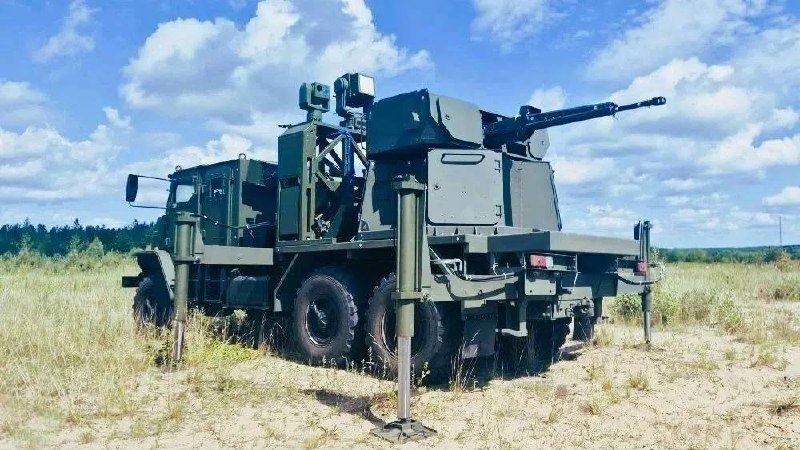
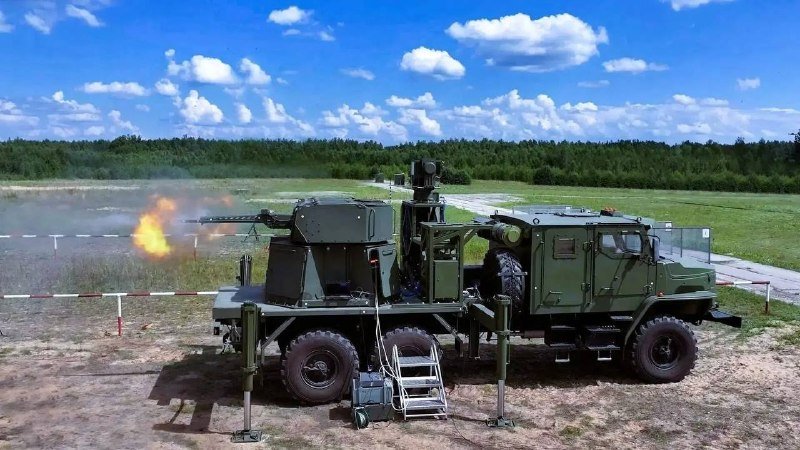
ZAK-30 “Citadel” is a Russian short-range anti-aircraft artillery system developed by Rostec, the state-owned defence corporation. It was built specifically to protect fixed infrastructure — oil refineries, ammunition depots, airfields and command nodes — from the growing volume of drone attacks Russia has absorbed since Ukraine escalated its long-range strike campaign. The stationary version was already in what Rostec describes as “trial combat operation” earlier in 2026, and in early November 2026 the manufacturer presented a mobile variant mounted on a truck chassis.
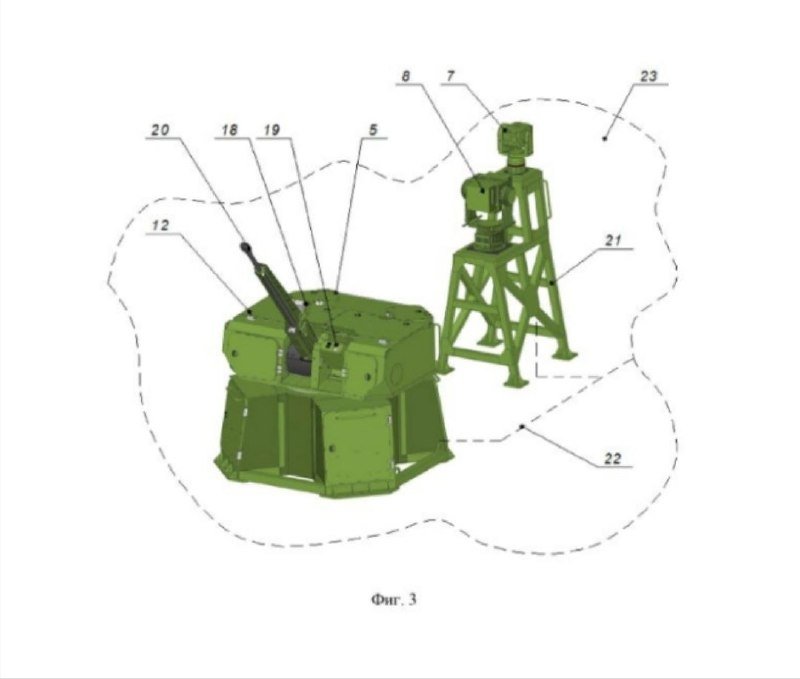
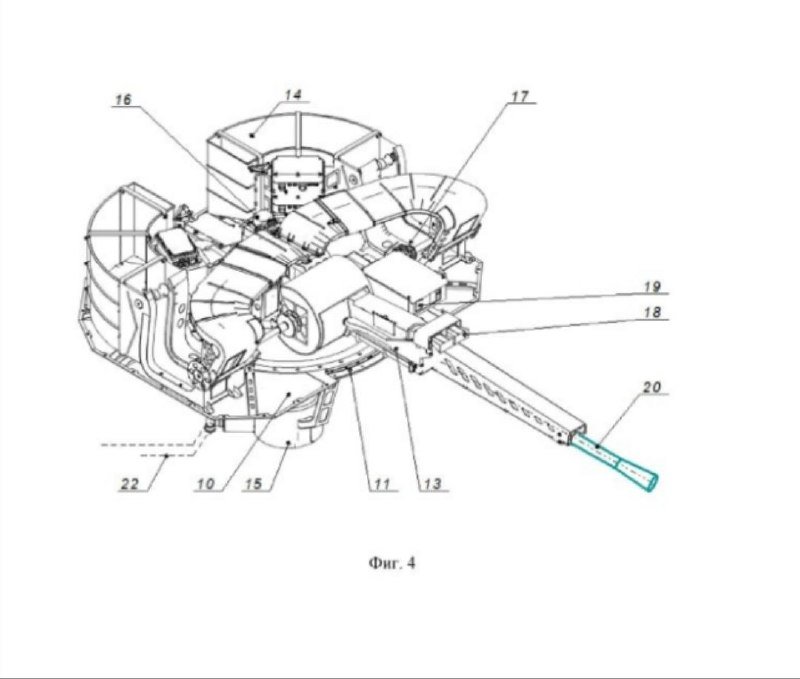
At the core of the system is the remotely operated BM-30-D “Spitsa” turret, developed by the Nizhny Novgorod research institute Burevestnik. The turret carries a single 2A42 30 mm autocannon — a weapon originally designed for the Typhoon armoured vehicle family but never put into serial production in that role. The gun fires programmable air-burst rounds that detonate at a computed point along the target’s flight path, scattering fragments across the drone’s trajectory. Rostec claims this approach makes small drones destroyable without a direct hit and reduces ammunition expenditure compared with conventional anti-aircraft guns. Detection and tracking are handled by an onboard radar paired with an electro-optical and infrared sensor suite. The manufacturer states that the module carries 300 rounds, that it can operate day and night, and that the fire-control chain — which Rostec describes as AI-based — reaches hit probabilities of up to 99 percent. That figure has not been independently verified.
Russian state media and Rostec cite engagement ranges of up to 1,000 metres against fixed-wing drones and 800 metres against smaller multicopters, with detection out to around 2 kilometres. The company positions Citadel against Germany’s Rheinmetall Skynex, which uses 35 mm AHEAD programmable rounds, arguing the Russian system is cheaper to field and faster to train crews on. Independent evidence for those cost and effectiveness claims is not yet available.
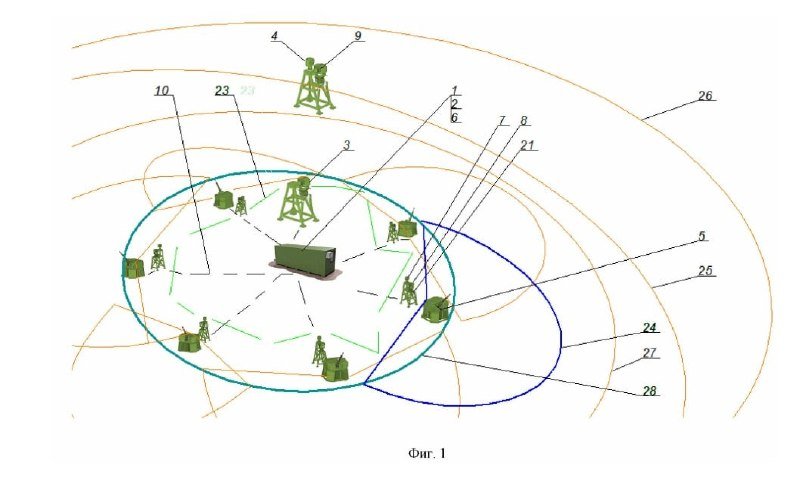
The November 2026 mobile variant places the turret, radar and optics on the Tornado-U heavy truck — referred to in one Rostec release as the “Motovoz-M” chassis — with a separate radar vehicle and a control post reportedly sited up to a kilometre from the firing modules. Russian milbloggers report that the stationary version has already been used to engage drones targeting Moscow, though those accounts come from Russian channels and the scale of deployment, serial production status and actual combat performance remain unconfirmed by independent sources. Ukrainian channels covering the system have described it neutrally as Russia’s domestic answer to Western short-range counter-drone artillery, with some reserving judgement until a verifiable combat record emerges.
Sources (15)
- en.wikipedia.org/wiki/ZAK-30_Citadel
- en.wikipedia.org/wiki/ZAK-30_Citadel
- Telegram channel, Russian side:t.me/wargonzo/38231
- Telegram channel, Russian side:t.me/voin_dv/21964
- Telegram channel, Russian side:t.me/Voenacher/98485
- Telegram channel:t.me/VictoryDrones/68622
- Telegram channel:t.me/tsaplienko/101564
- Telegram channel, Russian side:t.me/swodki/632504
- Telegram channel:t.me/Istoria_zbroi/10249
- Telegram channel, Russian side:t.me/boris_rozhin/232606
- /osint-hetzner/2026-11-09--ukrainian-drones-strike-kirishi-oil-refinery/
- /osint-hetzner/2026-11-06--rostec-presents-zak-30-mobile-anti-drone-system-with- …
- /osint-hetzner/2026-10-19--ukraine-uses-ai-guided-citadel-aa-system-against-fpvs …
- /osint-hetzner/2026-10-13--rostec-markets-citadel-aa-system-with-programmable-sh …
- Russian state or pro-Kremlin media:voennoedelo.com/en/posts/id21827-russia-s-krona-air-defense-system-a-shield-for- …