Cerebra
ROS 2-based autonomy operating system providing SLAM, sensor fusion, and obstacle avoidance for UAVs and UGVs.
Softwareby AvularIntroduced 2021
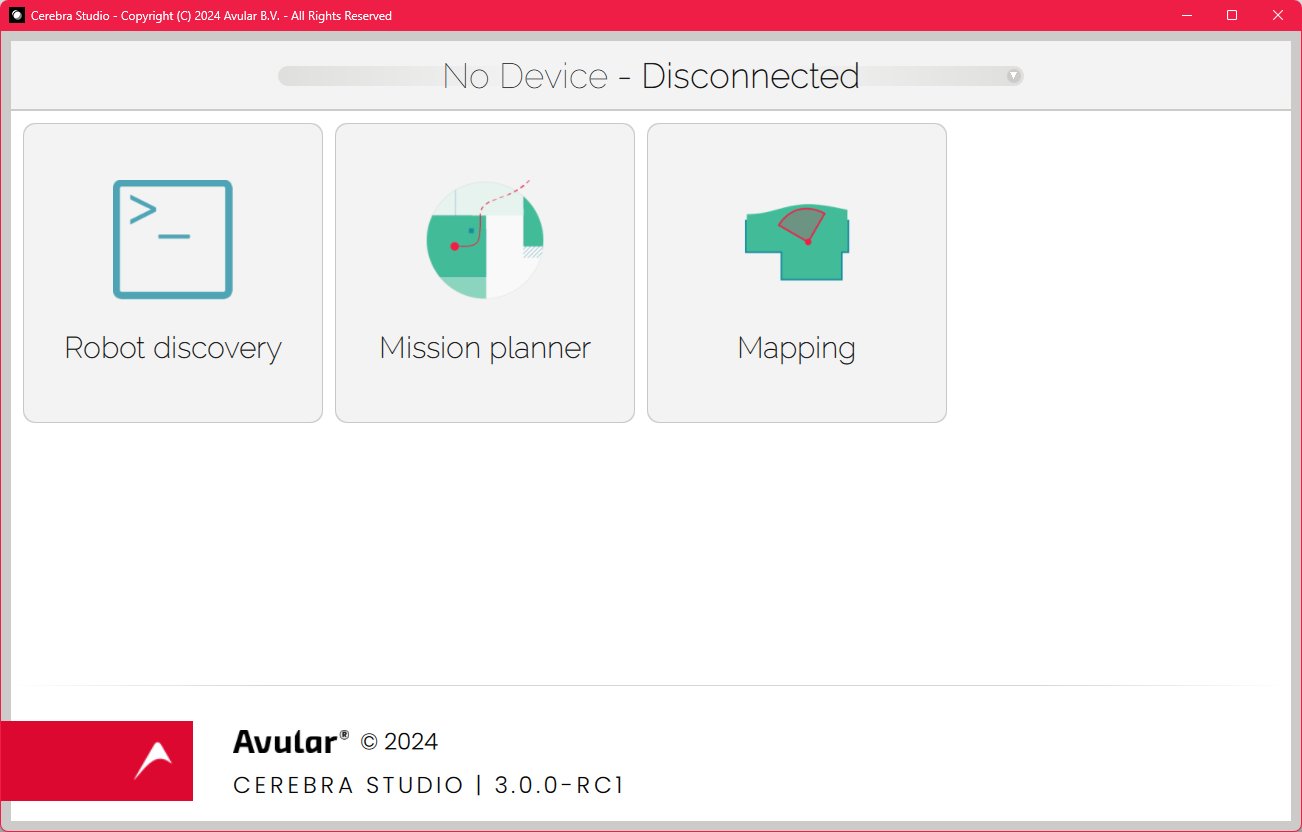
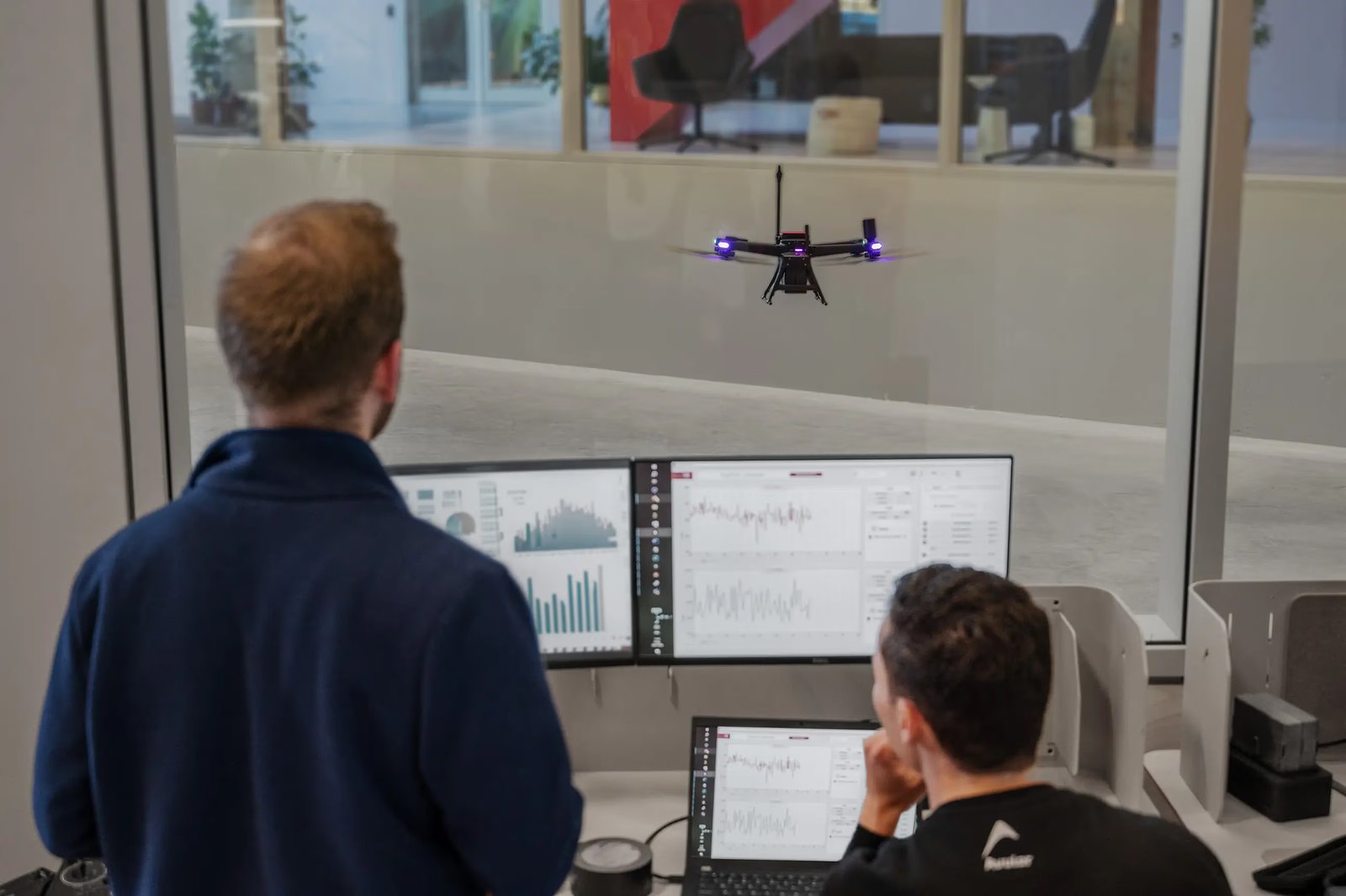
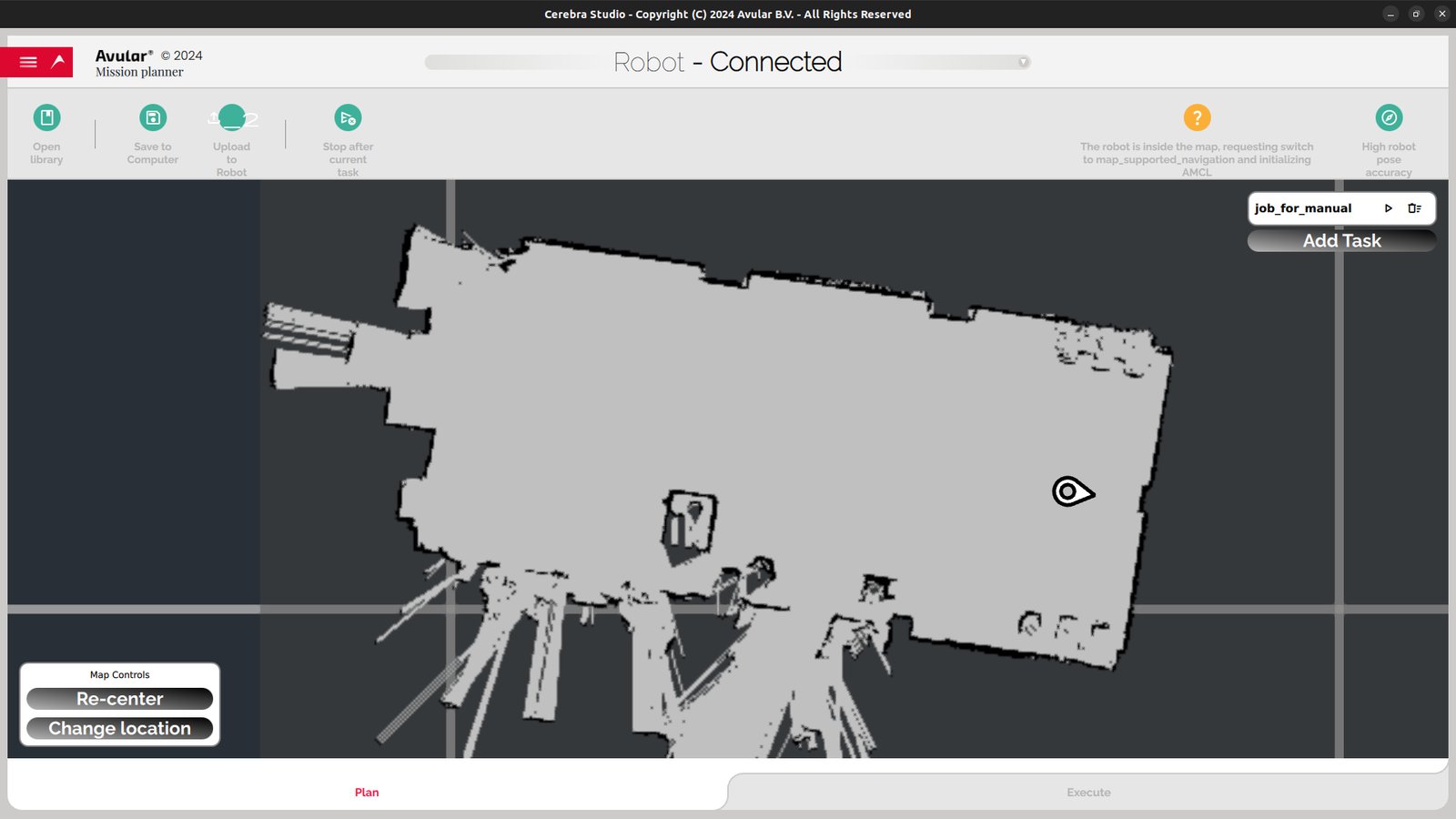
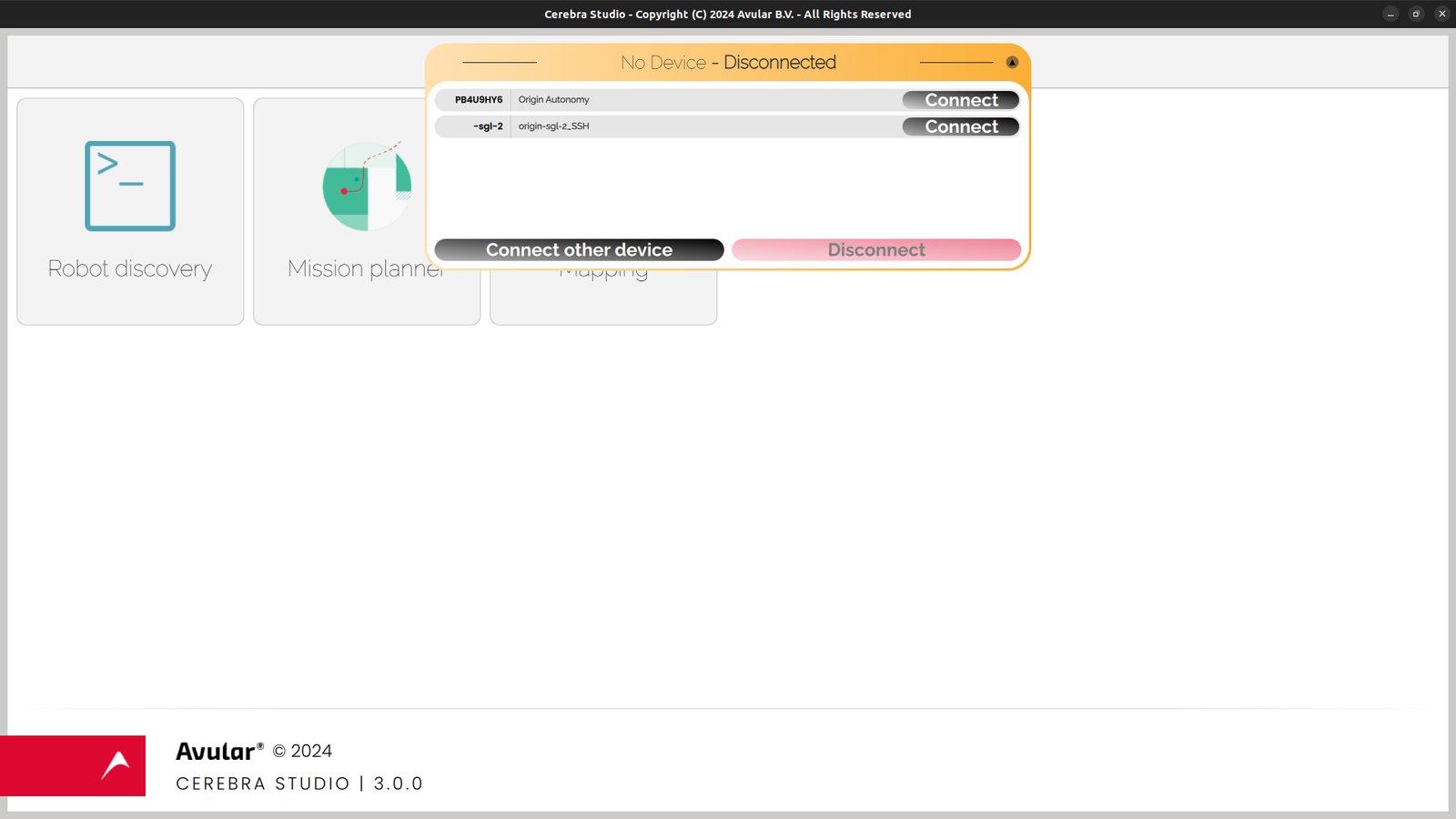
Photos: avular-robotics.github.io · www.avular.com
Cerebra is an autonomy operating system developed by the Dutch robotics firm Avular, introduced in 2021 to provide simultaneous localization and mapping (SLAM), sensor fusion, and obstacle avoidance for unmanned aerial and ground vehicles. Designed as a licensable software development kit (SDK), the system serves as the central nervous system for Avular’s modular hardware platforms, specifically the Origin One ground robot and the Vertex One drone. The software stack is built on ROS 2, allowing developers to integrate custom AI algorithms and mission logic while handling the complex low-level tasks of navigation and environmental perception.
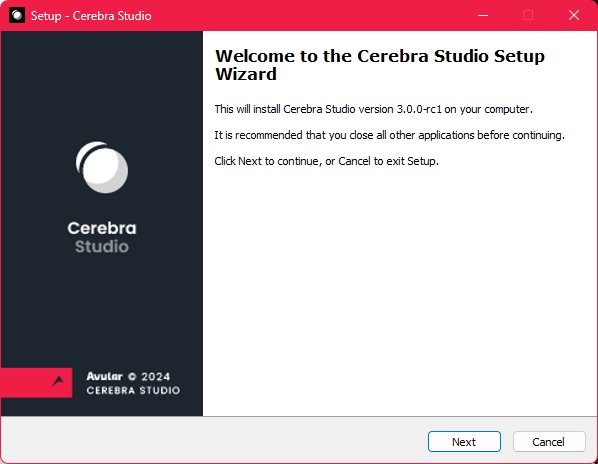
The technical architecture of Cerebra relies heavily on the embedded NVIDIA Jetson Orin NX computer, which provides the necessary computational power for real-time processing of sensor data. For the Origin One ground platform, the system utilizes LiDAR and visual-inertial odometry to enable autonomous navigation in both indoor and outdoor environments, managing localization and obstacle avoidance without human intervention. In the aerial domain, the Vertex One configuration pairs the Cerebra stack with GNSS and optional RealSense stereo cameras to achieve centimeter-level positioning accuracy via RTK corrections. The software supports mission planning through Cerebra Studio, a user-friendly interface that allows operators to schedule tasks, while also offering direct access to Simulink-based models for advanced users seeking to modify flight dynamics or ground behavior.
Deployment of the Cerebra software has been primarily focused on industrial inspection, agriculture, and academic research rather than direct combat operations. Avular’s platforms equipped with Cerebra have been adopted by entities such as ProRail and Syracuse for autonomous track and wagon inspections at Dutch classification yards, and by Deep Forestry for digital forest mapping. In the research sector, the system is utilized by institutions including Avans University of Applied Sciences and Helmut-Schmidt-Universität for studies on multi-robot communication and swarming applications. The software’s compatibility with open-source tools like Gazebo for simulation and RVIZ for data visualization facilitates rapid development and testing within these non-military contexts.
Avular positions the Cerebra system within the broader context of European industrial security, emphasizing that its design and production occur within the EU to mitigate risks associated with foreign technology. The company offers the software as part of a vertically integrated ecosystem that includes proprietary payload interfaces and SDKs in C++, enabling users to tailor the autonomy stack for specific defense or inspection trials. While the system is not currently reported as combat-tested in active conflict zones, its modular nature and reliance on standard open-source frameworks like ROS 2 make it a candidate for future defense applications requiring reliable, locally controlled autonomy.