Barracuda-500
systemby Anduril Industries
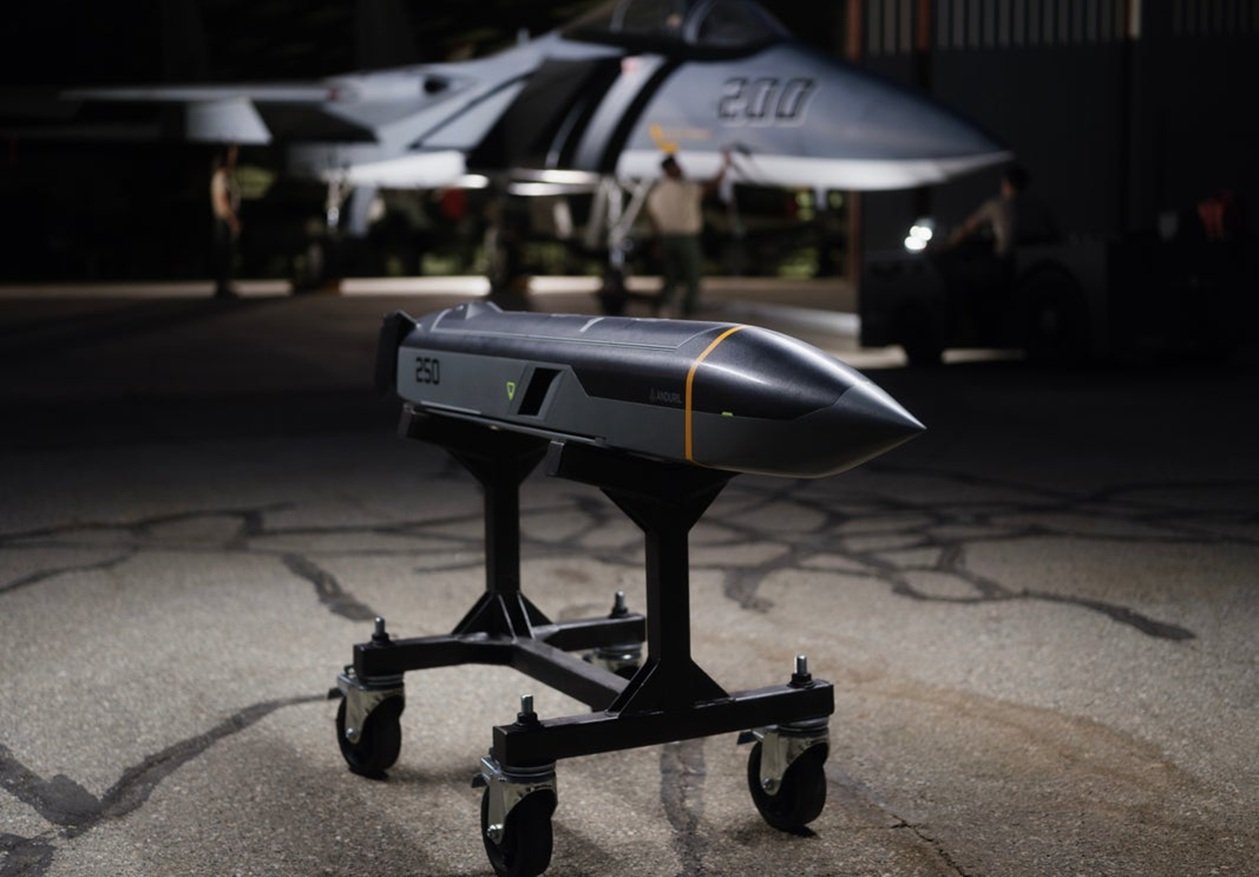
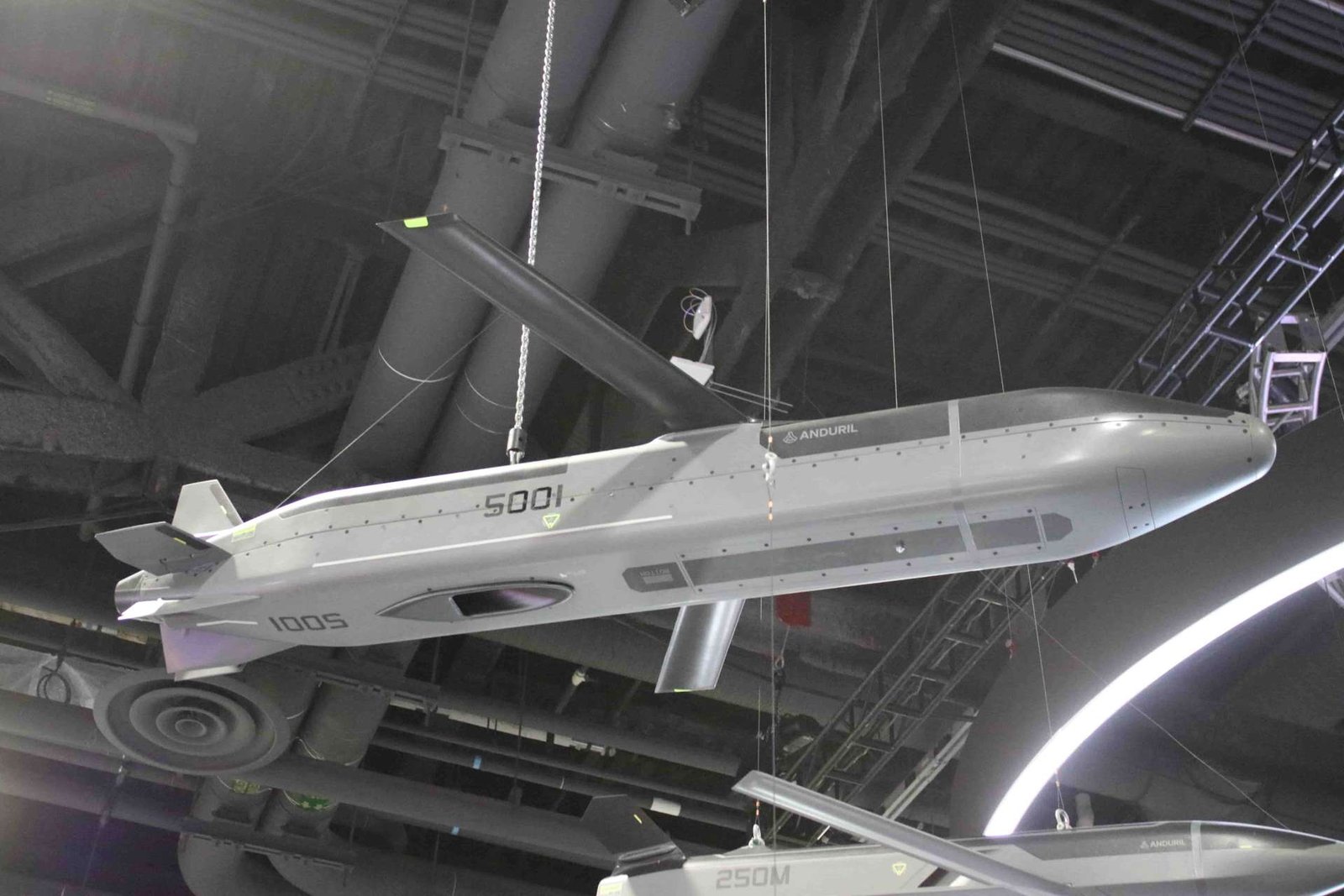
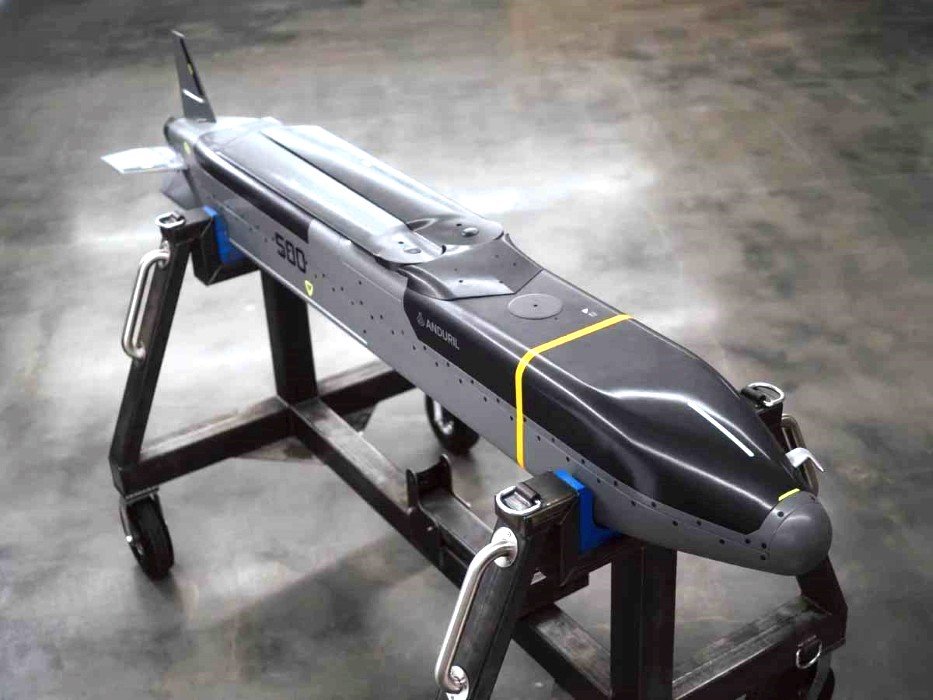
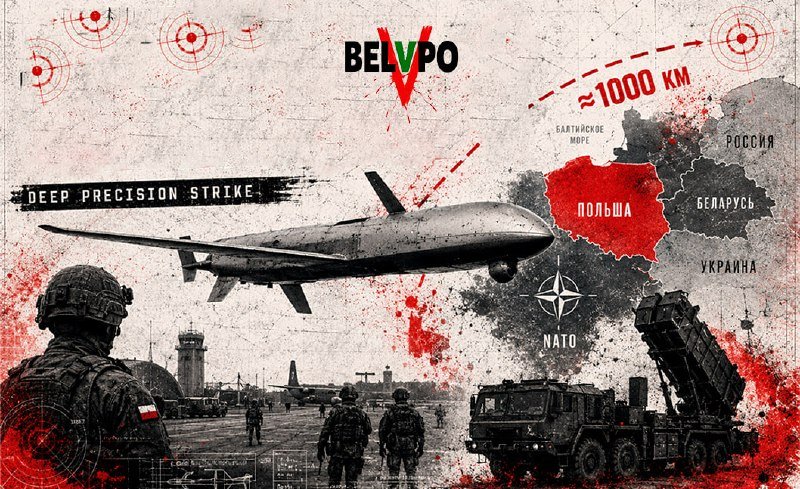
Photos: defence-blog.com · www.armyrecognition.com · www.valka.cz · Беспилотники (дроны, БПЛА, UAV) (Telegram) · www.armedconflicts.com
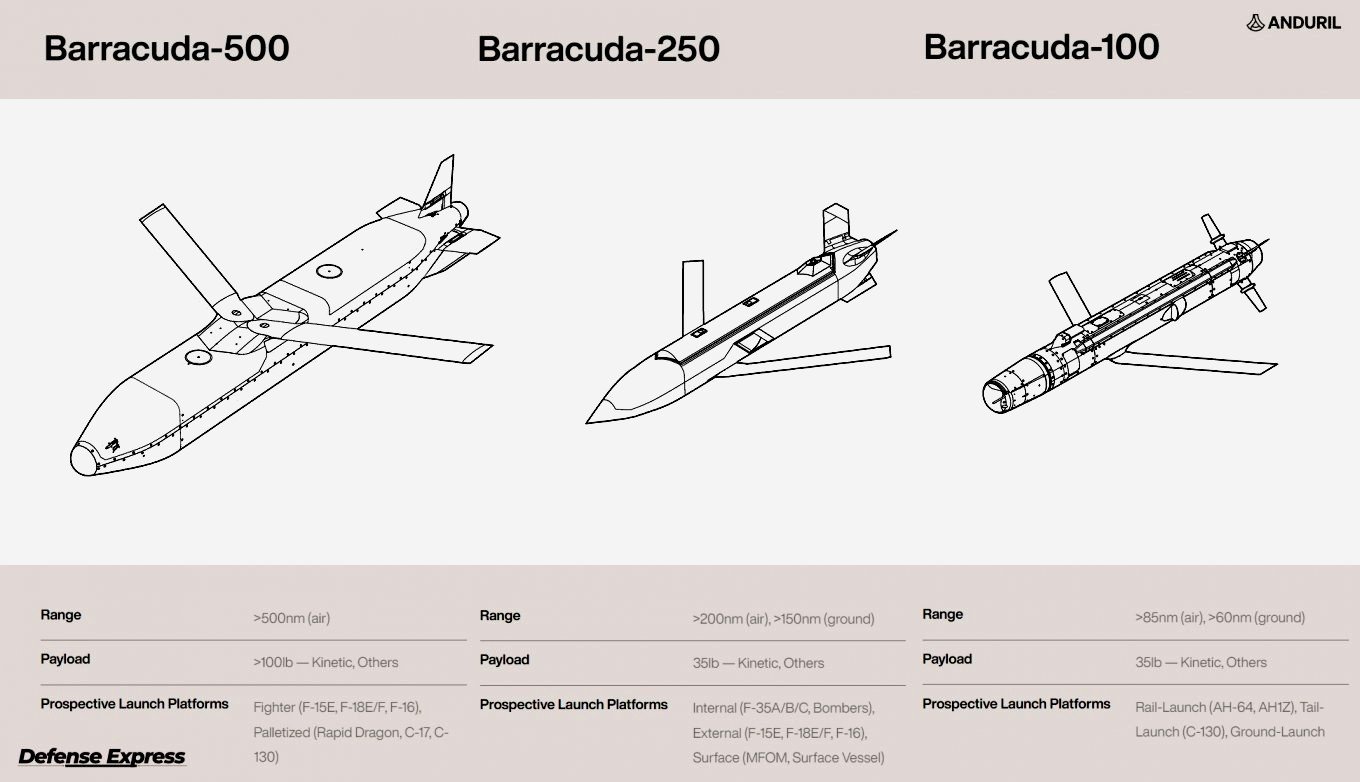
Anduril Industries unveiled the Barracuda-500 in September 2024 as the largest member of a three-tier family of what the company calls Autonomous Air Vehicles — in practical terms, a low-cost, mass-producible cruise missile. The system sits alongside the smaller Barracuda-100 and Barracuda-250, and it is aimed at the US Department of Defense’s push for “affordable mass”: inventories of standoff weapons deep enough to matter in a peer conflict, at a fraction of the per-round cost of legacy cruise missiles such as the Tomahawk or the JASSM.
The airframe is a turbojet-powered vehicle with folding wings, sized to fit standard air-launch packages including palletised deployment from cargo aircraft — the profile the US Air Force has been rehearsing under Rapid Dragon. Anduril states the Barracuda-500 is designed for roughly 500 nautical miles of range and a payload in the 100-pound class, with modular sections that can carry kinetic warheads, electronic-warfare packages, or sensors. The company emphasises the manufacturing story as much as the performance one: it says the design uses about 50 percent fewer parts than comparable weapons, roughly 95 percent commercial-off-the-shelf components, and can be built at rates far higher than a traditional missile line.
Autonomy runs on Lattice, Anduril’s software stack shared across the firm’s ground, air, and undersea systems. The Barracuda family is meant to fly cooperatively, share sensor data, and re-task in flight, though the company has released little public detail on how much of that is fielded versus roadmap. Onboard compute and sensors are described in general terms — commercially sourced processors, a mix of navigation aids for GPS-denied environments — rather than by named part, and independent teardown reporting has not yet caught up with the platform.
Anduril has not disclosed a Barracuda-500 customer by name, and no combat use has been reported. The company has said US government interest sits behind the programme, and the family has been referenced in discussions of the Pentagon’s Replicator initiative, which is funding attritable autonomous systems across domains. Production is tied to Arsenal-1, the large manufacturing facility Anduril is standing up in Ohio, which the company projects will build tens of thousands of autonomous systems per year across its product lines.
The Barracuda-500 competes conceptually with cheaper cruise-missile efforts on both sides of the Atlantic and with the growing field of one-way-attack drones proven in Ukraine. Its distinguishing bet is the manufacturing base rather than any single technical feature.