S8000 Banderol
Low-cost Russian jet-powered cruise missile launched from Orion drones, Mi-28N helicopters and ground launchers, built around a hobby turbojet.
Missile / loitering munitionAdversary capabilityby Kronstadt GroupIntroduced 2025 · Updated 2026
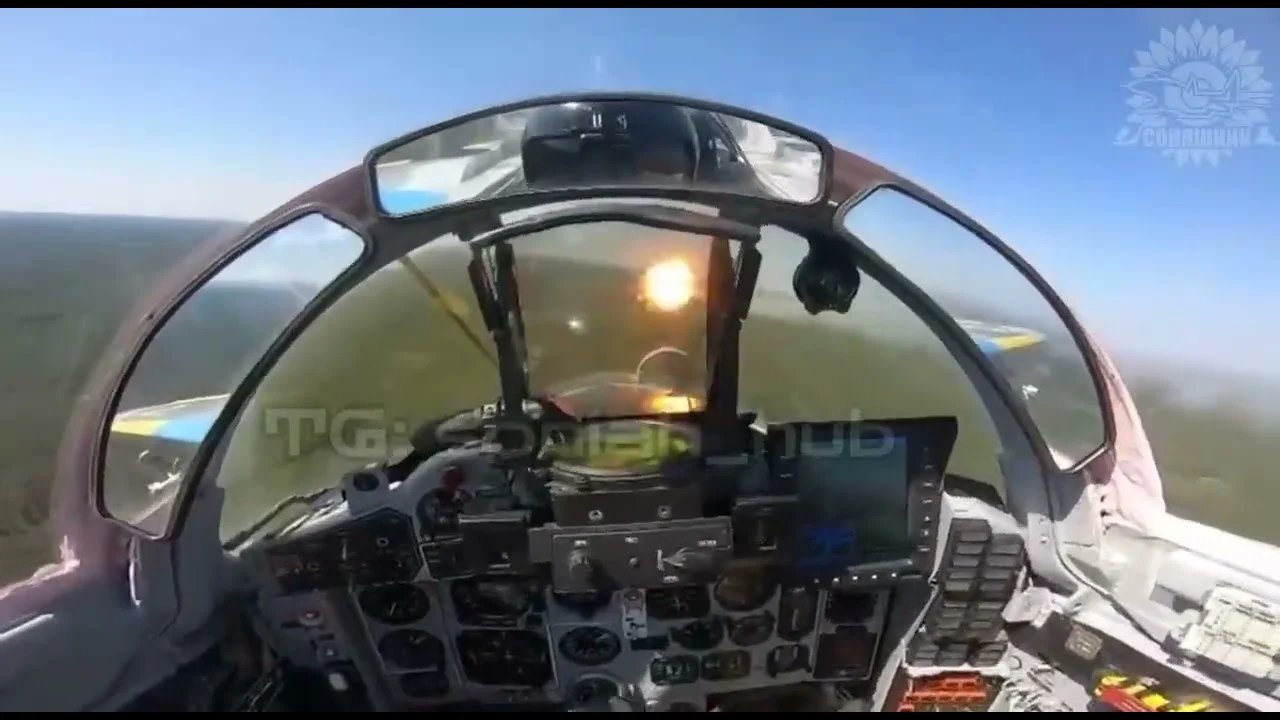 MiG-29MU1 R-60 launch against a Banderol
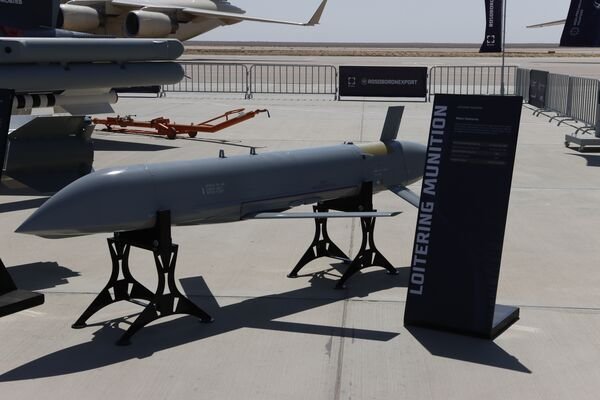 Dan-T / export Banderol on display at El Alamein 2026
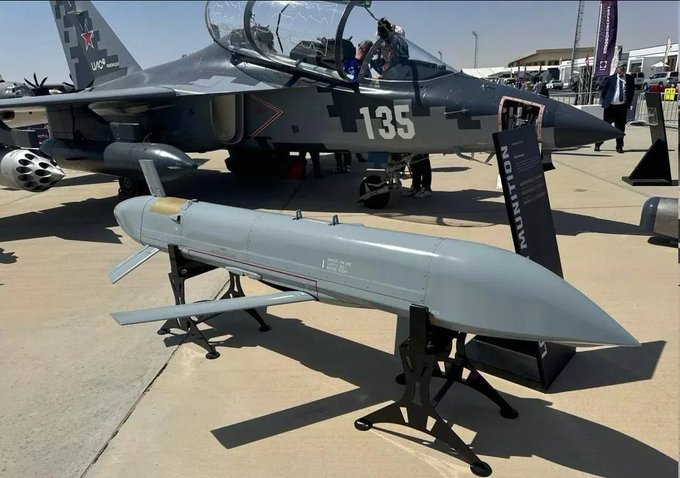 Banderol-type airframe (Dan-T) at El Alamein — external configuration
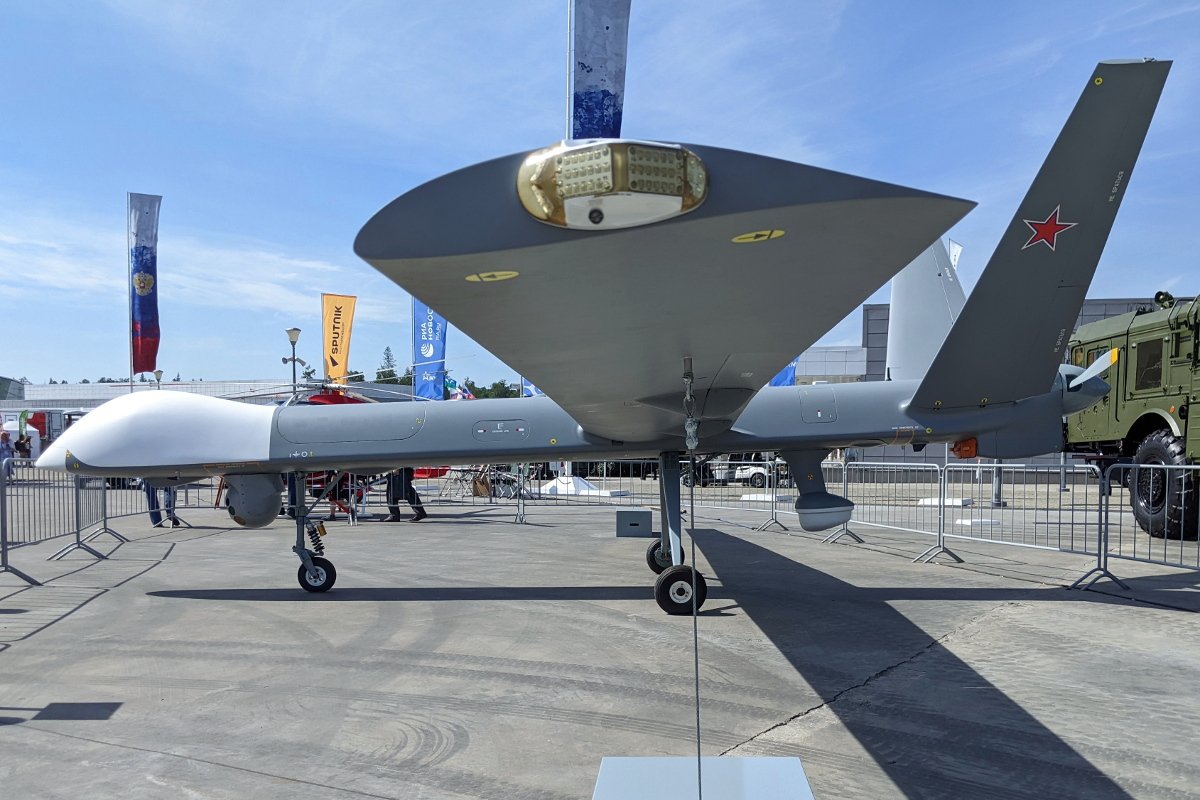 Orion UAV, Banderol's launch platform
Photos: Ukrainian Air Force-linked Telegram (Sonyashnyk) via MiGFlug · Janes · Defence Security Asia (via X) · Boevaya mashina / Wikimedia Commons
Videos


Overview
The S8000 Banderol (Бандероль, “parcel”) is a small Russian cruise missile made by Kronstadt, the company behind the Orion medium-altitude drone. Russia tested it in 2024, according to Ukraine’s Air Force spokesman Yuriy Ignat, quoted by Mezha, and began using it in combat in spring 2025. By 2026 it had become a regular part of attacks on southern Ukraine. The OSINT project Oko-Gora estimates that about 70% of launches target the Odesa region.
Design
Ukraine’s military intelligence (HUR) published its breakdown in May 2025: a warhead of up to 150 kg, a range of up to 500 km, a speed of about 500 km/h, and aviation kerosene for fuel. HUR also noted that it turns more tightly than conventional Russian cruise missiles while flying a typical cruise-missile profile. Later Ukrainian reporting gives a cruise altitude of 200 to 2,000 m and a speed of up to 600 km/h. Analysts estimate it at roughly 5 m long with a 2.2 m wingspan, as Defence Security Asia summarises.
Electronics and guidance
The Banderol is a hobby-grade aircraft with a military payload. HUR identified a Chinese Swiwin SW800Pro turbojet, sold online for model aircraft at about $16,000. It also found an RFD900x telemetry radio (Australian, or a Chinese copy), an inertial unit it believes is Chinese, Murata batteries from Japan, and Robotis Dynamixel MX-64AR servos from South Korea. Navigation uses a Russian Kometa-M8 anti-jam satellite antenna from VNIIR-Progress, the same family used on Geran drones and UMPK glide-bomb kits. About two dozen microchips came from US, Chinese, Swiss, Japanese and South Korean manufacturers, most of them through the Russian distributor Chip and Dip. Euronews reports that guidance combines satellite navigation with an autonomous inertial system, so jamming alone does not stop it. No terminal seeker has been publicly identified.
Warheads
HUR gives the warhead as up to 150 kg. Later Ukrainian reporting describes a 114 kg high-explosive fragmentation warhead with up to 50 kg of explosive. That is about a quarter of the 400–500 kg carried by a Kh-101 or Iskander-K.
Variants
The original carrier is the Orion drone. A Russian drone-industry channel posted an Orion carrying the missile in July 2026. HUR reported adaptation for the Mi-28N attack helicopter in 2025, and by 2026 helicopters flying from occupied Crimea had become the most common launchers. A ground launcher followed, trading range for not needing an aircraft in the air beforehand. In September 2026 Russia showed the Dan-T at the El Alamein airshow in Egypt, and Janes judged it externally almost identical and likely an export Banderol. Russian milbloggers insist the two are different missiles.
Combat use
After its debut in spring 2025, launches stopped in the autumn and resumed in May 2026. They have since been recorded across Ukraine except the west. Russian channels showed what they called the first footage in flight over Poltava region in July 2026 and impacts in Odesa port. On 9 August 2026 eleven Banderols were fired at Odesa together with Kh-59 missiles. Most were shot down. Vladyslav Vlasiuk, Ukraine’s presidential envoy for sanctions policy, said Banderols are involved in about 80% of attacks on Odesa’s infrastructure. HUR estimated production at about 80 a month in 2026. Kronstadt’s Dubna plant was hit by Ukrainian drones in 2025.
Countering it
The Banderol’s appeal is its cost. Ukrainian estimates of $50,000–150,000 put it near a Shahed, yet it is too fast for the cheap interceptor drones Ukraine uses against Shaheds. It therefore draws on surface-to-air missiles, MANPADS and fighters. A Ukrainian MiG-29MU1 was filmed bringing one down with a Soviet-era R-60 missile in September 2026. Ukrainian officials and analysts point to cheap interceptor missiles in development, layered radar for early warning, strikes on the factory, and pressure on its Chinese and Western supply chain.
Combat experience
Effectiveness
Warhead upgrades
| Warhead | Type | Mass | Since | Notes |
|---|---|---|---|---|
| Banderol warhead | high-explosive fragmentation | up to 150 kg (HUR); 114 kg with up to 50 kg explosive (later Ukrainian reporting) | 2025 | Far smaller than the 400-500 kg warheads of Kh-101 or Iskander-K source |
Variants
- Orion-launched S80002025
Original configuration carried by Kronstadt's Orion UAV source
- Mi-28N helicopter integration2025
Adaptation for Mi-28N reported by HUR in May 2025; by 2026 helicopters, often from Crimea, were the most common launchers source
- Ground-launched version2026
Ground launcher allowing launch without an airborne carrier, at reduced range source
- Dan-T (possible export version)2026
Janes assessed the Dan-T shown at El Alamein 2026 as externally almost identical and likely an export version source
Countering it
As reported publicly; each line links its source.
- Surface-to-air missiles and MANPADS — Its speed puts it beyond cheap interceptor drones; Ukrainian reporting says it needs SAMs, MANPADS or fighters source
- Fighter interception — A Ukrainian MiG-29MU1 was filmed downing a Banderol with a Soviet-era R-60 missile (published 2 September 2026) source
- Low-cost interceptor missiles — Ukraine is developing cheap interceptor missiles; Estonia's Mark I is in testing; layered radar for early detection seen as critical source
- Strikes on production and sanctions — Kronstadt's Dubna plant was hit in 2025; production depends on Chinese and Western components source
Sources
- oboronka.mezha.ua/en/gur-detali-krilatoji-raketi-banderol-301856/
- oboronka.mezha.ua/en/banderol-shcho-vidomo-pro-raketu-yakoyu-rosiyani-koshmaryat-odesu-314202/
- www.euronews.com/2026/08/20/banderol-russias-new-low-cost-weapon-testing-ukraines-air-defences
- migflug.com/afterburner/mig-29-r-60-banderol-intercept-low-altitude-2026/
- www.janes.com/defence-intelligence-insights/defence-news/weapons/el-alamein-2026-russia-unveils-air-launched-export-banderol
- defencesecurityasia.com/en/russia-dan-t-450km-jet-strike-drone-air-defences/
- global.espreso.tv/explosions-came-from-inside-russian-kronstadt-factory-rocked-by-strike-defense-express
- censor.net/en/news/4021162/massive-attack-on-1-september-air-defence-forces-shot-down-199-targets-there-were-hits-and-dead
- t.me/milinfolive/175385
- t.me/UAVDEV/12213
- t.me/milinfolive/176545