B1
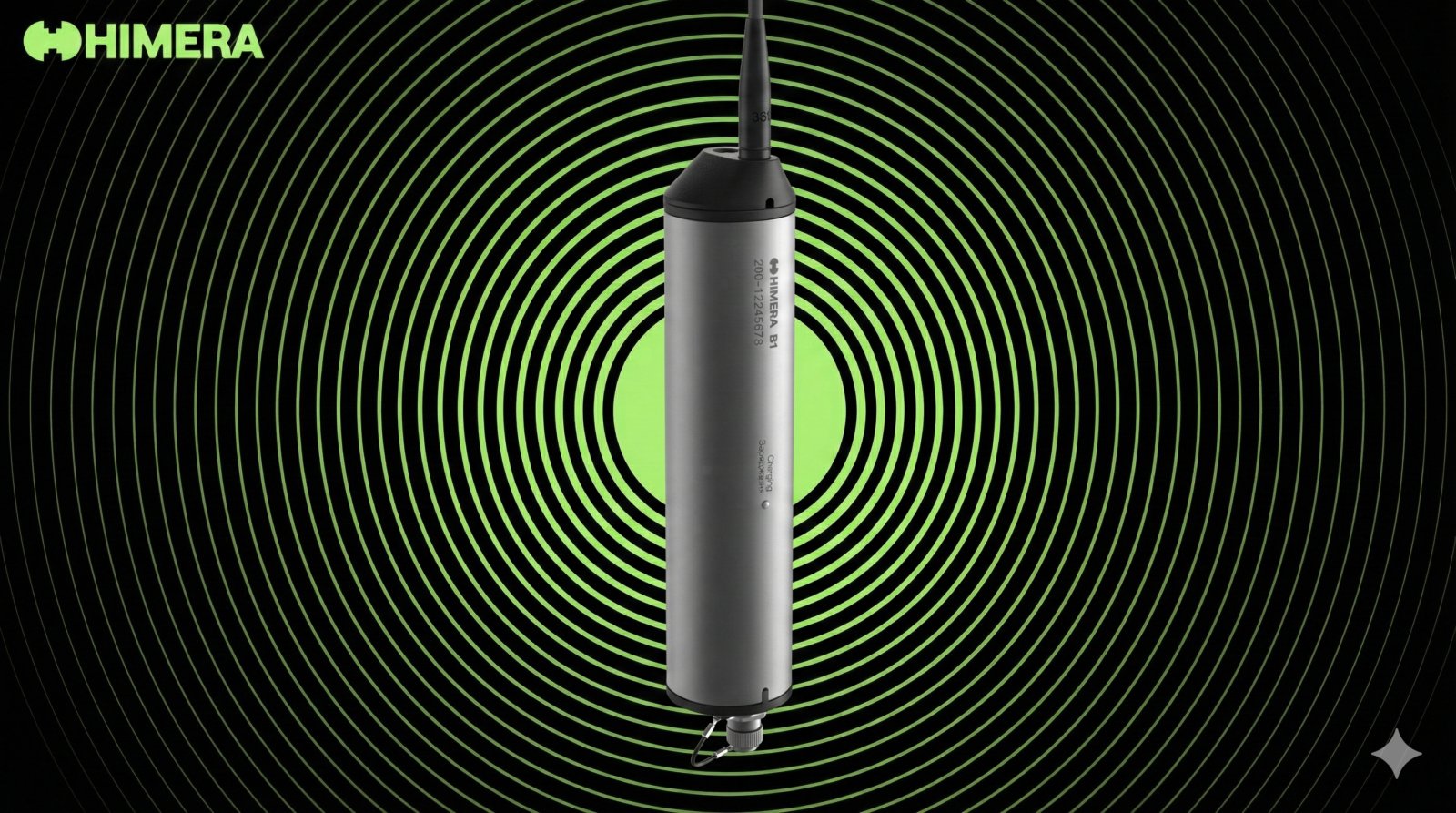
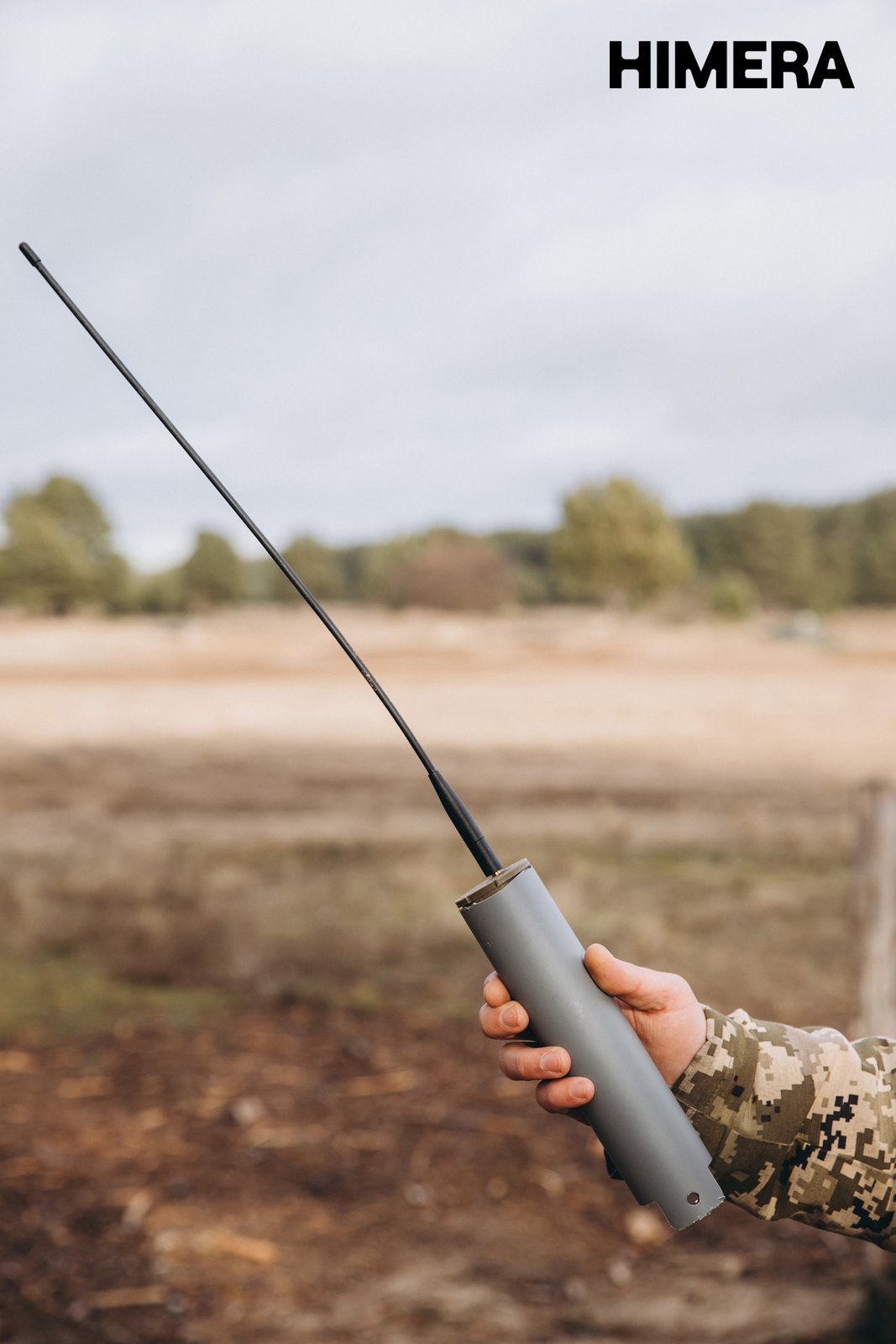
Autonomous field repeater that extends FHSS mesh networks for up to 14 days without human intervention.
Hardwareby HIMERAIntroduced 2023
Photos: focus.ua · techukraine.org · Arkland · en.defence-ua.com
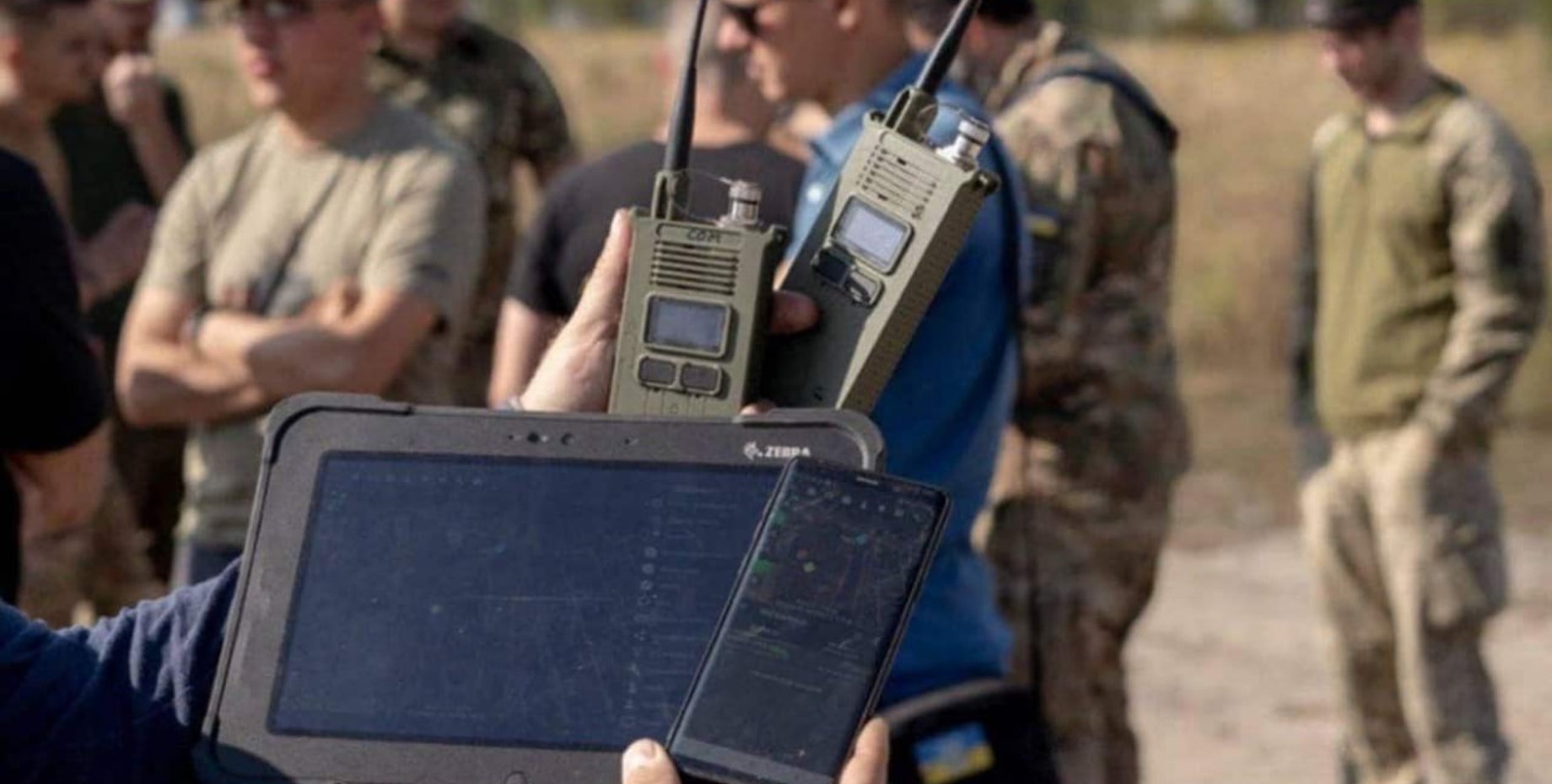
The B1 is an autonomous field repeater built by HIMERA, a Kyiv-based tactical-radio maker founded in 2022 by a co-founder who had served in the territorial defence of Kyiv Oblast and encountered a shortage of battlefield communications that could survive Russian electronic warfare. The repeater extends the range and resilience of HIMERA’s wider ecosystem — its G1 Pro handheld and R1 IP repeater — by acting as a standalone mesh node that can be dropped into terrain and left behind. According to the company’s own account, it was brought to market in 2025 and now sits alongside the handheld as the second pillar of a system that has been fielded with Ukrainian units and exported to the United States.
Technically the B1 is a frequency-hopping spread-spectrum node that supports mesh and MANET topologies, so a scattered constellation of repeaters forms a self-healing network rather than depending on a central mast. HIMERA states that the device is configured through a secured Android application, carries voice, GPS coordinates and text traffic, and runs unattended for up to 14 days in the field — the operating window that defines its tactical role, since units can seed terrain with repeaters and recover them later rather than babysitting an active relay. The company groups it with the rest of its product line under the same low-probability-of-intercept and anti-jamming features: pseudorandom frequency hopping, encryption, and integration with blue-force-tracking overlays on offline maps.
Deployment is still concentrated in Ukraine, with no public figures on the number of units in the field. The B1’s combat exposure is the strongest piece of evidence for how it is being used: HIMERA reported in September 2026 that one repeater survived ten rounds of shelling and a building collapse and continued to transmit, a claim framed by the company itself rather than independently verified. The product entered the US market a year earlier via the same channel HIMERA has used for the G1 Pro, and reconnaissance units in Ukraine have given public interviews describing the ecosystem in use, though specific tactics are not detailed.
The B1 fills a narrower niche than the handheld radio it extends. In an environment where the dominant threat to small-unit communications is Russian jamming, hop rates, mesh topology and leave-behind endurance matter more than raw range, and HIMERA has designed the repeater around those three constraints rather than attempting to compete with heavier military relay stations. It sits in the same emerging category as other battlefield mesh nodes being iterated by Ukrainian defence startups under live-fire conditions.