ACULAB
Acoustic vector sensor array for real-time gunshot localisation and sniper detection on dismounted and vehicle-mounted platforms.
Hardwareby Microflown AVISAIntroduced 2010
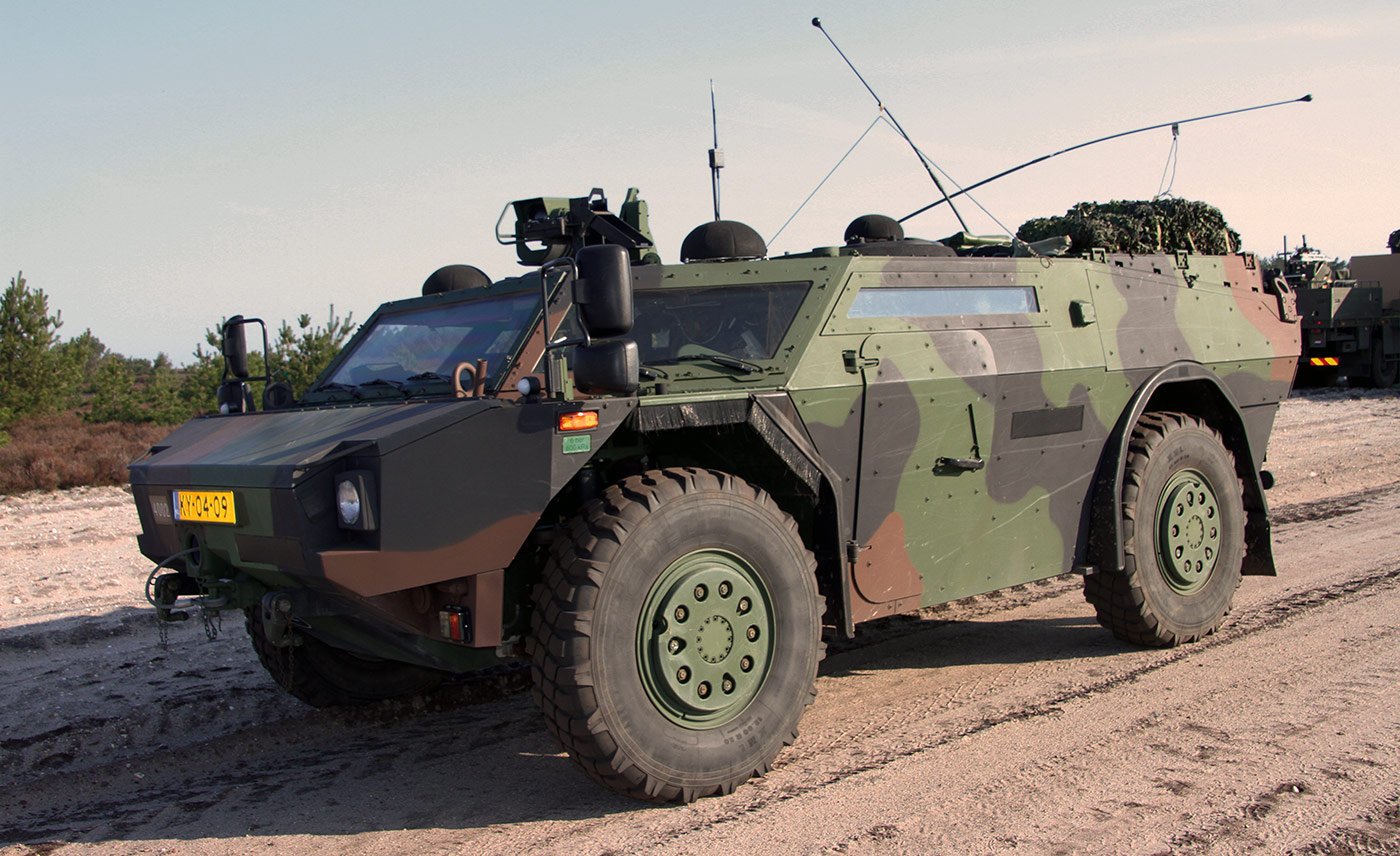

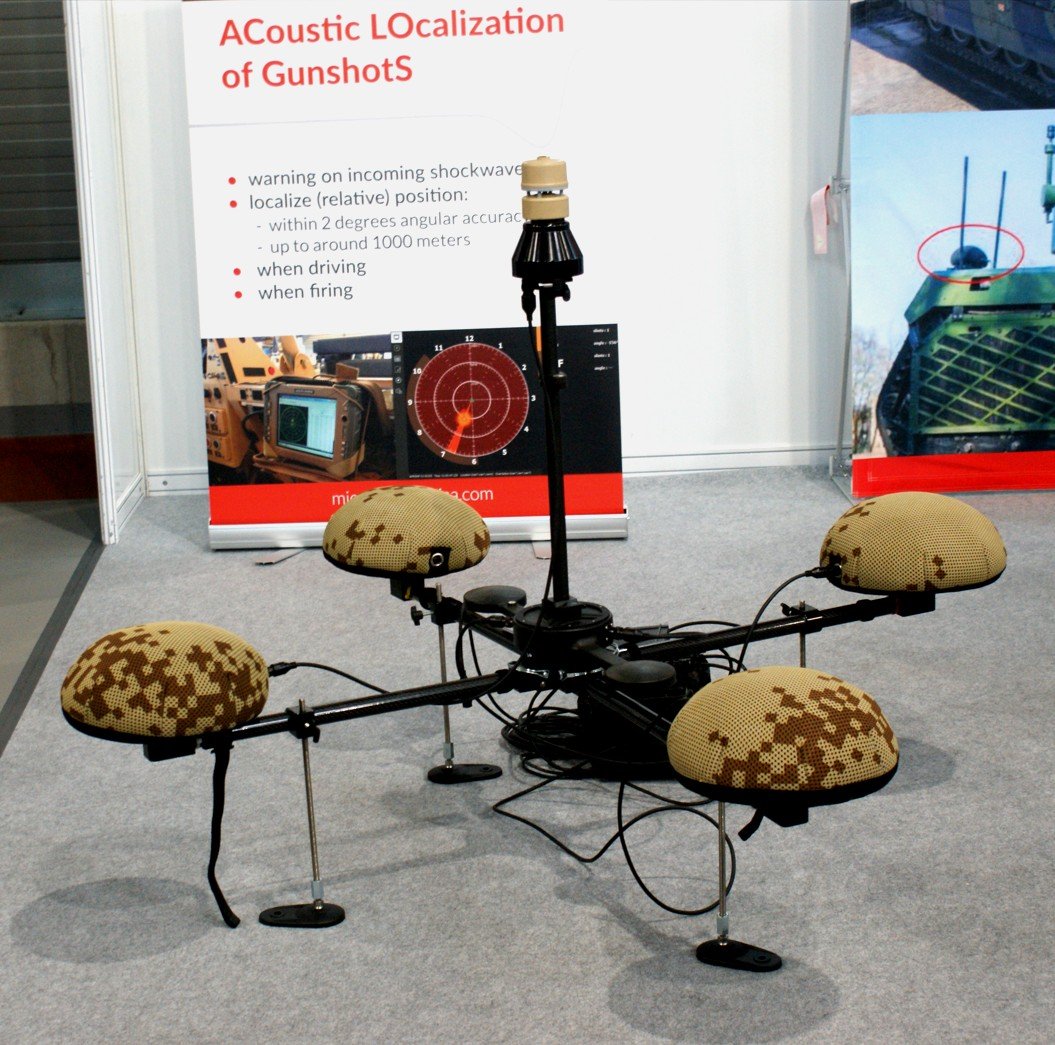
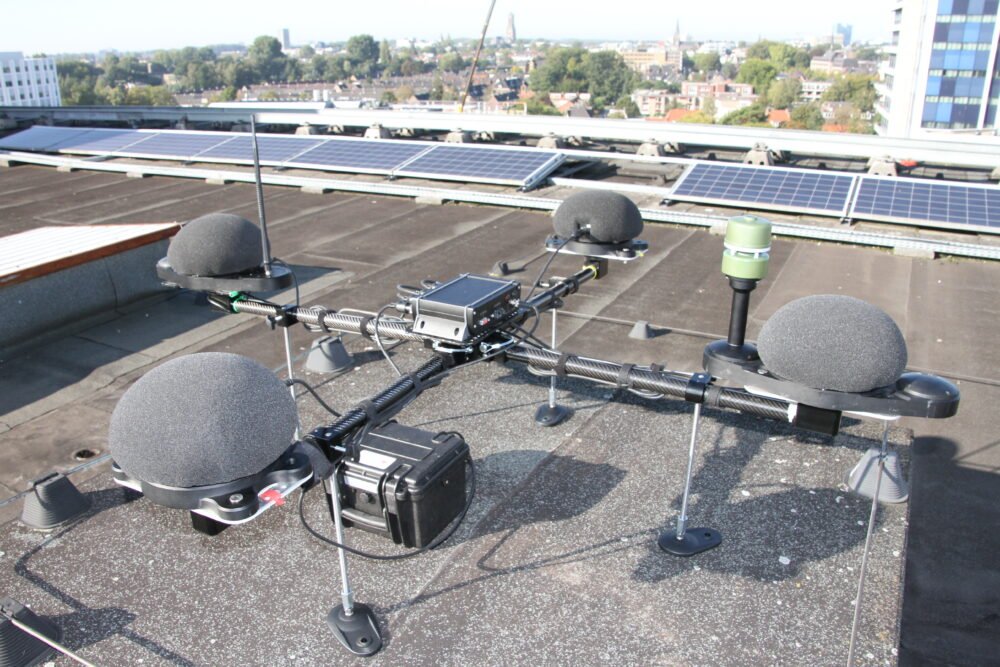
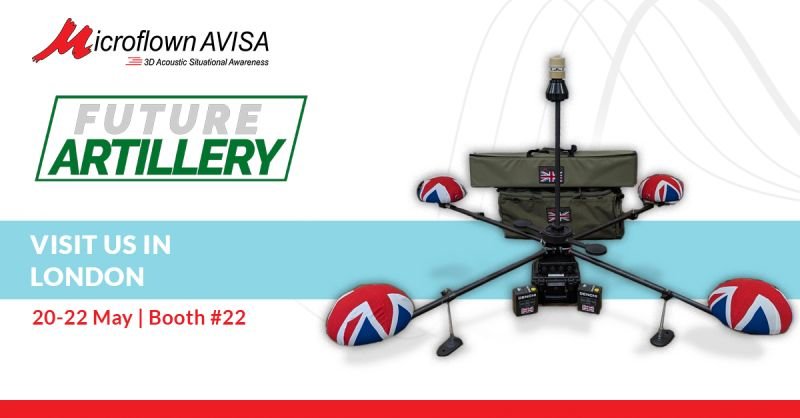
Photos: www.soldiermod.com · Microflown AVISA · www.valka.cz · www.microflown-avisa.com · www.linkedin.com
ACULAB is an acoustic gunshot-detection and shooter-localisation system developed by Microflown AVISA, a Dutch firm based in Arnhem. Introduced around 2010, it belongs to a family of products built around the company’s acoustic vector sensor — a MEMS device that measures the direction of a sound wave from a single point rather than triangulating between multiple microphones. The system is aimed at counter-sniper work for dismounted infantry and light vehicles, and Microflown states it has been adopted by NATO ground forces including the Netherlands, the United Kingdom and the United States.
The distinguishing element is the sensor itself. A conventional gunshot locator needs several microphones spaced meaningfully apart, because each microphone records only sound pressure at a point and the shooter’s bearing is inferred from arrival-time differences. Microflown’s approach instead detects the particle velocity of air along three orthogonal axes, so a single miniature transducer recovers azimuth and elevation directly. The company’s technical literature describes this as an “acoustic vector sensor” built from two closely spaced heated wires whose differential cooling by air movement encodes both the speed and the direction of flow. ACULAB packages one or more of these sensors into a helmet, shoulder or vehicle mount and pairs them with signal-processing electronics that separate the supersonic shockwave of a passing bullet from the muzzle blast. The manufacturer says the system returns a bearing solution within seconds and continues to work in urban environments where reflections would confuse a pressure-only array.
In service, the practical draw is size and weight. Existing pressure-microphone systems such as QinetiQ’s SWATS or BBN Technologies’ Boomerang need enough physical baseline between microphones to resolve direction; a vector-sensor unit can be an order of magnitude smaller and mounted on a soldier without any external footprint on a vehicle roof. That has made Microflown a repeat supplier to European ground-forces trials of soldier-worn gunshot detection, and the company has publicised evaluation programmes with the Dutch and British armies. Independent verification of hit rates and false-alarm behaviour under field conditions is scarce, as is typical for this category — most of the performance figures in circulation come from the manufacturer’s own datasheets.
Microflown has extended the same sensor family into adjacent roles, notably small-UAV detection under its Scentinel line and artillery-and-mortar localisation, but ACULAB remains the dedicated counter-sniper product. Its main competitors are the American gunshot-detection systems fielded during the Iraq and Afghanistan campaigns; the differentiator Microflown continues to press is the compactness of the underlying transducer rather than any claim of superior detection performance.