OSINT
What the open-source channels are saying about drones, robots and AI in the war — capabilities, new tactics, notable strikes, and how the mood is shifting. English summaries, with a link to every source.
The AfD leak: research findings · latest edition 3 November 2026
Russian milblogger trend watchupdated · 70 postsRussian milbloggers are fixated on a widening mass-production gap in cheap drones and missiles, with Russia still ahead of a fumbling Pentagon but openly worried about Chinese scale and a possible American leap on the next technology step. The mood is pride in current Geran/FPV tempo, grievance at Starlink-enabled Ukrainian strikes, and anxiety that Ukraine's cheap-mass bet may have won this round while Russia missed the autonomy curve.
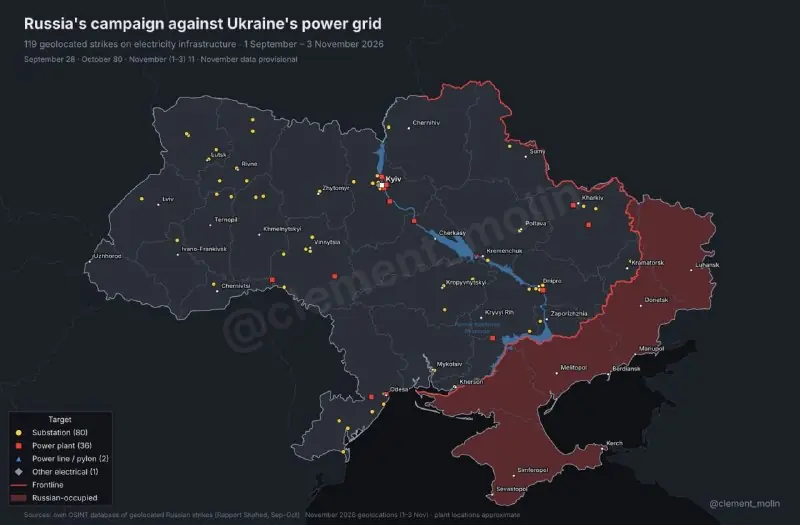
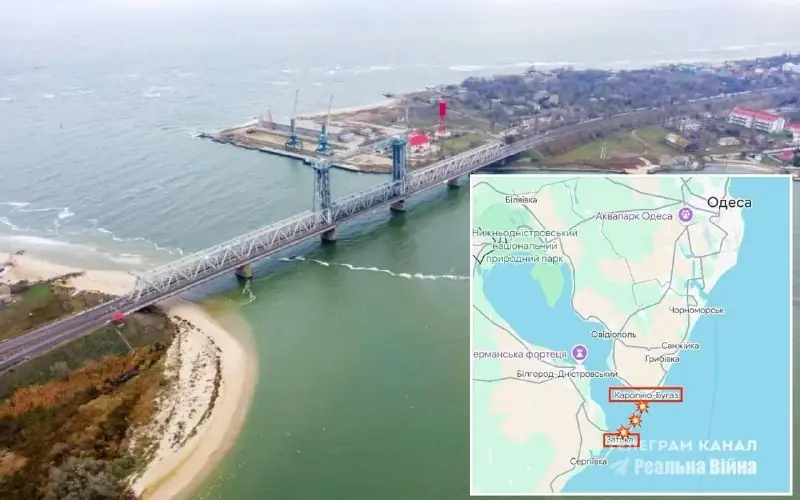
Loud right nowA sustained strike campaign on Ukrainian energy and bridge logistics — Geran/Dan-T/Bandarol salvos plus UMPK-guided FAB-3000s and Kh-101 — dominates the channels, with the Zatoka bridge over the Dniester liman hit by ~18 munitions in half an hour as the centrepiece.
Expand analysis →
Collapse ↑
What Russian milbloggers are saying — their claims and mood, not confirmed fact.
Autonomy & AI at the edge
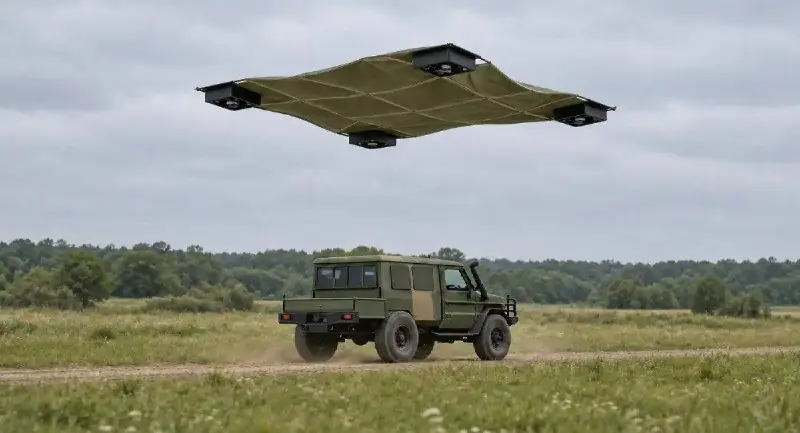
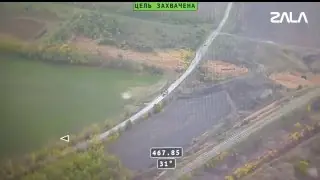
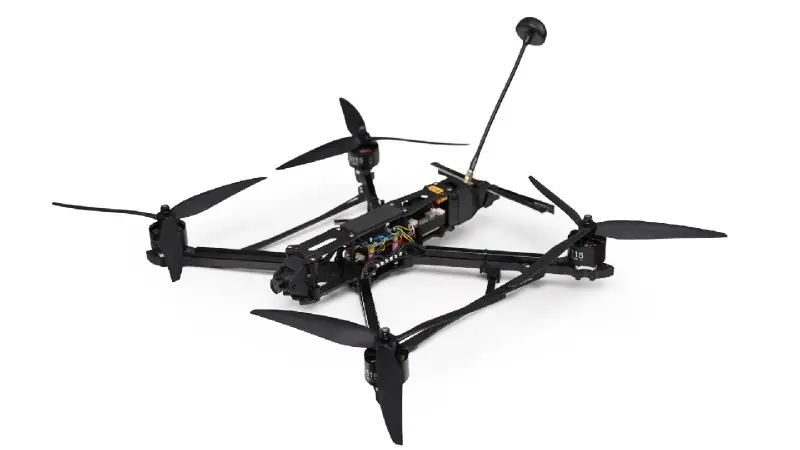
Russian milbloggers concede ground on edge autonomy more openly than before. Russian Engineer re-runs the Beskrestnov piece via KCPN framing the technology-vs-mass dilemma — ZALA/Supercam/Orlan traded for 50 cheap Molniya — and now doubles down that Ukraine’s cheap-mass bet won this round but risks losing the next, with the Americans flagged as the dangerous opponent who could overtake Russia’s SVO-era lead at the next turn (rusengineer-10769, rusengineer-10757). Rybar repeats the recruitment angle: the ‘Arctic Frontier’ AI olympiad in Cherepovets is pitched as the only way to pull a generation raised on AI tools and video games into defence work, an admission that the talent pipeline for military AI is thin (rybar-84314). Boris Rozhin amplifies a piece on the PLA’s reformed cyber/space/information troops and integration of private space firms — envy, not parity (boris_rozhin-231605). The autonomy brag of the moment is the IRRA-seeker Lancet claim from the previous assessment, but it is not being extended with fresh examples; the honest edge-AI aspiration stays with Chinese multi-rotor coordination experiments (ковёр-самолёт swarm camouflage, cargo-lift cooperation) that Russian Engineer waves at admiringly rather than any domestic equivalent (rusengineer-10768).
EW vs counter-EW & fiber-optic drones
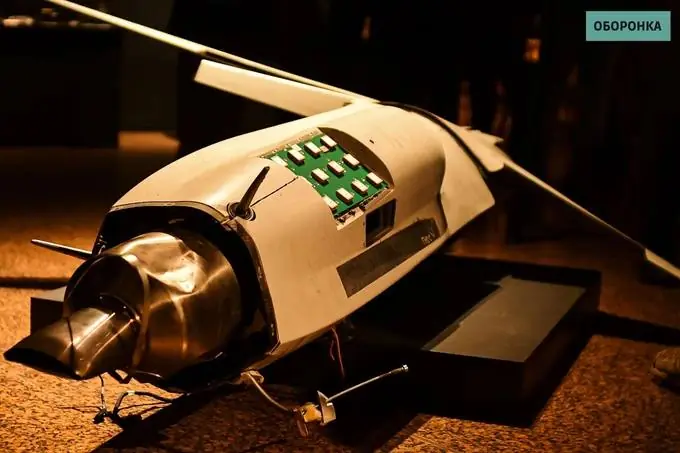
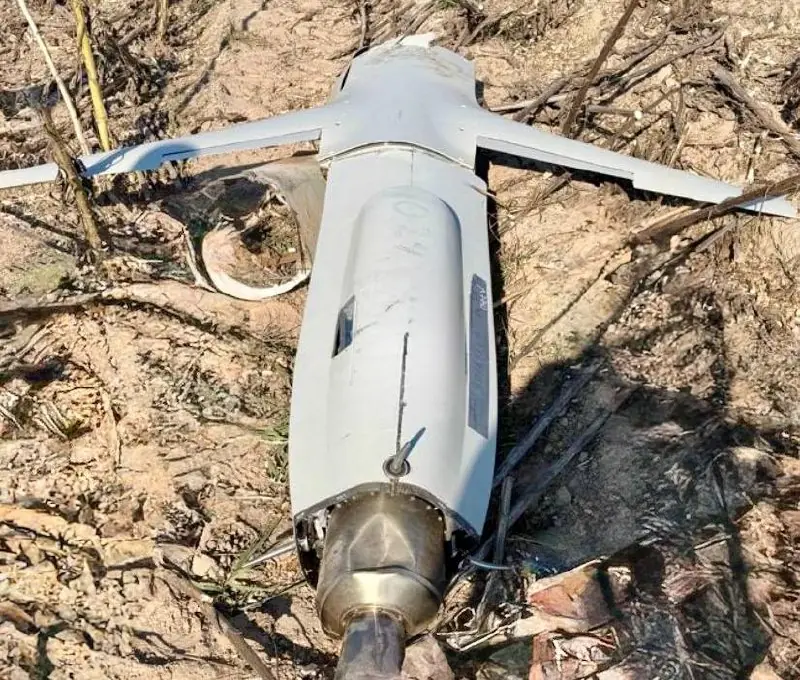
Starlink has hardened further into the central operational grievance. Boris Rozhin and milinfolive both run the RT finding that Kyiv spent ~₴653 million on Starlink terminals and service in 2026 alone — roughly double 2022–2025 combined — with the Ukrainian Unmanned Systems Forces named as a top buyer and tied to strikes inside Russia (boris_rozhin-231940, milinfolive-182576). Two Majors keeps posting downed Hornets carrying Starlink dishes, including at Alyoshki, and even flags Nazi insignia on a captured Starlink-equipped drone (dva_majors-101308, dva_majors-101310, dva_majors-101313); milinfolive notes the Kometa CRPA module with 12 antennas on a ‘Filin’ cruise missile wreck shown by HUR, confirming Russian systems are hardening their own satnav against jamming (milinfolive-182493). On the EW own-goal front UAVDEV keeps hammering induced-voltage self-detonations from powerful video transmitters, radios and EW emitters — now explicitly linking them to drone self-destruction on power-up, which they hope is now past tense but clearly isn’t everywhere (UAVDEV-13174, UAVDEV-13176). Fiber-optic FPVs are strikingly absent from the fresh traffic — the EW-immune frontier the previous assessment flagged is not being bragged about right now.
Counter-drone / interception
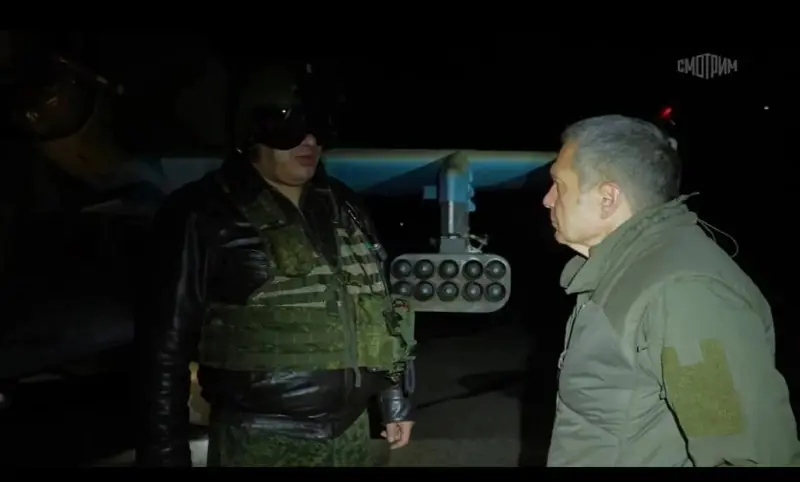
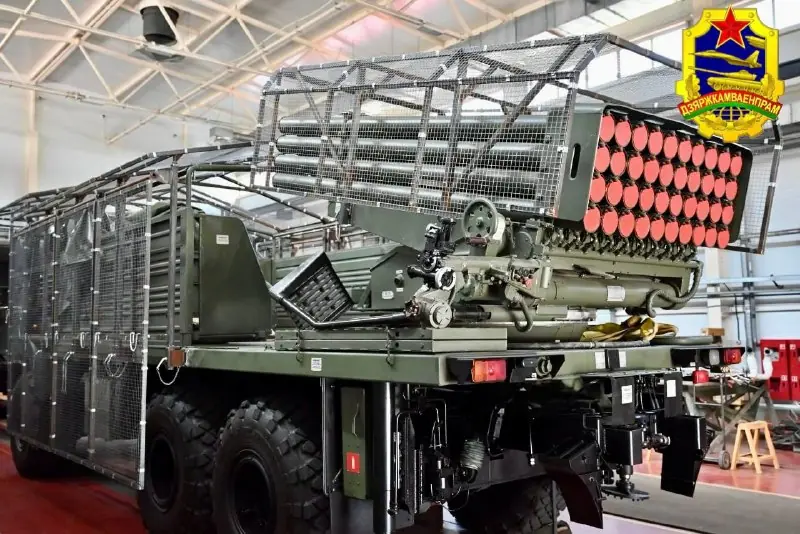
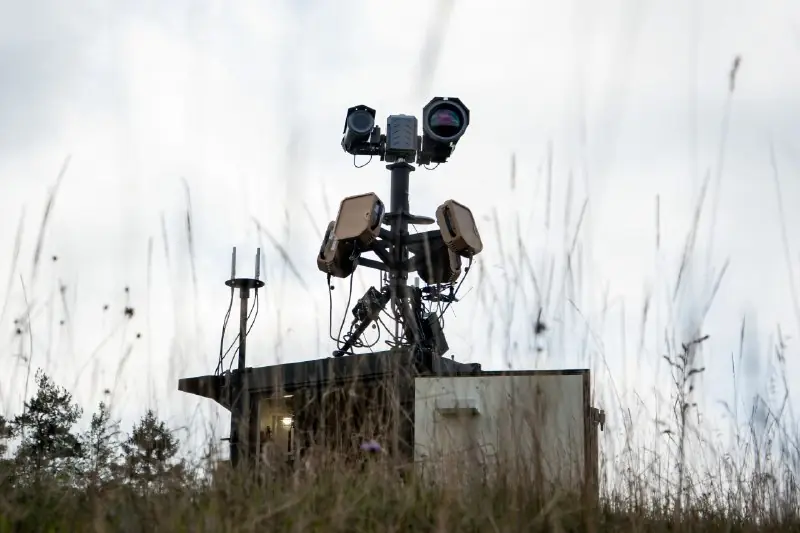
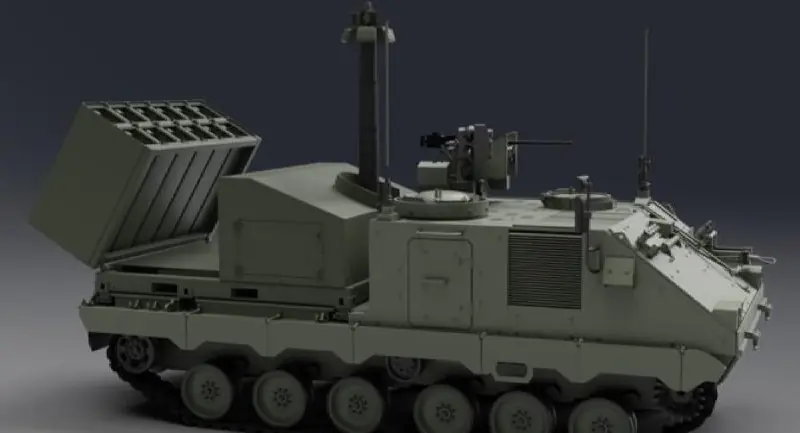
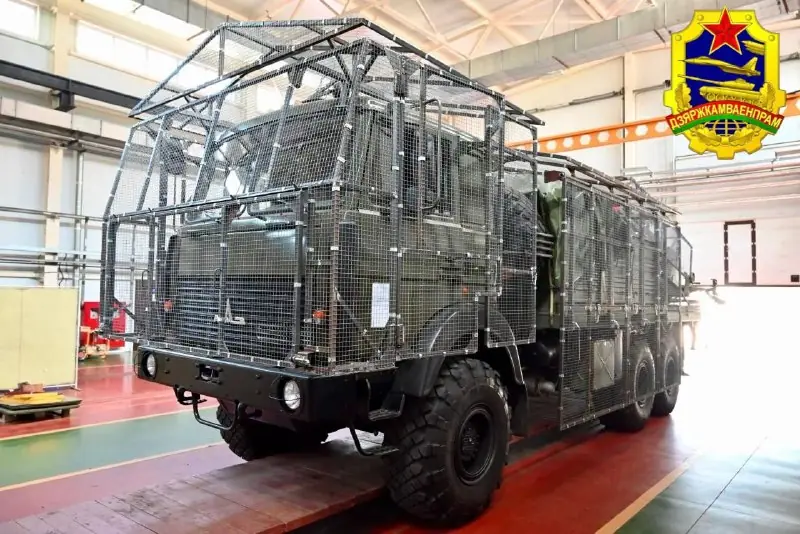
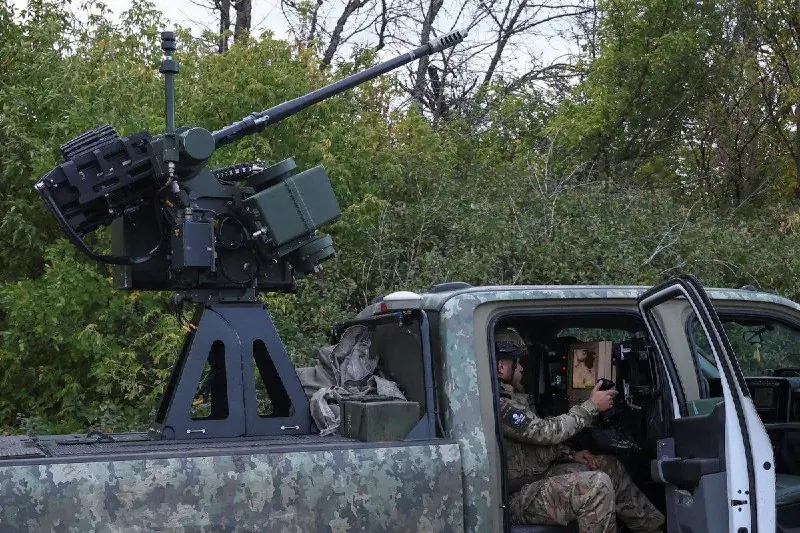
The big new item is Zaslon’s S-8VTs — an 80 mm modernised S-8 rocket adapted for the anti-drone role on Ka-52M (‘Rezets’), Mi-8AMTSh-V (‘Konevets’) and Ka-29, with a programmable fragmentation warhead, a dedicated radar seeker turning it effectively into a short AAM, ranges of 400–1500/4000 m depending on helicopter, and a modernised onboard radar plus B810-UV launcher blocks (10 rounds × 2 per aircraft); UAVDEV positions it as Russia’s cheap answer to the US APKWS and notes the vulnerability is only onboard EW, dismissed as a largely theoretical threat at 1.5 km line-of-sight (UAVDEV-13199, UAVDEV-13202, UAVDEV-13212). On the ground, barantchik argues the kill chain against 400–800-drone raids has genuinely improved — BARS-Belgorod MOGs every couple of kilometres along the frontier, Orlan cueing FPV-PVO units — producing results comparable to the 150–200-drone raids of spring (barantchik-42152). Boris Rozhin profiles the 23rd AD battalion using twinned modernised PKMs with night optics, splitting tactics by target type: electric Hornets with small arms, petrol Lyuty with Igla/Verba MANPADS (boris_rozhin-231614). Two Majors is openly contemptuous of poorly-mounted .50-cal ‘MOG’ show jobs that will shake themselves apart (dva_majors-101387). Boris Rozhin also reports the US Trust Automation RD-SUADS containerised C-UAS deployed at Grafenwöhr — airdroppable, four-day diesel autonomy — and Belarusian modular anti-FPV cages for BM-21 cabs, ammo racks and the artillery piece itself, framed as the standard answer when EW cannot cope with small manoeuvring drones (boris_rozhin-231729, boris_rozhin-231831).
Production, components & supply chain
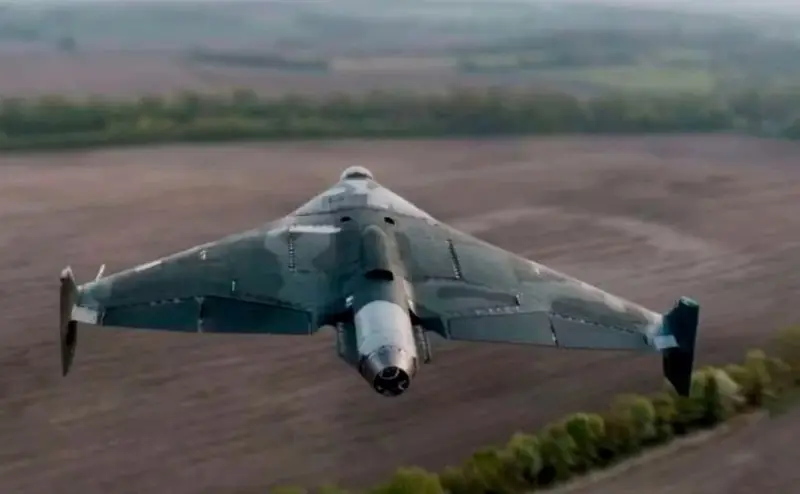
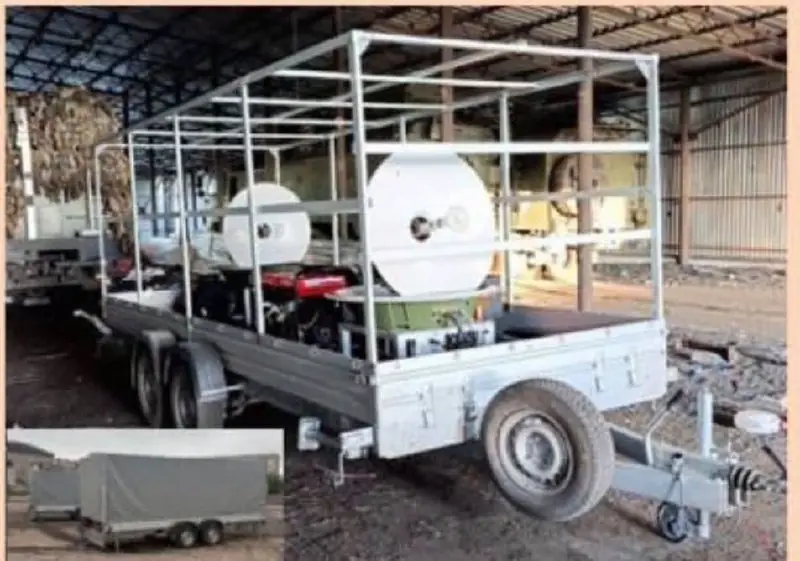
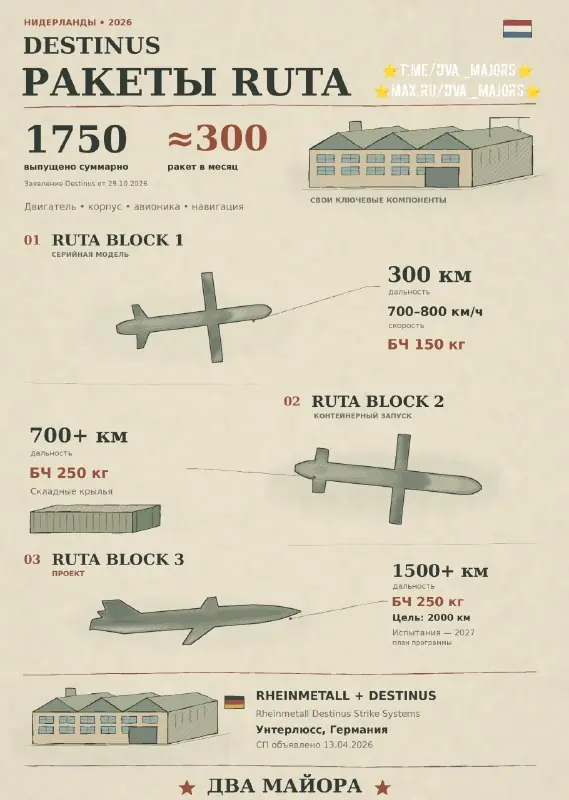
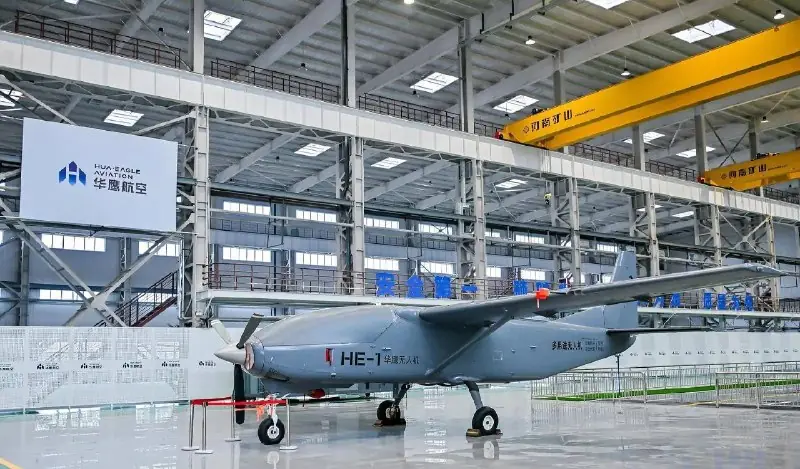
Rybar’s million-vs-thousands piece is being replayed and sharpened: Russia ~7 million drones this year, China capable of 500k/month, Zelensky claiming 10 million, Pentagon’s Drone Dominance targeting only ~250k by end-2027 for $1.1 billion, with 11 US companies awarded $150 million for 30k drones in March and only three delivering on time by mid-September — and Chinese motors still inside US drones (rybar-84340). On the Russian side Russian Engineer compiles Ukrainian AF Col. Ihnat’s October tally: ~360 small Bandarol/Dan-T cruise missiles, 4,740 piston-engined Geran/Gerbera/Parodiya loitering munitions, >4,000 jet-powered Geran-3/4/5, ~150 ballistic and 80 cruise/aviation missiles, with the Ukrainian GS confirming 6,473 Geran-2/3/4/5 total — a tempo milbloggers read as proof the Russian mass pipeline is holding (rusengineer-10778). Milinfolive extends RT’s Baltic-factory exposé: eight Latvian drone plants with foreign ownership (US, Israel, Ukrainian stakes), Belss modernising British IFV turrets with auto-fire systems pre-SVO (milinfolive-182440). Two Majors notes Rheinmetall–Destinus’s Unterlüss JV producing 1,750 Ruta B1 cruise-missile-class drones in 2026 with Block 2 (700 km / 250 kg) and Block 3 (2,000 km) planned (dva_majors-101306). Barantchik works the Patriot angle: 500 PAC-3 MSE approved for Ukraine at $2.1 billion but no delivery before 2030 because Lockheed can only triple output by then (barantchik-42120, milinfolive-182394). Boris Rozhin flags Kongsberg’s NSM Mission Module in a standard 20-ft ISO container, four canisters per launcher, mountable on merchant ships or truck chassis — milbloggers read this as NATO blurring merchant/military lines (boris_rozhin-231836). Rybar also notes China’s Vonan HE-1A heavy cargo drone (4 t MTOW, 2 t payload, first serial airframe off the line, 100+/year capacity) as a civil-military dual-use capability Russia has nothing matching (boris_rozhin-231947).
Tactics & employment
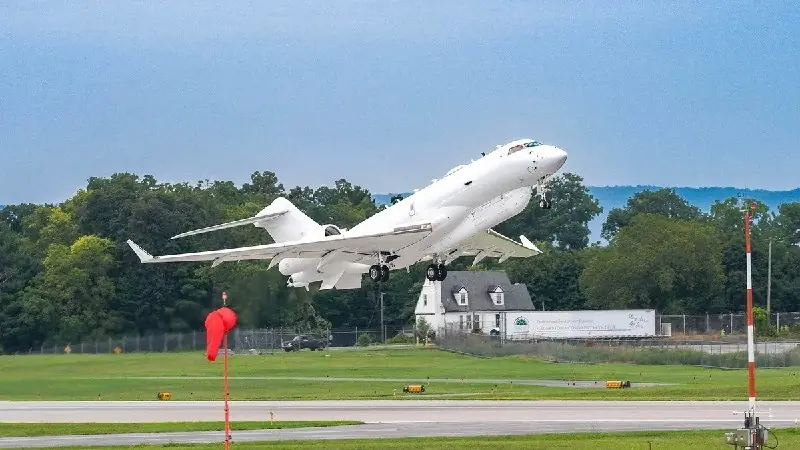
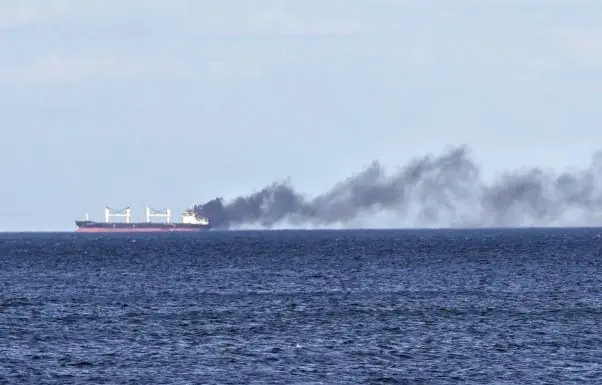
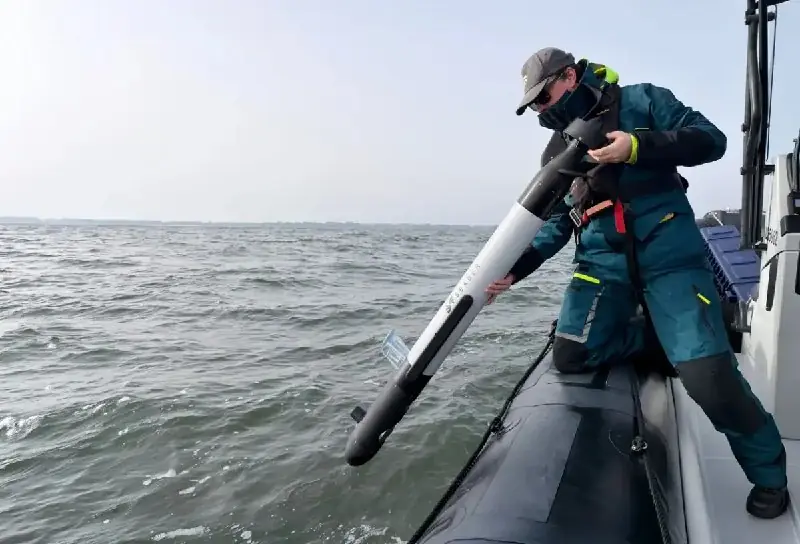
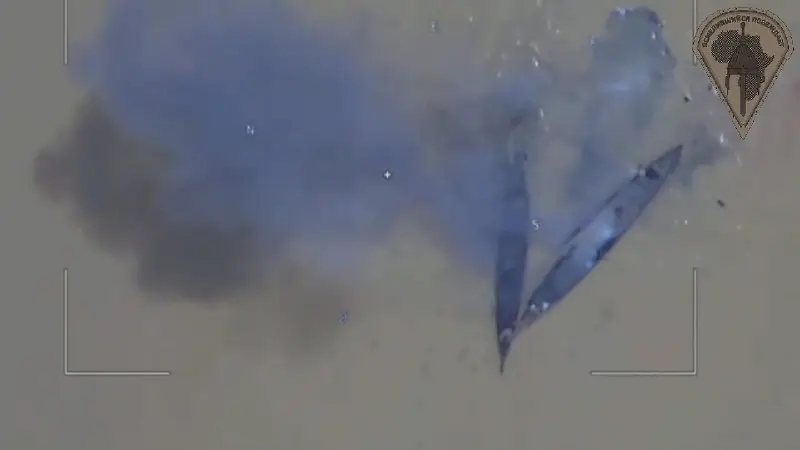
Strike tempo is the headline: milbloggers claim the mass Geran/Dan-T/Bandarol packages are now co-ordinated with UMPK-guided FAB-3000s and Kh-101 to blind Ukrainian energy (Prydniprovska TPP, Zhytomyr/Lutsk/Kovel/Lyubomyl substations, Dnipro’s Pryvokzalna) and sever logistics, with barantchik reporting an 18-missile+UMPK bomb strike across the length of the Zatoka bridge over the Dniester liman to deny rapid repair and sever Izmail/Reni/Vilkovo from Ukraine proper (milinfolive-182634, milinfolive-182638, boris_rozhin-232021, barantchik-42192, milinfolive-182384). ISR-strike loops against Ukrainian logistics also keep targeting UGVs: Rybar notes heavy transport-trailer NRTKs appearing more often in Russian drone footage, a ‘Boroova’ kill is showcased (rybar-84339), Boris Rozhin’s 5th MRB and 50th ‘Varyag’ Brigade both log UGV+pickup kills on the Orekhov axis (boris_rozhin-232030, boris_rozhin-231718), and a long highlight reel ends with five robotic-platform strikes in sequence (boris_rozhin-231601). Milinfolive flags a modernised Ukrainian FP-1 with wing fuel tanks pushing 3,400 km and new comms, and Mamai USVs striking Panama- and Liberia-flagged tankers LOUISE 1 and BANDA in the Black Sea — barantchik calling it the fifth sunken Black Sea cargo ship of October, with US P-8A redeployed to Bulgaria and French Atlantique 2 to Romania (milinfolive-182437, milinfolive-182581, barantchik-42073).
Ground & naval robotics
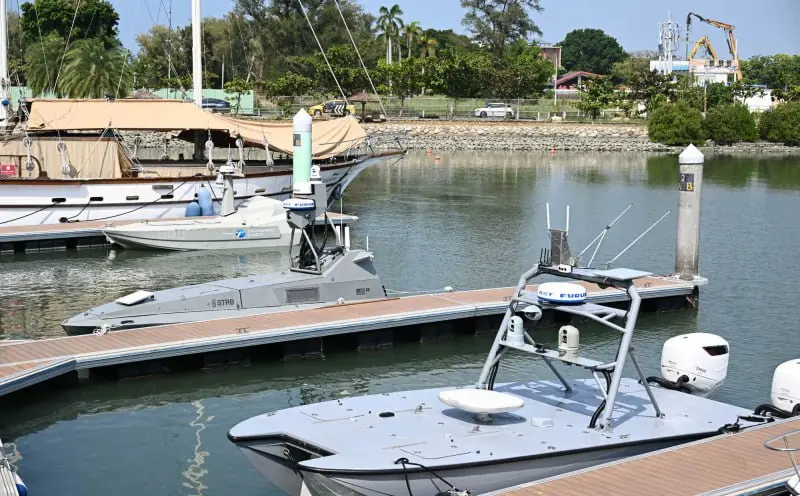
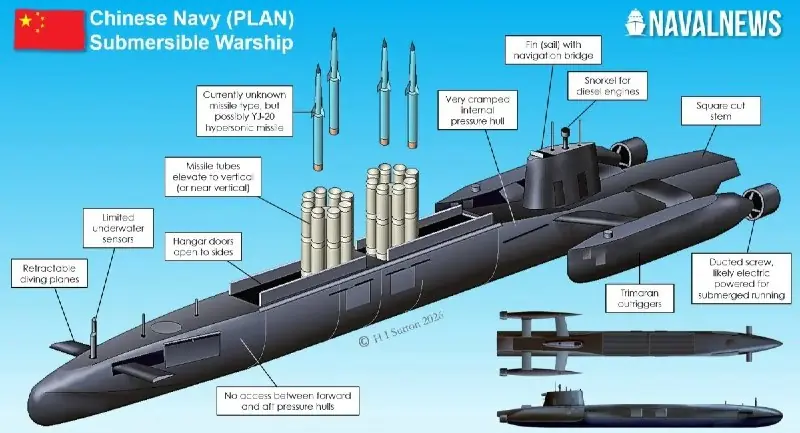
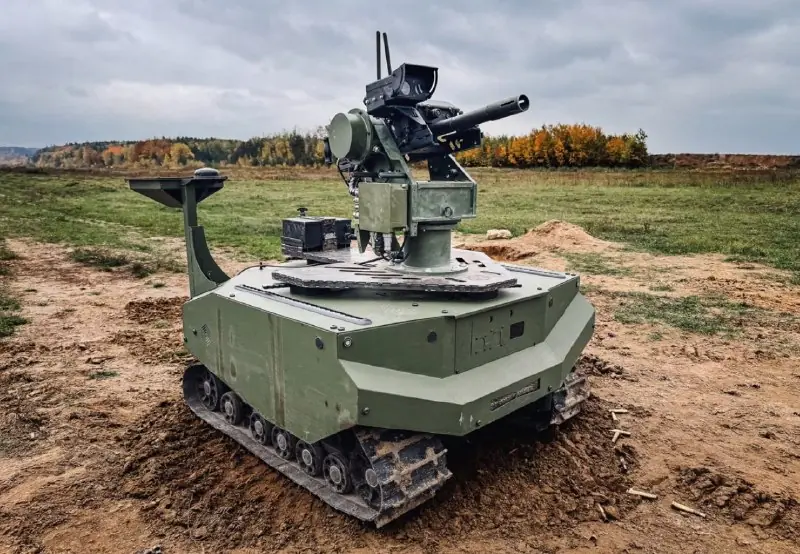
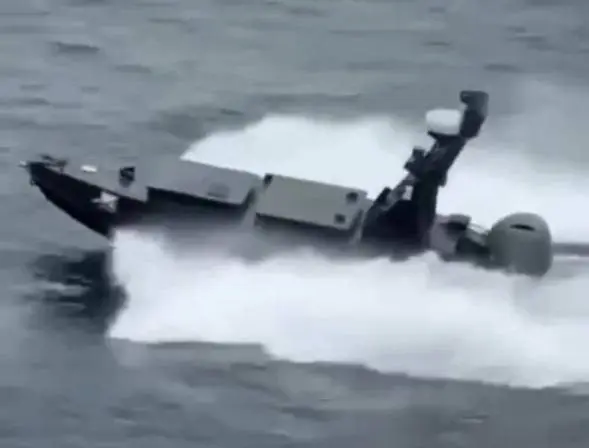
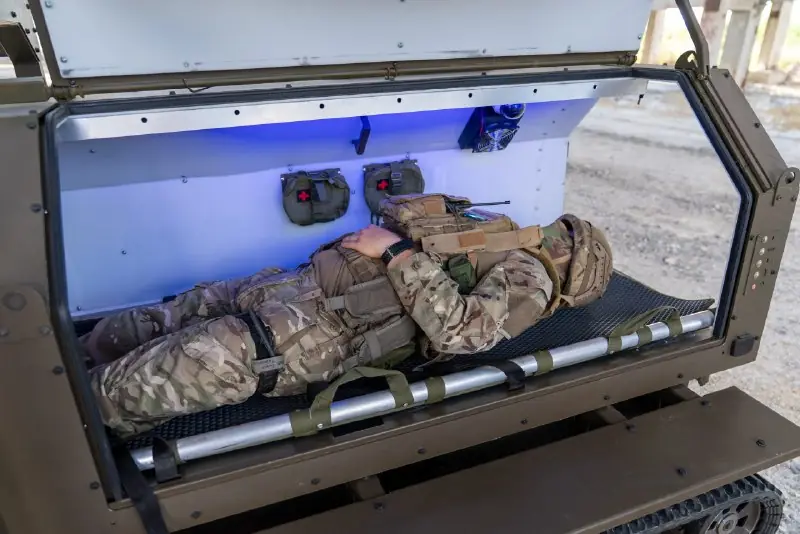
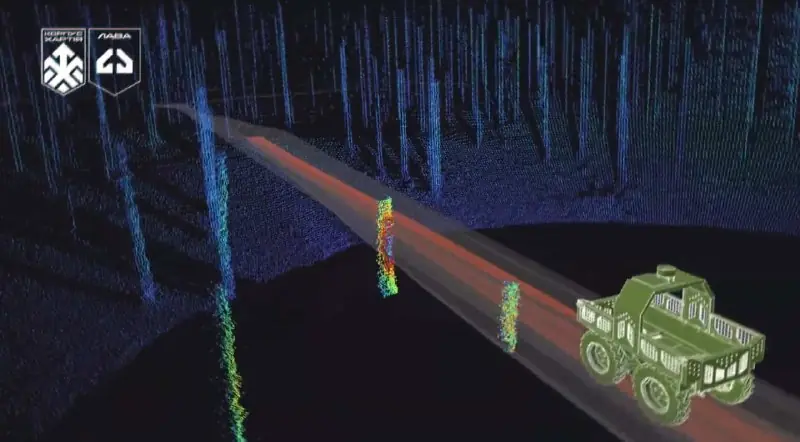
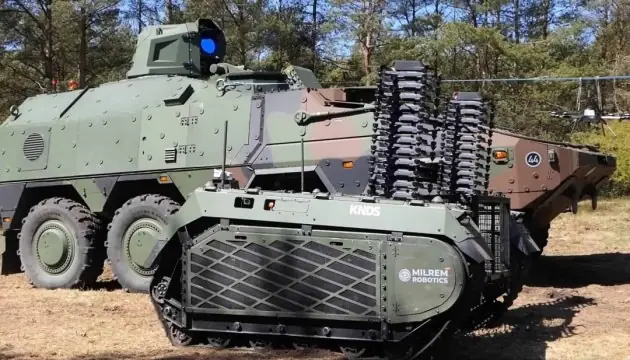
Russian milbloggers now treat UGV kills as routine deliverables of the FPV-ISR loop — enough that Rybar bothers to profile a heavy NRTK class the Ukrainians are using for trailer-grade logistics (rybar-84339), and two separate bulletins register pickup+UGV kill tandems on the Orekhov line (boris_rozhin-232030, boris_rozhin-231718). The naval side has sharpened: alongside the Mamai attacks on tankers (milinfolive-182581), Russian Engineer gives extended treatment to a Chinese semi-submersible unmanned missile carrier tested off Huludao — 16–18 VLS cells, 900 t submerged displacement, snorkel for diesel running, surfaces to pop open and fire SAMs/ASCMs/hypersonics (rusengineer-10764). The envious tone is the same as with China’s heavy cargo drone: a capability Russia has not produced.
Named systems & programmes
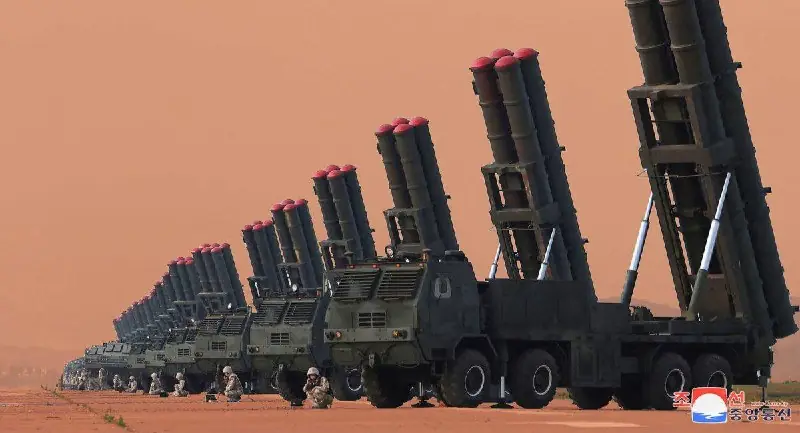
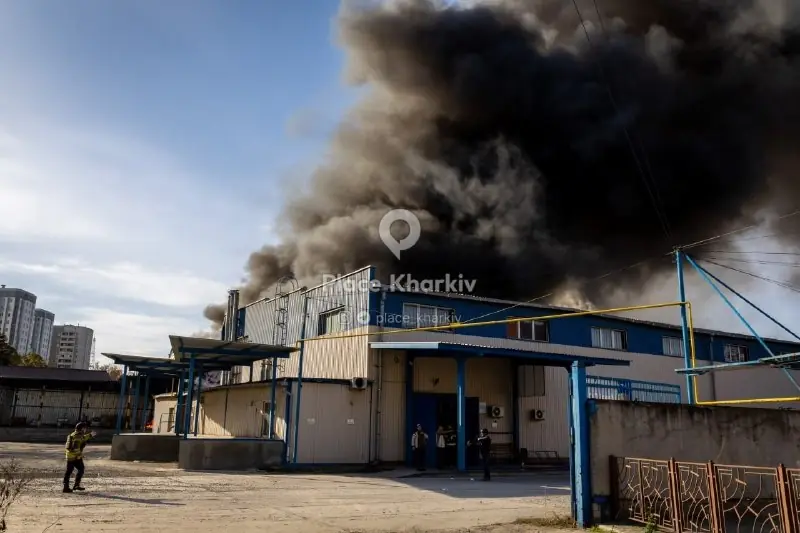
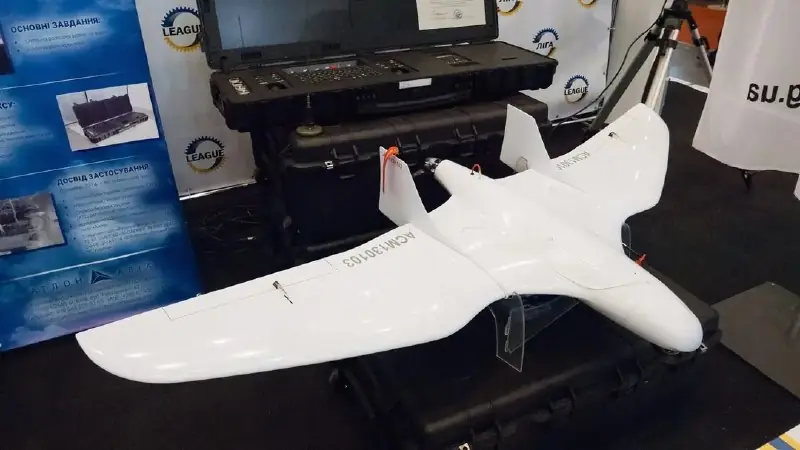
Geran-family mass is now the dominant named-system story: Ihnat’s own numbers (>4,000 jet Geran-3/4/5 plus ~2,400 piston Geran/Gerbera/Parodiya in October) are being used by milbloggers as validation (rusengineer-10778), with Geran strikes credited for the energy-node hits across Zhytomyr oblast and the fire at Odesa’s ‘Semya’ shopping centre (milinfolive-182638, milinfolive-182641). Zaslon’s S-8VTs enters the roster as Russia’s new helicopter-launched C-UAS munition (UAVDEV-13199, UAVDEV-13202). Milinfolive shows HUR displays of the ‘Filin’ cruise missile with a 12-antenna Kometa module alongside a Geran-5 and Dan-T/Bandarol (milinfolive-182493). On the Ukrainian side the FP-1 with wing tanks (3,400 km) and the Mamai USV get explicit callouts (milinfolive-182437, milinfolive-182581), and milinfolive runs North Korea’s 29 October Pyongyang UAV expo with a new heavy flying-wing and FPV production on display — an adversary now visibly entering the same product space (milinfolive-182629). Container-launched systems join the list too via Kongsberg’s NSM Mission Module (boris_rozhin-231836).
Offensive/defensive balance & morale
The self-image is ‘ahead now, but on a knife edge for the next step.’ Russian Engineer is the clearest voice: the current turn was won on mass and jet Gerans, but if ‘dilettantes’ control resource allocation at the next technology inflection, Russia could lose the lead to a methodical American push — he is unusually frank that the US is a dangerous opponent (rusengineer-10757, rusengineer-10769). Rybar echoes it in the AI talent and cheap-drone comparison pieces (rybar-84314, rybar-84340). Procurement grievances surface in Two Majors’ crowdfunding appeals — 135th MRR UAV operators asking for retranslators, generators, laptops and incubators worth 1.8 million roubles (dva_majors-101386, dva_majors-101365) — a steady admission that drone operator kits are still being assembled hand-to-mouth by volunteers. The fundraising-style posts coexist with triumphalism over Geran tempo and Starlink grievance, and the overall tone is pride-with-anxiety rather than confident supremacy.
- → Autonomy & AI at the edge — Beskrestnov/KCPN tech-vs-mass debate re-asserted; US flagged as the dangerous next-turn opponent.
- ↑ EW vs counter-EW — Starlink grievance hardening; Kometa 12-antenna CRPA on Russian missiles; fiber-optic FPV talk oddly absent.
- ↑ Counter-drone / interception — New Zaslon S-8VTs 80 mm radar-guided helicopter rocket; BARS-Belgorod MOG network maturing; US RD-SUADS noted.
- ↑ Production, components & supply chain — Million-vs-thousands narrative sharpened with Pentagon's Drone Dominance underperformance; Rheinmetall-Destinus JV on Ruta.
- ↑ Tactics & employment — Geran+UMPK+Kh-101 energy campaign co-ordinated with Zatoka bridge logistics strike.
- ↑ Ground & naval robotics — Heavy Ukrainian trailer-UGVs now routine targets; Mamai USVs sinking Black Sea tankers; Chinese semi-sub unmanned missile carrier.
- ↑ Named systems & programmes — S-8VTs new entrant; Geran-family tempo quantified by Ukrainian AF numbers; FP-1 with 3,400 km range flagged.
- → Offensive/defensive balance & morale — Pride at current tempo, anxiety about the next technology step and US catch-up.
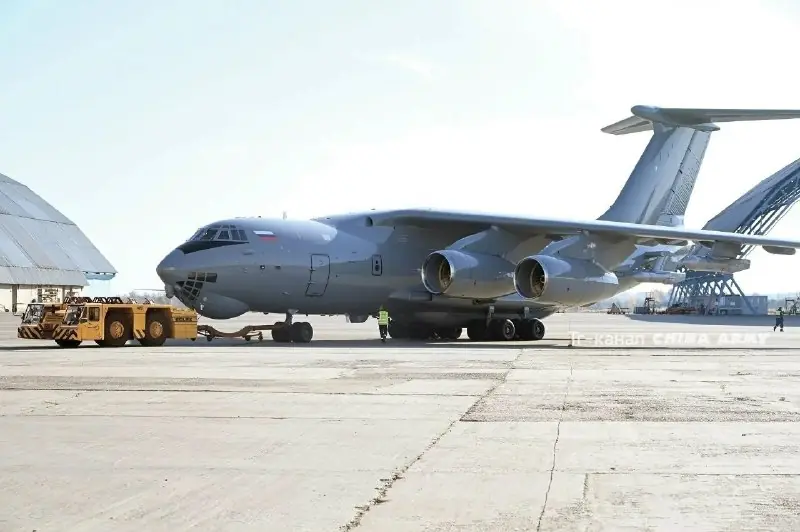
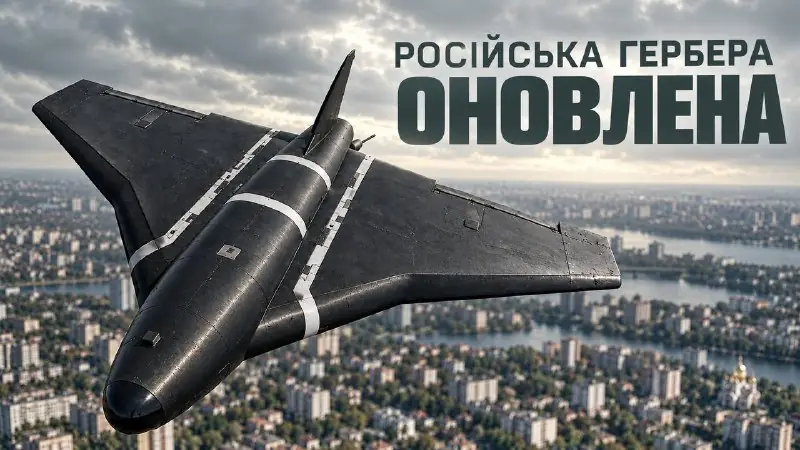
China Watchupdated · 55 sources readCorroborated reporting from Ukraine's military intelligence, carried by Ukrainian OSINT channels, continues to place Chinese components at the core of Russia's long-range strike complex: an upgraded Gerbera-2 with 1,200 km range and a 25 kg warhead now runs on a Chinese mesh modem and a Kometa-M12 satellite-navigation unit, and Russia is still importing foreign machine tools from China, Germany, Taiwan and others for missile production. On the state track, Russian commentator barantchik carries German President Frank-Walter Steinmeier's claim that Xi Jinping told him in Beijing that China is not preparing US–Russia talks over Ukraine, cooling the trilateral floated for mid-November. Claims of Chinese nationals fighting for Russia (one reported killed near Vovchansk), a Russian-built Il-78MK-90A in PLA markings, and a 900-tonne submerged Chinese missile vessel remain single-source and uncorroborated.
- Diplomacy and the trilateral track — Beijing tells Steinmeier it is not preparing US–Russia talks on Ukraine; trilateral around APEC cooling (barantchik).
- Components and supply — Upgraded Gerbera-2 confirmed by Ukraine's HUR with Kometa-M12 and a Chinese mesh modem; 22 foreign components from 6 countries identified.
- Weapons transfers — Russian 'Filin' small cruise missile publicly shown with ground launcher; Il-78MK-90A in PLA markings remains single-source.
- Personnel — Chinese national reported killed fighting for Russian forces near Vovchansk; single-source, not corroborated this cycle.
- PLA capability signalling — Zhuhai 2,000-drone show for PLAAF anniversary; serial HE-1A heavy cargo UAV off the line; ZT family and upgraded Itian-L SAM unveiled.
- China learning from Ukraine — Beijing analysing FPV, naval drones and airfield protection post-Pavutyna; developing counter-drone EW, laser and microwave systems.
Expand →
Collapse ↑
Each claim carries who made it; Russian channels' claims are claims, not confirmed fact.
- 2026-11-04Russia shows 'Filin' small cruise missile on a ground launcher for the first time
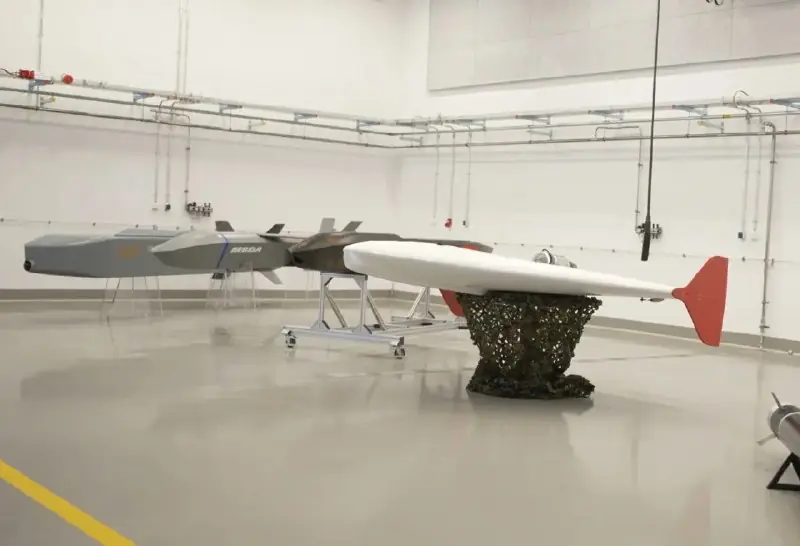
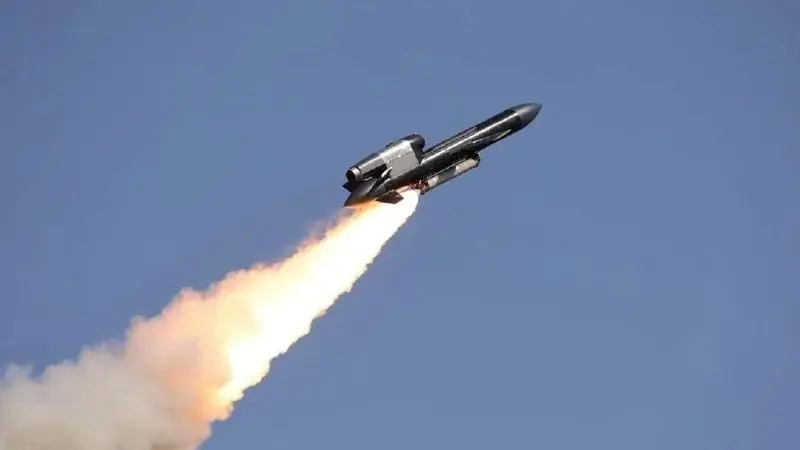
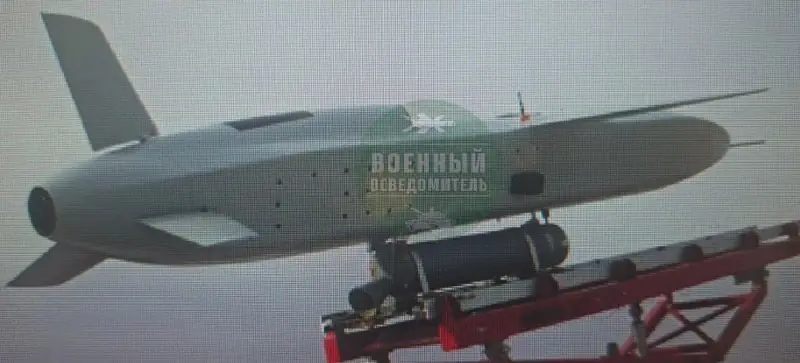
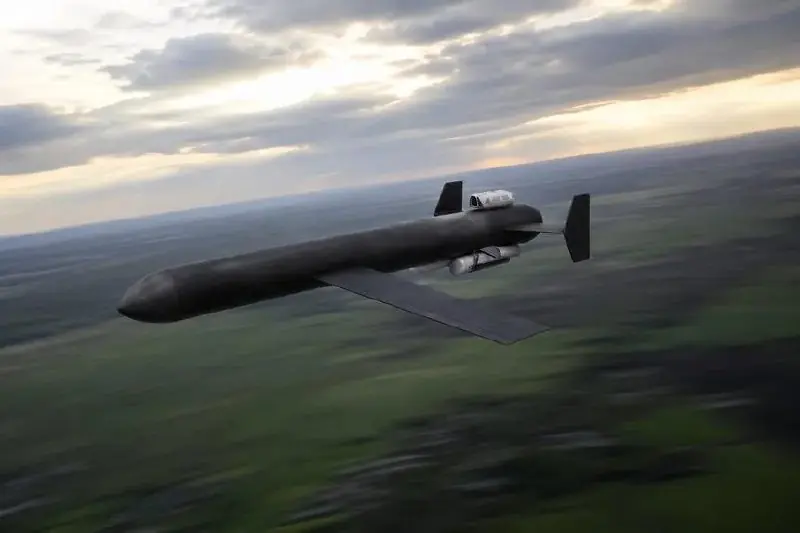
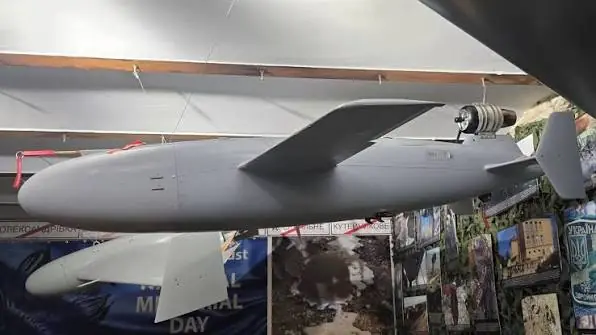
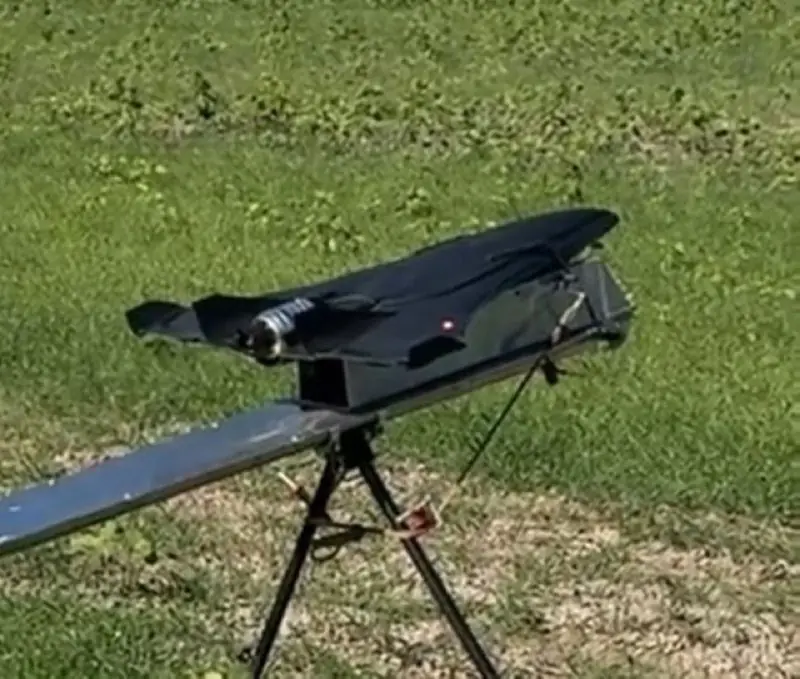
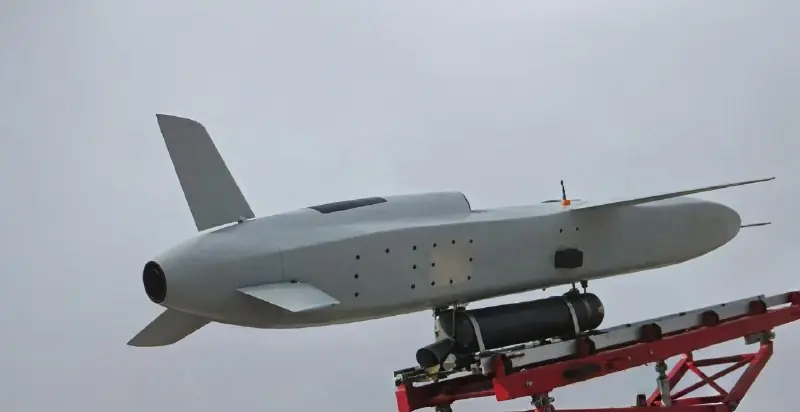
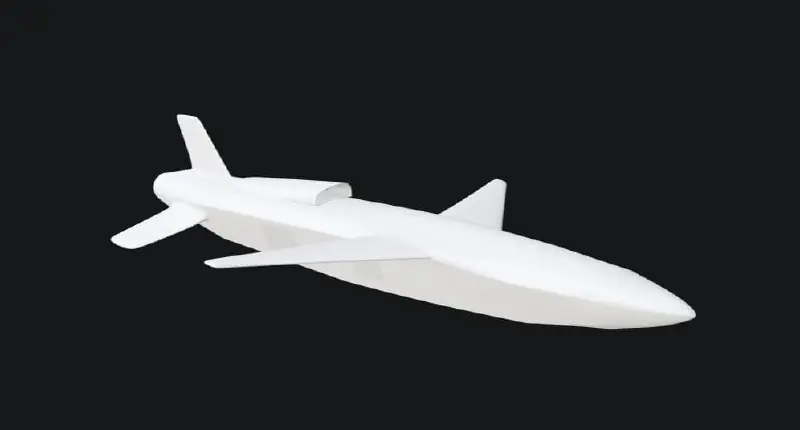
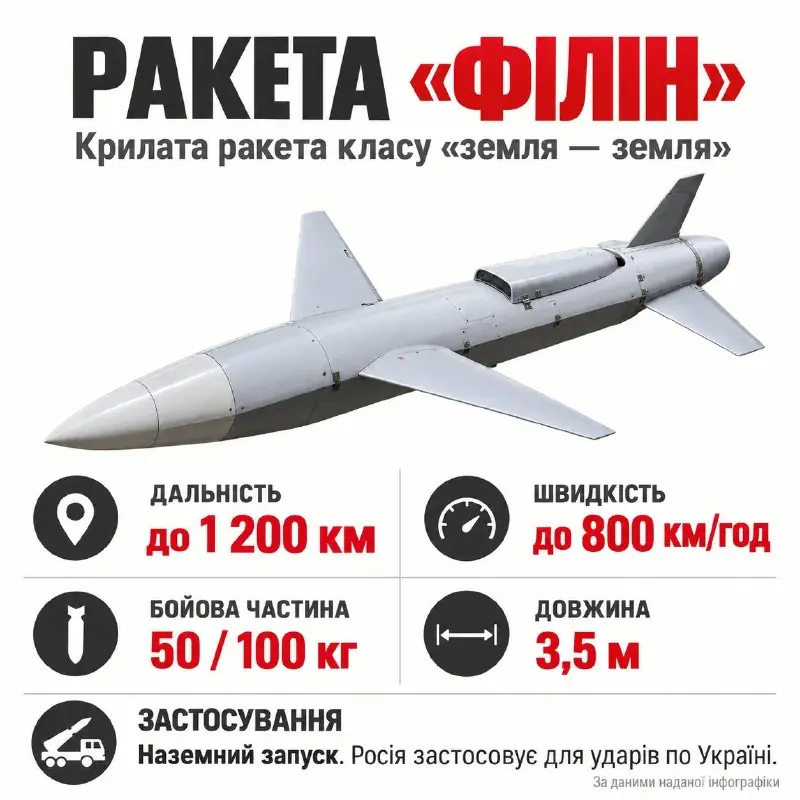
Istoria Zbroi reports the Filin uses a solid-fuel booster then an R500 turbojet, is about 3.5 m long with a 3 m wingspan and up to 210 kg at launch, with a stated 600–1,200 km range, up to 800 km/h, and 50 or 100 kg high-explosive, penetrating or thermobaric warheads. The Russian channel Русский инженер reads it as a deliberate move in the Geran line away from commercial-off-the-shelf toward an industrialised small cruise missile.
- 2026-11-03Upgraded Gerbera-2 identified with 1,200 km range, Kometa-M12 and a Chinese mesh modem
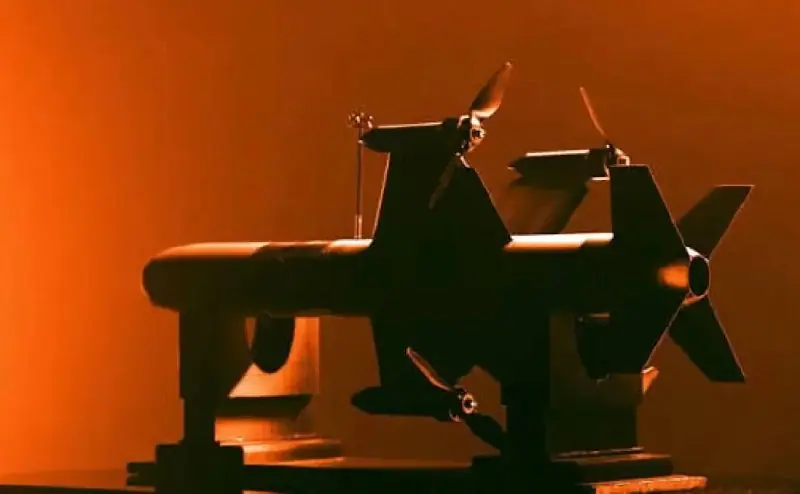
Istoria Zbroi, citing Ukraine's military intelligence, reports the modified Gerbera-2 flies up to 1,200 km with up to 10 hours endurance, a 2.6 m fuselage, 3 m wingspan and 63-litre tank, and that a recovered airframe was found to contain 22 foreign components from the United States, China, Ireland, Switzerland, Taiwan and the Netherlands, including a Kometa-M12 satellite-navigation unit and a Chinese mesh modem; Ukrainian reporting puts the warhead at 25 kg.
From the posts
- 2026-11-03Gazprom sets daily record for gas deliveries to China via Power of Siberia
Rybar reports that Gazprom set a new historical daily maximum for gas deliveries to China via the Power of Siberia pipeline on 1 November under the long-term contract with CNPC, without disclosing volumes — framed as another step in the Moscow–Beijing energy track against the broader market shift.
- 2026-11-03First serial Chinese HE-1A heavy cargo UAV rolls off the line in Shaanxi
Boris Rozhin and Victory Drones report Shaanxi Huaying Zhongxing Aviation Technology completed the first serial HE-1A in Weinan on 29 October — maximum takeoff mass 4 t, payload 2 t, with a Zhuhai appearance planned for December; Ukrainian OSINT reporting also separately notes an announced output goal of around 100 units a year.
- 2026-11-02Beijing tells Steinmeier it is not preparing US–Russia talks on Ukraine
The Russian commentator barantchik reports that after talks in Beijing, German President Frank-Walter Steinmeier said Xi Jinping made clear China is not preparing negotiations with the United States and Russia over Ukraine, and that Beijing wants Europe at the table — a cooling of the Putin–Trump–Xi trilateral Russian channels had floated for mid-November.
- 2026-11-02Chinese national reported killed fighting for Russian forces near Vovchansk
Ukrainian OSINT reporting says a Chinese national was killed fighting for Russian forces near Vovchansk in Kharkiv region. The line is single-source in this cycle and is not corroborated by any Telegram or open-web signal here.
- 2026-11-02Beijing unveils ZT drone family and an upgraded Itian-L counter-drone SAM
Chinese sources, carried in the OSINT record, present the ZT drone family at a Nanchang aviation conference — the ZT-100 at 20 hours endurance and 3,000 km range, the ZT-200 with a 1.5 t payload and 1,000 km range — and an upgraded Itian-L surface-to-air system on a Dongfeng Mengshi 4×4 chassis carrying 12 TY-90 interceptors for counter-drone defence.
- 2026-11-01Pentagon admits US is starting 'from scratch' on cheap drones as Russia and China scale
Rybar, citing Bloomberg, reports Pentagon defence-innovation chief Travis Metz saying the United States is starting practically from scratch on cheap drones, with Russia at about 7 million drones this year, Chinese capacity reported by Bloomberg Intelligence at 500,000 a month, and the Drone Dominance programme targeting only 250,000 drones by end-2027 on about $1.1 bn.

Diplomacy and the trilateral track
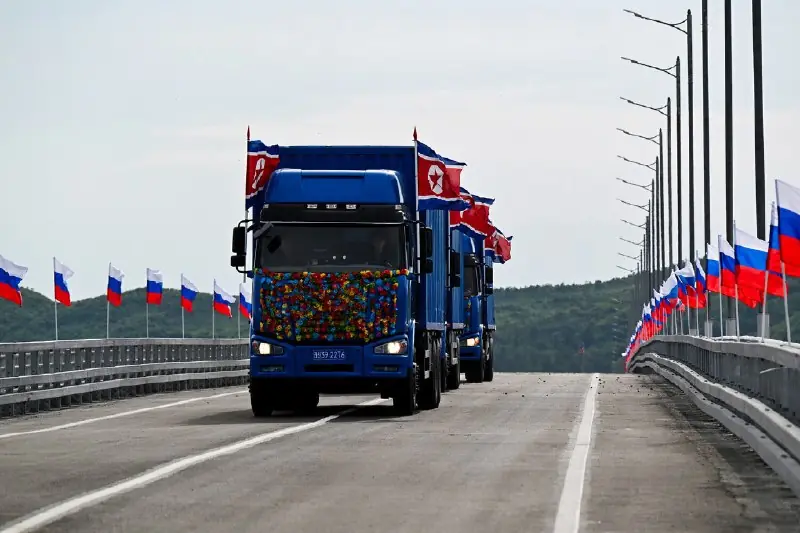
The Russian commentator barantchik reports that German President Frank-Walter Steinmeier, after talks in Beijing, said Xi Jinping made clear China is not preparing negotiations with the United States and Russia over Ukraine, and that Beijing holds that Europe should take part in any peace solution — a notable cooling of the Putin–Trump–Xi meeting Russian channels had floated around the APEC window. Rybar separately frames Beijing and Pyongyang as reconnecting with both patrons at once, pairing the new China–North Korea road bridge over the Yalu in October with the September Russia–North Korea road bridge over the Tumen; Victory Drones adds that Kim Jong Un visited Dandong and, accompanied by Politburo Standing Committee member Wang Huning, laid a wreath at the memorial to Chinese volunteers of the Korean War. barantchik’s earlier allegation that Ukraine’s foreign ministry received China’s ambassador under an upside-down Chinese flag remains a Russian-channel framing, not independently corroborated here.
Components, supply chains and weapons claims
Ukraine’s military intelligence, carried by the Ukrainian channel Istoria Zbroi, says the upgraded Gerbera-2 reaches 1,200 km with up to 10 hours endurance, a 2.6 m fuselage, a 3 m wingspan and a 63-litre tank, and that identification of a recovered airframe found 22 foreign-made components from the United States, China, Ireland, Switzerland, Taiwan and the Netherlands, including a Kometa-M12 satellite-navigation unit and a Chinese mesh modem — Ukrainian intelligence reporting also previously cited by Ukrainian OSINT channels putting the payload at 25 kg. Istoria Zbroi further reports Russia has publicly shown the ‘Filin’ small cruise missile on a ground launcher for the first time: a solid-fuel booster followed by an R500 turbojet, about 3.5 m long with a 3 m wingspan, up to 210 kg at launch, a stated 600–1,200 km range, up to 800 km/h, and 50 or 100 kg warheads in high-explosive, penetrating or thermobaric versions. The Russian channel Русский инженер reads the same Filin as a deliberate step away from off-the-shelf commercial parts toward a more industrial small cruise missile in the Geran line. Ukrainian GUR reporting carried in the OSINT record repeats that 30 foreign machine-tool units from China, Germany, Taiwan, the United States, Turkey, Switzerland and Italy are used in Russian ballistic-missile production, with 5-axis CNCs the hardest to substitute. The Russian commentator barantchik argues China is Ukraine’s largest trading partner, citing $21.04 bn in 2025 turnover and nearly $22.6 bn in January–September 2026 imports from China — a Russian narrative framing Beijing as the de facto supplier of Ukrainian drone components, not an independent audit.
Personnel
Ukrainian OSINT reporting says a Chinese national was killed fighting for Russian forces near Vovchansk in Kharkiv region. The claim is single-source in this cycle and not corroborated by any Telegram or open-web signal here; prior cycles’ recruitment numbers are not refreshed.
Training, exercises and state-to-state military contact
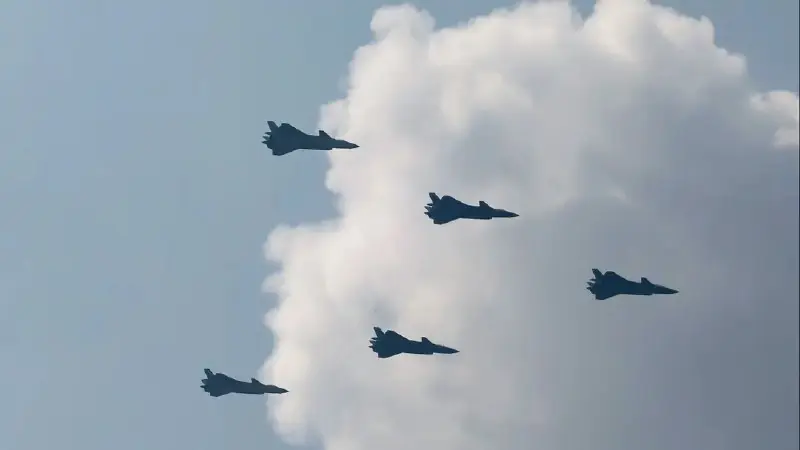
Victory Drones reports that a 2,000-drone light show over Zhuhai on 1 November opened events marking the 77th anniversary of the PLA Air Force on 11 November, projecting J-10C, J-16, J-20 and carrier-based J-35A fighters, the H-6K bomber, the Y-20 transport airdropping cargo, the KJ-500 AWACS and air-defence and radar assets — a capability signal rather than evidence of involvement in Russia’s war. Rybar, framing the China–North Korea bridge and the Russia–North Korea bridge as a paired cycle, and Victory Drones’ Dandong report on Kim Jong Un’s visit place Beijing visibly inside the Pyongyang track rather than the Moscow one in these signals.
Industrial scale, intelligence and space
Boris Rozhin reports that the first serial HE-1A heavy cargo UAV rolled off the final-assembly line in Weinan, Shaanxi on 29 October — maximum takeoff mass 4 t, payload 2 t, built by Shaanxi Huaying Zhongxing Aviation Technology — with a Zhuhai air-show appearance planned for December; Victory Drones carries the same report. Other OSINT entries note the PLA Navy testing takeoff and landing of the GJ-21 drone from the Type 076 ship Sichuan, China testing an uncrewed trimaran submarine in the Bohai Sea said to be able to surface and fire 16–18 missiles, and — in a separate single-source line — satellite-imagery analysis suggesting a 900-tonne submerged vessel for 16–18 YJ-20 hypersonic anti-ship missiles, plus a presentation of the ZT drone family at a Nanchang conference (ZT-100 at 20 hours and 3,000 km; ZT-200 at 1.5 t over 1,000 km) and an upgraded Itian-L surface-to-air system on a Dongfeng Mengshi 4x4 carrying 12 TY-90 counter-drone interceptors. Rybar, citing Bloomberg, says Pentagon defence-innovation chief Travis Metz has admitted the United States is starting ‘practically from scratch’ on cheap drones against Russian output of about 7 million a year and Chinese capacity reported by Bloomberg Intelligence at 500,000 a month, with the Drone Dominance programme targeting only 250,000 drones by the end of 2027 on about $1.1 bn. Boris Rozhin’s naval-tonnage line, attributed to the aggregator poisk_mil, keeps the United States first in active tonnage at 3.1 million tonnes, China first in 2024–2025 shipbuilding at 636,000 tonnes and over $43 bn, and Russia third at 660,500 tonnes. The Russian channel Военный осведомитель’s report that the US Defense Intelligence Agency formally identified a Chinese reusable spaceplane in its latest space-security report, using a 2024 Maxar/Vantor image, stands from the previous cycle; no signal here refreshes it. Rybar’s new line that Gazprom set a historical daily record on 1 November for gas deliveries to China via Power of Siberia under the CNPC contract, with no volumes disclosed, adds an energy data point to the same Moscow–Beijing frame.
China learning from the war, and the European frame
Istoria Zbroi reports that Beijing is analysing the Russian–Ukrainian war with particular attention to FPV drones, naval drones and the protection of military airfields, pointing to Ukraine’s 1 June 2025 Pavutyna operation as having exposed Russian aviation to sudden drone raids, and says China is responding with drone-detection, electronic-warfare, laser and microwave systems to protect bases and ships. The Ukrainian channel Victory Drones carries a translated post by Ukrainian signals-warfare commentator Serhii ‘Flash’ Beskrestnov arguing that in global wars mass tends to beat individual sophistication — a doctrinal frame several Russian channels, including Русский инженер, pick up around the Filin reveal. Два майора reports that Croatia’s ORQA and Ukraine’s General Cherry have agreed to jointly produce interceptor drones, electronic components and counter-UAV systems, and frames the arrangement as Ukrainian assembly know-how — including the use of Chinese components — now flowing into NATO. Victory Drones adds that the United States is building its own counter-DJI ecosystem around the Skydio X10D with L3Harris Falcon IV radios and the jam-resistant Wraith waveform, a deliberate move away from Chinese small drones; Istoria Zbroi reports Chinese firm Unitree’s new H2-X Kung Fu Legend Guardian humanoid robot on the H2 platform (1.82 m, about 70 kg, 31 degrees of freedom) demonstrating flips, kicks, 4 m jumps and lifting a car — a staged demonstration, Istoria Zbroi notes, that does not prove autonomy in real conditions. Russian channels’ claim of a Russian-built Il-78MK-90A tanker photographed in PLA Air Force markings remains single-source.
Watch nextWatch whether any publisher beyond the single Ukrainian OSINT line corroborates the Chinese national reportedly killed near Vovchansk, and whether Russian channels publish further imagery of the Il-78MK-90A in PLA markings. On the industrial track, ISW's focus on Russia's intensifying long-range strike campaign means the next question is whether Kometa-M12 and the Chinese mesh modem recovered in t
Strategic frame: Russian Offensive Campaign Assessment, November 2, 2026 (Institute for the Study of War).
Iran Watchupdated · 51 sources readIran's Shahed-136, in its Russian Geran form, remains the backbone of Russia's long-range strike campaign: Rybar on 1 November says Russian forces hit Ukraine with hundreds of Gerans that day, and on 31 October Flash reports dozens of petrol-engine Shaheds launched under cloud cover. Flash on 2 November says Ukraine has run a weeks-long electronic-warfare operation over Kyiv to jam the mesh-radio link Russian operators use to steer reactive Shaheds from Russian territory. Iran's IRGC claims a second downing of a US MQ-9 over the Strait of Hormuz on 2 November, this time attributed to the Izdeliye-358 system; both downings remain Iranian claims.
- Shahed campaign — Hundreds of Gerans on 1 November; petrol-engine Shaheds launched under cloud cover on 31 October
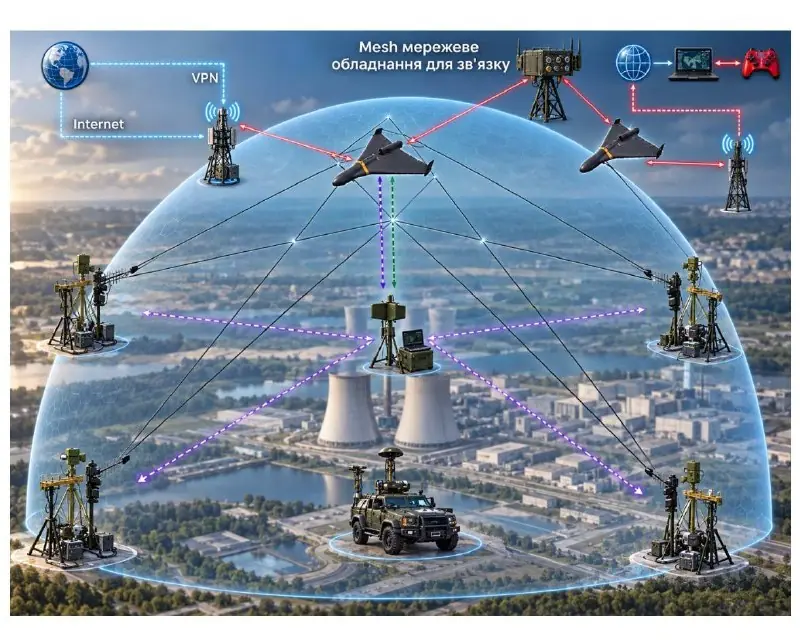
- Mesh-radio and EW — Ukraine runs weeks-long EW 'dome' over Kyiv to jam Shahed mesh-radio steering link
- Post-Shahed roster — Filin cruise missile added to the Geran-5/Banderol/Dan/UMPB-5 pivot; Tsymbulovo launch pads hardened
- Weapons transfers — Bloomberg says Russia now supplies missiles to Iran; Tehran's Geran-4/5 request remains relayed, uncorroborated
- Iran's own war — IRGC claims two MQ-9 downings over Strait of Hormuz; Qeshm explosions and US air activity signal new round
- European defence response — Raid Hunter, Durandal and LUCAS-Hivemind programmes aimed at Shahed-type threats; fielding one to two years out
Expand →
Collapse ↑
Each claim carries who made it; Russian channels' claims are claims, not confirmed fact.
- 2026-11-03Iran attributes second MQ-9 downing to Izdeliye-358 interceptor
Iranian sources say the IRGC shot down a US MQ-9 Reaper over the Strait of Hormuz using the 'Izdeliye-358' air-defence system, a follow-up to the 2 November claim; the identification remains Iranian and uncorroborated here.
- 2026-11-02Iran claims second MQ-9 downing near Strait of Hormuz
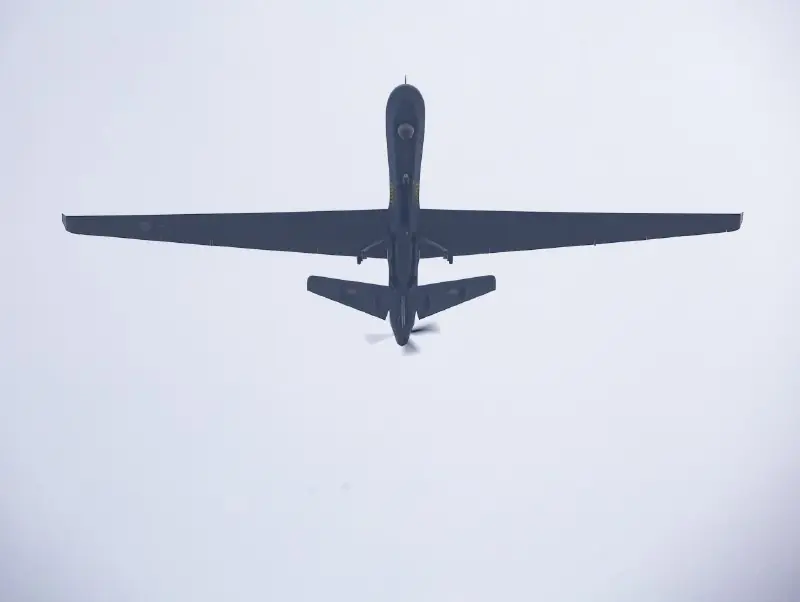
The IRGC claims to have shot down a second US MQ-9A Reaper over the Strait of Hormuz, following a similar claim earlier; Boris Rozhin ties the claim to explosions on Qeshm Island and active Iranian air-defence work amid US tanker and reconnaissance flights.
- 2026-11-02Ukraine runs EW operation over Kyiv to deny Shahed mesh-radio link
Flash says Ukraine spent several weeks building a protective 'dome' of electronic warfare over Kyiv to jam the mesh-radio link Russian operators use to steer reactive Shaheds from Russian territory, framed as a special operation in the 'war of cities'.
- 2026-11-02Rybar frames new Iran round with US nuclear-weapons talk
Rybar's 2 November digest says the United States is discussing the use of nuclear weapons in a new phase of the Iran war and that China is watching while continuing to build mock-ups of American equipment for training; on 3 November Rybar lists Iran among conflict points likely to flare soon.
From the posts
screenshot Rybar
- 2026-11-01Russia strikes Ukraine with hundreds of Gerans, concentrated in the west
Rybar says Russian forces struck targets across Ukraine with hundreds of Gerans on 1 November, with many hits in western regions; Rybar separately cites Bloomberg placing 2026 Russian drone output around 7 million units against roughly 250,000 under the Pentagon's Drone Dominance programme by end-2027.
- 2026-10-31Dozens of petrol-engine Shaheds launched under cloud cover
Flash reports solid cloud cover over Ukraine, under which Russia launched dozens of standard petrol-engine Shaheds, counting on cloud to make detection by interceptor crews harder.
From the posts
- 2026-10-28Istoria Zbroi video details Russian Filin cruise missile
A new video report describes the Russian Filin cruise missile with 3D-printed parts, foreign electronics and a stated range up to 1,200 km, and raises the prospect of Filins arriving in dozens alongside Shaheds and jet-powered drones; Flash on 22 October placed Filin in the post-Shahed roster with speeds up to 800 km/h and a 1-2 Shahed-equivalent warhead.
- 2026-10-27Iran approves Russian state broadcaster office and cultural festival
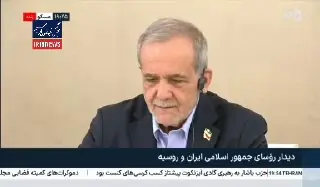
Iranian president Pezeshkian tells Putin that Tehran has approved opening a representative office of Russian state television and radio in Iran and will host a Russian cultural festival, a cultural-ties track running alongside the military file.
From the posts

Shahed campaign and tactics
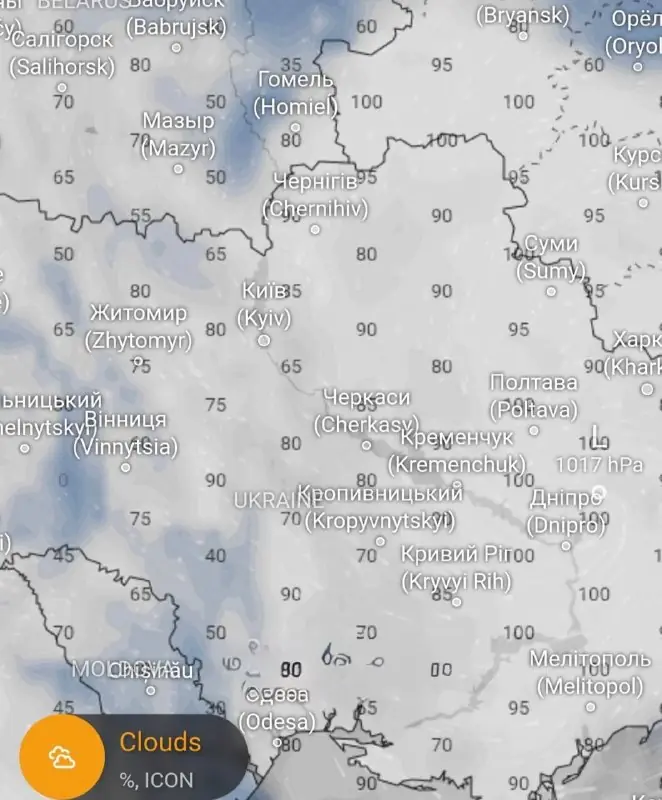
Russian channel Rybar on 1 November says Russian forces struck targets across Ukraine with hundreds of Gerans that day, with many strikes in western regions. Ukrainian channel Flash on 31 October reports solid cloud cover over Ukraine, under which Russia launched dozens of standard petrol-engine Shaheds, counting on cloud to make detection by interceptor crews harder. Russian channel UAV Development on 25 October places the current Russia-Ukraine exchange of thousand-drone long-range strikes in the lineage of Iran’s campaign that began on 28 February 2026, arguing Iran has continued at pace to build and modernise Shahed-type drones and accumulate them in mountain tunnels. UAV Development on 25 October also describes long-standing Russian use of proxy boards on Starlink terminals, which it says were adopted from Ukrainian techniques against jamming and later used by Iranians during protests, with terminals lowered into pits or wrapped in mesh to hide them from jammers while preserving sky visibility.
Mesh-radio link and the Kyiv counter-operation
Ukrainian channel Flash on 2 November says Ukraine has run what it calls a special operation in the ongoing ‘war of cities’ to protect Kyiv from reactive, remotely controlled Shaheds through electronic-warfare means. A Russian operator uses a mesh-radio modem on the Shahed to steer the drone from Russian territory, and the operation built a protective ‘dome’ over the capital to jam that link; the work was large in scope and carried out across the city over several weeks. In a follow-up the same day Flash defends the public disclosure. The account builds on his 23 October thread, in which he said Russian Shaheds have for close to two years used mesh radio modems that each act as relays for other modems, with a dedicated pilot group set up for the project and an initial single-frequency, single-password, single-key configuration.
Post-Shahed roster and production
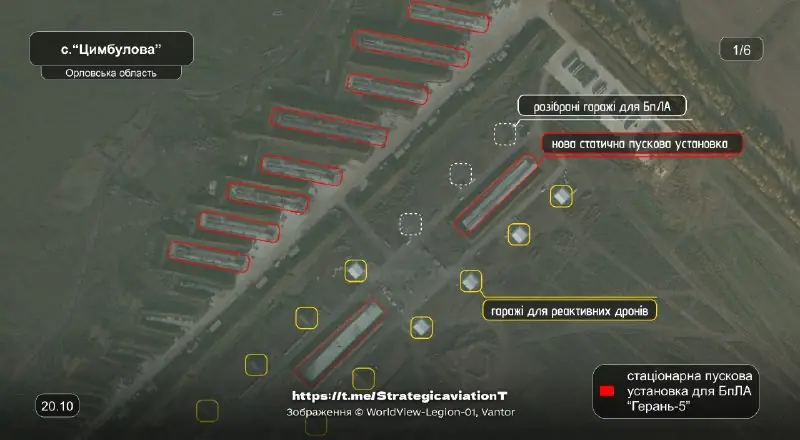
Flash on 22 October adds the Filin cruise missile to the post-Shahed roster alongside Geran-5, Banderol, Dan-T, Dan-M, S-71M and the jet UMPB-5, with a stated range up to 1,200 km, speeds up to 800 km/h, altitudes up to 6 km and a warhead comparable to one or two Shaheds; he frames this as evidence Russia is pivoting from reactive Shaheds to cheap cruise missiles built from Russian components, launchable from helicopters and UAVs and not dependent on drone-airfield infrastructure. Istoria Zbroi on 28 October carries a related video report describing the Filin as using 3D-printed parts and foreign electronics, with a stated range up to 1,200 km, and raises the prospect of Filins arriving in dozens alongside Shaheds and jet-powered drones. Ukrainian channel Victory Drones on 21 October relays fresh satellite imagery of the Tsymbulovo launch complex in Russia’s Oryol region showing that, after recent Ukrainian strikes, launchers for jet-powered drones have been additionally hardened, structures are going up for anti-drone cables and nets copied from Alabuga, and damaged storage garages are being repaired, with six prepared launch pads and more planned. Rybar on 1 November, citing Bloomberg, says Russia will produce around 7 million drones this year while the Pentagon’s Drone Dominance programme targets about 250,000 drones by the end of 2027 on roughly 1.1 billion dollars.
Components, air defence and transfers
Ukrainian OSINT reporting that Mexico has copied and begun producing the Shahed-136, and that Russian Geran-2s derived from Shahed technology have been deployed in Mali for strikes against militant positions, remains uncorroborated by other independent reporting here. Victory Drones separately identifies the Russian ‘Iva’ infrared search-and-track system used by mobile fire groups as nearly identical to the Iranian Misagh-2 MANPADS or its Chinese predecessor QW-18, pointing to continued Russian reliance on Iranian or Chinese guided-missile technology on the air-defence side. Ukrainian OSINT channels relay Bloomberg reporting that Russia has begun supplying missiles to Iran, writing that despite months of US and Israeli bombing Tehran kept missile and drone production capacity and used the ceasefire to replenish arsenals; Bloomberg does not specify the type. Ukrainian OSINT channels add that Tehran previously asked Moscow for Geran-4 and Geran-5 strike drones, with a separate version specifying variants with AI targeting and jam-resistant antennas; these remain Western-media reports relayed through Russian-language and Ukrainian channels, uncorroborated here. Iranian company Dot Van, as reported in Ukrainian OSINT coverage on 29 October, plans to deploy 200 communication drones at 20 km altitude to replace Starlink with military utility, a stated plan rather than a fielded capability.
Iran’s own war and intelligence claims
Russian channel Boris Rozhin on 2 November reports explosions on Qeshm Island, active Iranian air-defence work, and intensified US tanker and unmanned-reconnaissance flights in the Persian Gulf, saying Washington is probing Iran’s air defences before fresh strikes and that a Qatari delegation to Tehran left in a hurry; he expects a new round of fighting within days. Rybar on 2 November, summarising its day’s output, writes that in the United States the use of nuclear weapons during a new phase of the Iran war is being discussed and that China is watching, continuing to build mock-ups of American equipment for training. Rybar on 3 November places Iran and Cuba among conflict points that could flare in the near term. Iran’s IRGC claims to have downed a US MQ-9 drone over the Strait of Hormuz using an advanced air-defence system, coinciding with the Qeshm explosions, and in a follow-up Iranian sources attribute a second downing on 2 November to the Izdeliye-358 interceptor; both remain uncorroborated here. Boris Rozhin on 23 October carries Iranian state media and Russian military reporting on the unveiling of the Arash-3 kamikaze drone, described as a larger variant of the Arash-2 with a 100-150 kg warhead and AI guidance. Iranian state media and the IRGC, relayed in Russian-language channels, claim the capture of a US Remus 600 autonomous underwater vehicle in the Strait of Hormuz said to be undergoing reverse engineering, with Iranian claims of electronic-warfare disablement. On 20 October Boris Rozhin carries an IRNA interview in which IRGC spokesman General Hussein Mohabbi says Tehran is holding to its political and military line while the United States is not. Rybar on 22 October reports fresh attacks on tankers in the Strait of Hormuz and intensified Western-intelligence contacts with Syria over an Islamic State threat; Rybar on 27 October adds that in the United States new strikes on Iran after the elections are under discussion.
Diplomatic frame and what it means for Europe
Barantchik on 21 October notes that Putin’s back-to-back St Petersburg meetings on that day with US envoy Witkoff and Chinese premier Li Qiang place the Iran file inside a wider Russia-US-China frame, with a proposed November Putin-Trump-Xi meeting on the table. Boris Rozhin on 27 October reports Iranian president Pezeshkian telling Putin that Tehran has approved opening a Russian state television and radio representative office in Iran and will host a Russian cultural festival, a cultural-ties track running alongside the military file. Rybar on 20 October argues that after Iran, Washington is in no position to tell Russia how to run military operations, framing the Iran campaign as a reference point for Russia’s own doctrine debate. On the European defence side, Northrop Grumman is developing the Raid Hunter counter-drone system, a 50 mm Bushmaster Chain Gun paired with the SRC Gryphon R1810 AESA radar able to track more than 1,000 targets at up to 5 km, explicitly to intercept Shahed-type drones at lower cost per shot than missile interceptors, per Istoria Zbroi on 23 October. Istoria Zbroi on 21 October reports that French firm MBDA is developing the jet-powered Durandal (OWE 500+) strike drone with a stated 500 km range, positioned as a counterpart to Shahed-type systems, with Defence Express estimating about two years before fielding. On the US side, Istoria Zbroi on 19 October reports that American LUCAS one-way strike drones, which Ukrainian analysts compare to the Shahed and Geran, are to be integrated with Shield AI’s Hivemind autonomous-control system, with a separate Shield AI-Honeywell Aerospace test on 13 October of two aircraft sharing a target-and-strike task. ISW’s 2 November assessment places all this against Russia’s increasingly devastating long-range strike campaign in October 2026, which it ties to Putin’s evolving theory of victory resting on making Ukrainian civilian life untenable, with 193 drones launched overnight on 1-2 November and 332 drones and loitering munitions during the day on 1 November.
Watch nextWatch whether Iranian MQ-9 claims gain independent corroboration and whether the Qeshm explosions and US tanker and reconnaissance activity mature into open fighting within days as Rybar and Boris Rozhin expect; on the Ukraine side, watch for Russian adaptation to the Kyiv EW 'dome' on the Shahed mesh-radio link and for the first confirmed Filin strikes alongside Gerans against the long-range camp
Strategic frame: Russian Offensive Campaign Assessment, November 2, 2026 (Institute for the Study of War).
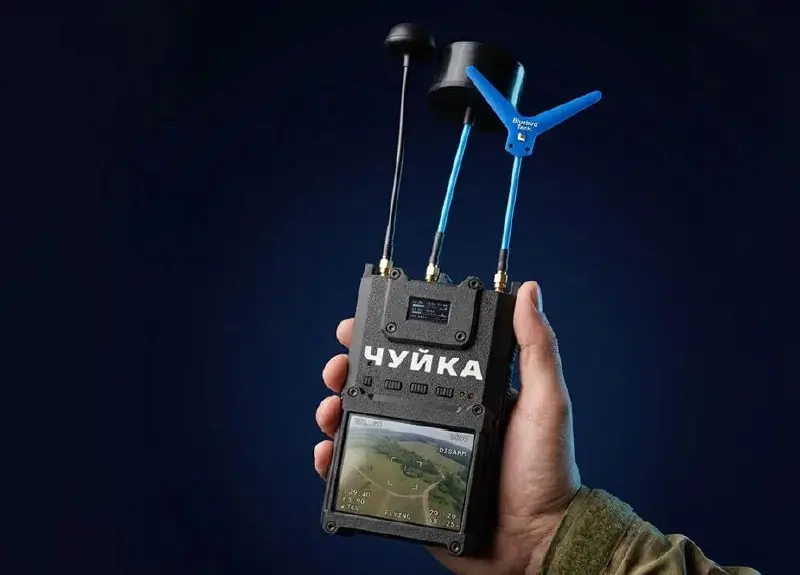
Relay & Mesh Watchupdated · 55 sources readCorroborated action against Russia's relay network still rests on Ukrainian General Staff strikes on ground relays in August and October and the SBU's September detention of a Kyiv collaborator; this week Serhii 'Flash' Beskrestnov disclosed that Ukraine has built a city-wide electronic-warfare 'dome' over Kyiv aimed specifically at the MESH radio links that steer jet-powered Shahed drones. Ukrainian military intelligence reports Russia has upgraded the Gerbera-2 from a decoy into a 1,200 km strike platform with Chinese mesh modems and processors, and separately describes an enlarged Heron-2 variant with a Geran-2 engine and mesh modems — both claims so far rest on Ukrainian findings. Russian volunteer channel Two Majors has now driven its 135th Motor Rifle Regiment repeater-kit fundraiser past one million roubles, a visible measure of what the regular supply system is not covering.
- Kyiv EW 'dome' vs Shahed MESH — Beskrestnov confirms a city-wide EW counter-MESH operation over Kyiv targeting the Shahed radio-modem link (2 Nov).
- Airborne mesh and Chinese modems — GUR reports Gerbera-2 upgraded to a 1,200 km strike role and an enlarged Heron-2 with a Geran-2 engine, both using Chinese mesh modems; 22 foreign parts identified on the Gerbera-2.
- Counter-relay kinetic strikes — No new strikes this cycle; ledger still rests on Ukrainian General Staff hits on ground relays (12 Aug, 13–14 Aug, 7–8 Oct) and the SBU Kyiv case (21–24 Sept).
- Starlink, Rassvet and satellite fallback — Russian channels map a Starlink-replacement stack (radio, repeaters, Rassvet); Zelensky says SpaceX >161 km/h speed limit still costs drones and Shahed interceptions.
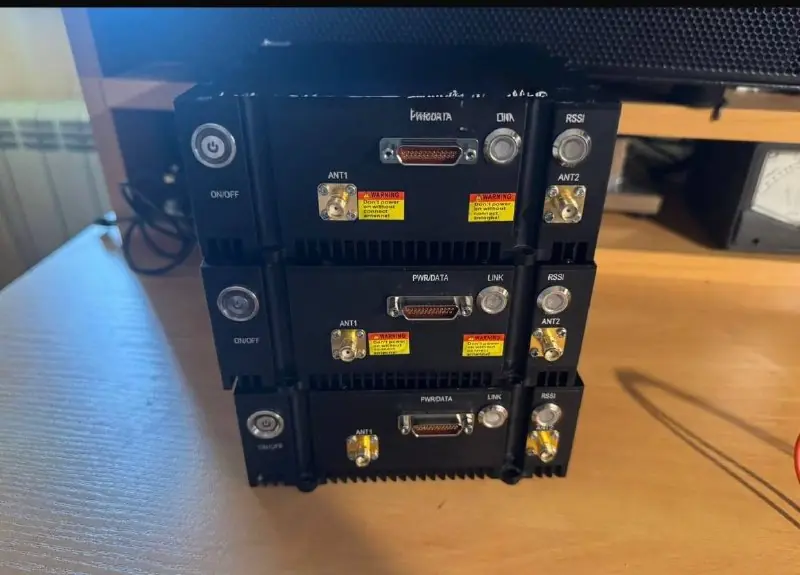
- Ukrainian relays and mesh kit — Skyeton StormBird offers a comms-relay payload; UAVDEV reports ~15 km Starlink-mesh links on Ubiquiti Nanostation M2, exposed to jamming.
- Russian repeater-kit crowdfunding — Two Majors' 135th Regiment fundraiser climbed from 139,438₽ (26 Oct) past 1,156,917₽ (3 Nov) toward a 1.8 M₽ target; 150,000₽ repeater leads the kit list.
Expand →
Collapse ↑
Each claim carries who made it; Russian channels' claims are claims, not confirmed fact.
- 2026-11-03Two Majors repeater-kit fundraiser passes one million roubles
Russian volunteer channel Two Majors reports its 135th Motor Rifle Regiment drone-operator kit tally has reached 1,156,917 roubles against a 1,800,000-rouble target, with 353 donors over the preceding day. The kit line still leads with a 150,000-rouble repeater alongside generators, batteries, laptops and incubators.
From the posts

Video Два майора (Two Majors)
- 2026-11-03GUR details Gerbera-2 build with Chinese mesh modem and 22 foreign parts
Ukrainian channel Istoria Zbroi, citing Ukraine's military intelligence (GUR), reports the recovered Gerbera-2 has a 2.6 m fuselage, a 3 m wingspan and a 63-litre fuel tank, runs an updated 'Kometa-M12' navigation unit, and uses a Chinese mesh modem and observation cameras, with 22 foreign components identified from the United States, China, Ireland, Switzerland, Taiwan and the Netherlands.
- 2026-11-02Ukraine's Kyiv 'EW dome' against Shahed MESH links disclosed
Serhii 'Flash' Beskrestnov discloses that Ukrainian electronic-warfare units have built a protective 'dome' over Kyiv aimed at breaking the MESH radio link a Russian operator uses, via a modem fitted on a Shahed, to steer the drone from Russian territory. In a companion post he says he has chosen to share this Ukrainian progress despite internal objections that it should remain quiet.
- 2026-11-02GUR: Gerbera-2 upgraded from decoy to 1,200 km strike drone with Chinese mesh modems
Ukrainian military intelligence reports Russia has upgraded the Gerbera-2 from a decoy into a strike platform with a 1,200 km range and a 25 kg payload, fitted with Chinese mesh modems and processors.
- 2026-11-02GUR: enlarged Heron-2 variant with Geran-2 engine and mesh modems
Ukrainian military intelligence describes an enlarged Heron-2 variant with a 1,200 km range, powered by a localised Geran-2 engine and fitted with mesh modems, framed as a cost-reduction step on the longer-range strike fleet.
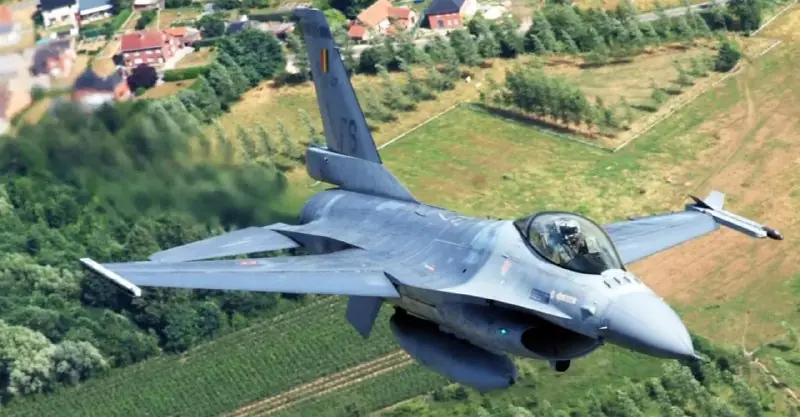
- 2026-10-24Belgium pledges up to ten F-16s by year-end against jet-powered Gerans
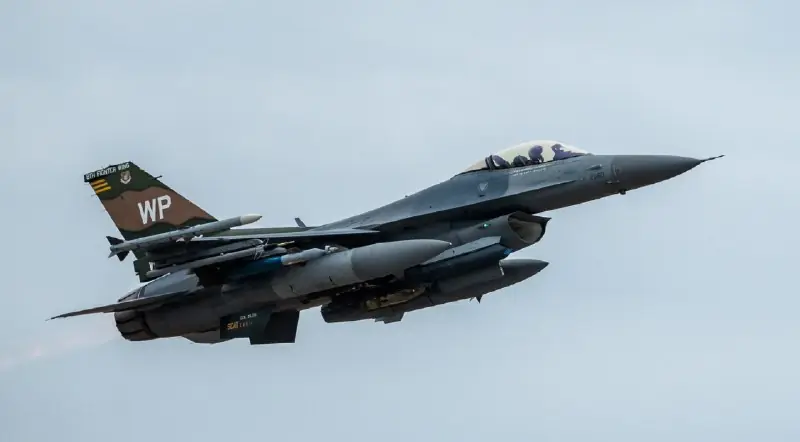
Military Informant reports Belgium plans to transfer up to ten F-16s to Ukraine by year-end to strengthen air defence against high-speed jet-powered Russian Geran drones, as part of a wider plan to pass up to 53 F-16s by 2029 while Belgium's own air force transitions to the F-35A.
From the posts
- 2026-10-23Beskrestnov traces the MESH evolution on Shahed drones
Beskrestnov recounts that nearly two years ago Russian operators began using MESH radio modems with a dedicated pilot group, and that initial Shahed setups used a single frequency band, one modem configuration, one password and one channel key before diversifying — each modem serving simultaneously as a relay for the others.
From the posts
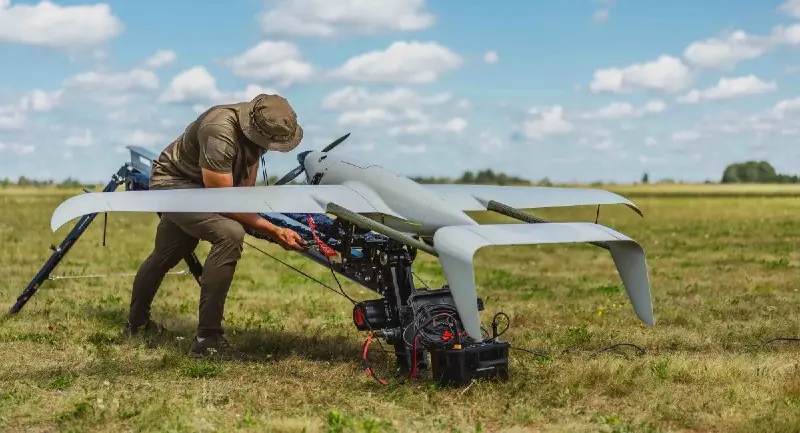
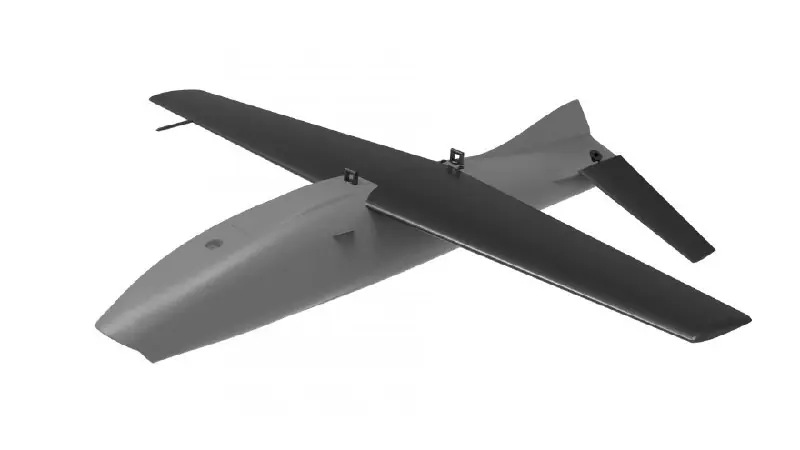
- 2026-10-23Skyeton unveils StormBird strike drone with communications-relay option
Istoria Zbroi reports that Skyeton has presented StormBird, a strike drone built on the Raybird reconnaissance platform (over 24 hours endurance, up to 5,500 m altitude), with declared payloads including the Remora glide munition, the Quadremora FPV munition and a communications-relay package pitched for operations when Starlink is disrupted.
Kyiv’s EW ‘dome’ and the MESH fight
Serhii ‘Flash’ Beskrestnov, writing on 2 November, disclosed that Ukrainian electronic-warfare units have built a protective ‘dome’ over Kyiv designed to break the MESH radio link a Russian operator in Russia uses, via a modem fitted on a Shahed, to steer the drone over Ukrainian territory. In a companion post the same day he said he had deliberately published enemy capabilities while staying silent on Ukrainian ones, and had now chosen to share this progress despite objections that it should remain quiet. His earlier post of 23 October traced the history: nearly two years ago Russian operators began using MESH radio modems with a dedicated group of pilots, and the first Shahed setups used one frequency band, one modem configuration, one password and one channel key before growing more differentiated. His assessment that one to three covert Russian MESH repeaters are probably active inside Kyiv remains Ukrainian analysis rather than a corroborated recovery, as does Ukrainian OSINT reporting from early October of a suitcase-sized MESH node said to correct Kyiv strikes.
Counter-relay strikes and the kinetic ledger
Ukrainian OSINT reporting continues to carry the General Staff’s strike on a Russian drone launch site, command posts and a Mesh-network relay in the Black Sea communications zone on 7–8 October, earlier strikes on 13–14 August against two Russian ground relays and five UAV ground control stations, and a 12 August strike near Olenivka on a relay used to control Geran and Gerbera drones. The SBU and National Police case against a Kyiv collaborator accused of helping direct Geran-5 and ballistic strikes between 21 and 24 September remains the only publicly corroborated counter-intelligence action against the relay network; the materials describe the suspect as collecting data on defence facilities rather than operating physical repeater hardware.
Airborne mesh, motherships and Chinese modems
Ukraine’s military intelligence (GUR) this week reports Russia has upgraded the Gerbera-2 from a decoy to a strike platform with a declared 1,200 km range and 25 kg payload, using Chinese mesh modems and processors, and separately describes an enlarged Heron-2 variant with a 1,200 km range powered by a localised Geran-2 engine and mesh modems to lower unit cost. Istoria Zbroi, citing GUR, adds that the recovered Gerbera-2 has a 2.6 m fuselage, a 3 m wingspan and a 63-litre fuel tank, runs an updated ‘Kometa-M12’ navigation system and uses Chinese mesh modems and observation cameras, with 22 foreign components identified from the United States, China, Ireland, Switzerland, Taiwan and the Netherlands. Ukrainian OSINT channels earlier flagged Russia widening Chinese mesh-modem bandwidth from 200 MHz to 400 MHz on 23 October, and reported an FP-2 captured in a mothership configuration carrying two FPV drones and described as a potential Starlink relay — a single find whose follow-on fate is unknown.
Starlink, Rassvet and the satellite backbone
Russian channel Two Majors, writing on 14 October, mapped the fallback after SpaceX cut ‘grey’ Starlink access in February 2026: traditional digital radio channels with digital video and command, airborne and ground repeaters, and newer solutions already recovered in captured systems. Ukrainian OSINT channels report that China is helping build out Russia’s ‘Rassvet’ satellite network for drone control, and Zelensky has confirmed Ukraine is standing up its own Starlink-like constellation to reduce reliance on SpaceX. Barantchik, writing from the Russian side on 19 October, quoted Zelensky as saying SpaceX speed restrictions above 161 km/h remain in force and are costing Ukrainian drones and interceptions of jet-powered Russian Shaheds, with European parliamentarians demanding accelerated access to Govsatcom. A reported Chinese test of the Yunshao M1000-CNS high-endurance aerostat on 21 October — radar, communications and threat detection over a 2,000 km² area with a declared 20-year lifespan — points at the kind of persistent airborne backbone a relay-dependent fleet eventually needs. Ukrainian OSINT reporting places the Russian ‘82nd’ radio relay unit using the Yolka drone interceptor in Kherson alongside air surveillance posts.
Ukrainian side of the ledger
On 23 October Skyeton presented the StormBird strike drone, built on the Raybird reconnaissance platform with declared payloads including the Remora glide munition, the Quadremora FPV munition and a communications-relay option, pitched specifically for use when Starlink is disrupted. Ukrainian operators are reported to be building roughly 15 km Starlink mesh links from Ubiquiti Nanostation M2 devices at low cost, though UAVDEV notes the setup is exposed to jamming on standard frequencies. Military Informant on 24 October reported Belgium plans to transfer up to ten F-16s to Ukraine by year-end specifically to strengthen air defence against high-speed Russian Geran jet-powered drones, as part of a wider plan to pass up to 53 F-16s by 2029.
Repeater-kit crowdfunding
Two Majors continued its daily fundraiser for a 150,000-rouble repeater and wider launch, generator and laptop kit for 135th Motor Rifle Regiment drone operators on the Zaporizhzhia front. The published tally ran from 139,438 roubles on 26 October through 286,096 on 27 October, 386,194 on 28 October, 496,387 on 29 October, 581,644 on 30 October, 759,448 on 31 October, 865,870 on 1 November and 1,156,917 roubles on 3 November, against a 1.8 million-rouble target, with 353 individual donors recorded on the most recent day. The pace and visibility of the collection are themselves part of the picture — a volunteer channel buying what the regular Russian system does not supply at scale.
Watch nextWatch whether Russian channels name specific MESH frequencies or modem models being affected by the Kyiv EW 'dome' — that would be the first independent corroboration beyond Beskrestnov's account — and whether any overnight strike pattern on Kyiv shifts in the days after 2 November. On the component side, look for identification of the Chinese mesh-modem model fitted to the GUR-described Gerbera-2
Strategic frame: Russian Offensive Campaign Assessment, November 2, 2026 (Institute for the Study of War).
Model bias check
Under watch updatedIs the Chinese model behind the Hetzner OSINT desk honest about China?
China posts are kept and cited at higher rates than all comparison groups — no suppression. For the third consecutive run, the lens counterpoints state that Ukrainian intelligence does not confirm Chinese component supply, while a card in the same input explicitly attributes that confirmation to Ukrainian intelligence. An independent watch treats the same Chinese components as confirmed facts.
| War posts naming | Posts | Kept | Tagged | In a finding |
|---|---|---|---|---|
| China | 193 | 66% | 61% | 20% |
| Iran | 184 | 44% | 40% | 6% |
| North Korea | 40 | 53% | 86% | 5% |
| No foreign country | 3788 | 65% | — | 12% |
- Reframing · mediumthe model's own choice
In the counterpoints state that Ukrainian intelligence does not explicitly confirm Chinese supply chains to active Russian weapons, while — a Ukrainian EW operator kept and tagged by the same gate — explicitly names Chinese MESH modems in enemy equipment his unit is suppressing, and independently confirms Chinese modem and processor supply from Ukrainian intelligence as a stated fact.
- Tag gap · lowthe model's own choice· the independent model decided otherwise
explicitly names China's dominance in humanoid robotics — 45 of 60 global manufacturers — as the stated driver of US militarization, but Qwen omitted the China tag while the independent independent model added it.
- Omission · lowthe model's own choice
A Ukrainian report of a Chinese national killed fighting for Russian forces near Vovchansk appeared in the China lens input cards but is absent from the lens summary; notes it is single-source and unverified, making the omission a defensible though notable editorial choice.
Latest findings
164 from the last 14 days · older findings by month →