Sukhoi
Sukhoi traces back to 1939, when the Soviet aviation engineer Pavel Sukhoi was given his own design bureau — OKB-51 — after years working under Andrei Tupolev. The bureau was shuttered in 1949 and revived in 1953, becoming one of the two pillars of Soviet fighter design alongside Mikoyan. Today JSC Sukhoi Company is headquartered in the Begovoy District of northern Moscow and sits inside United Aircraft Corporation, the state-owned holding that consolidated most of Russia’s fixed-wing aviation industry in 2006. Its airframes are built principally at the Komsomolsk-on-Amur Aircraft Plant in Russia’s Far East, with Novosibirsk handling the Su-34 line.
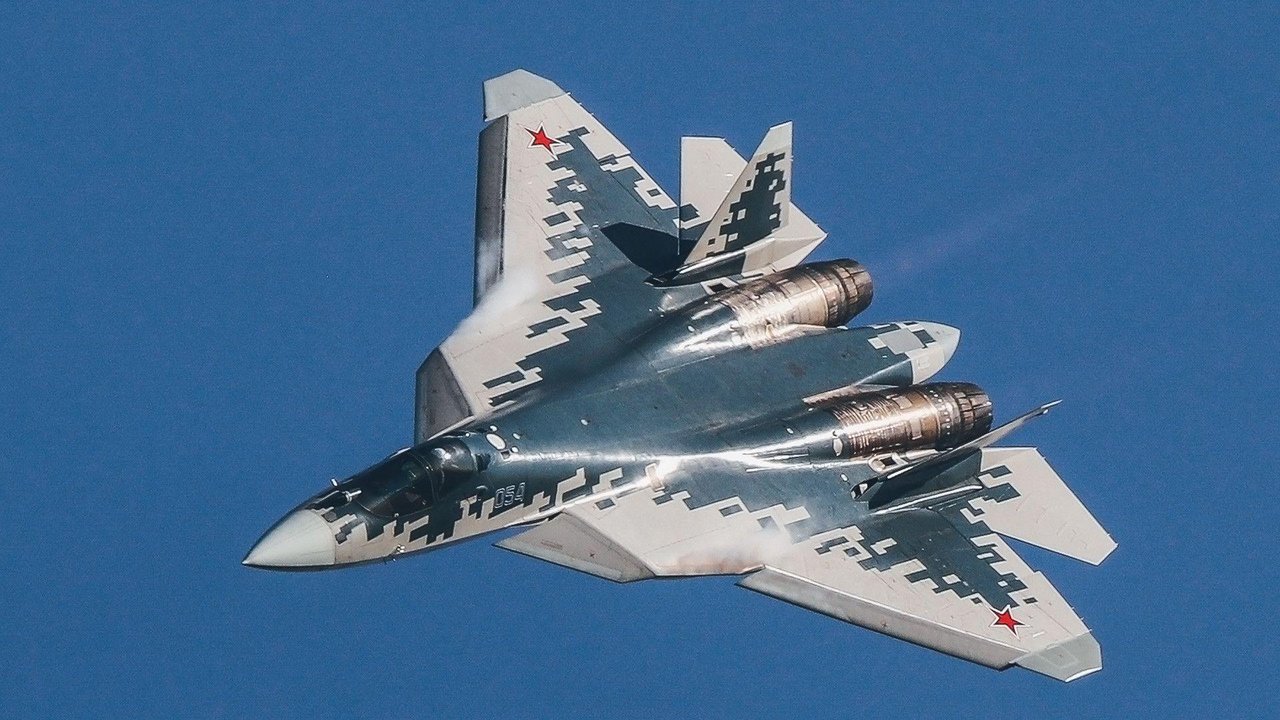
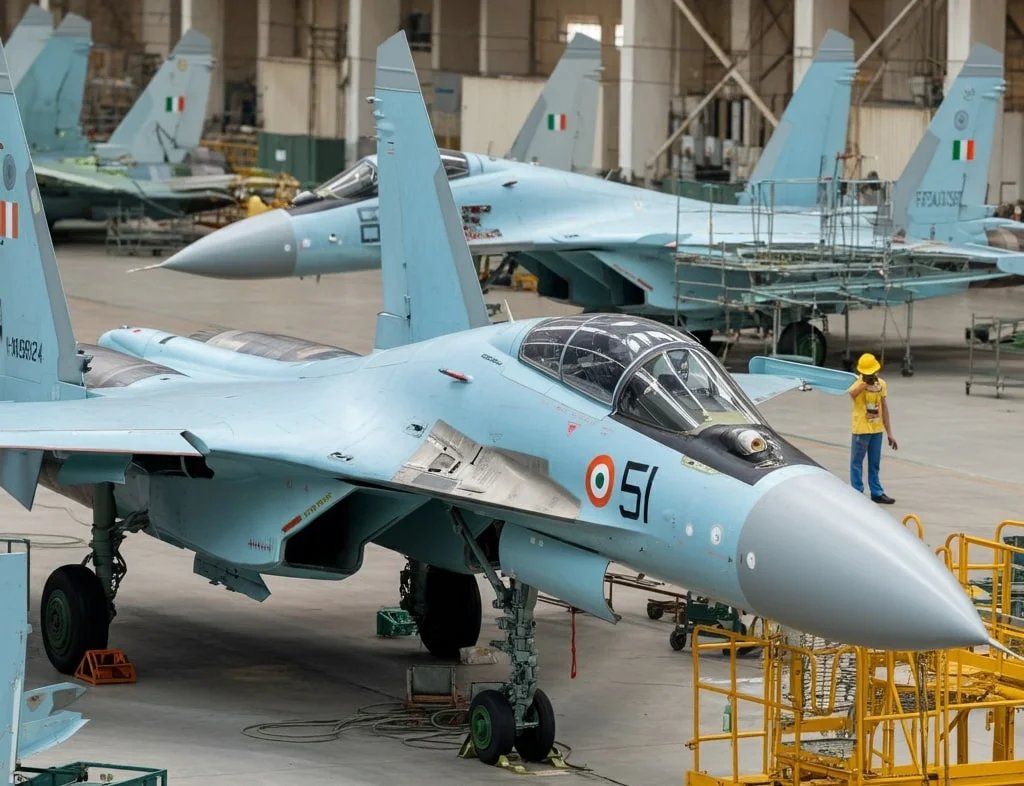
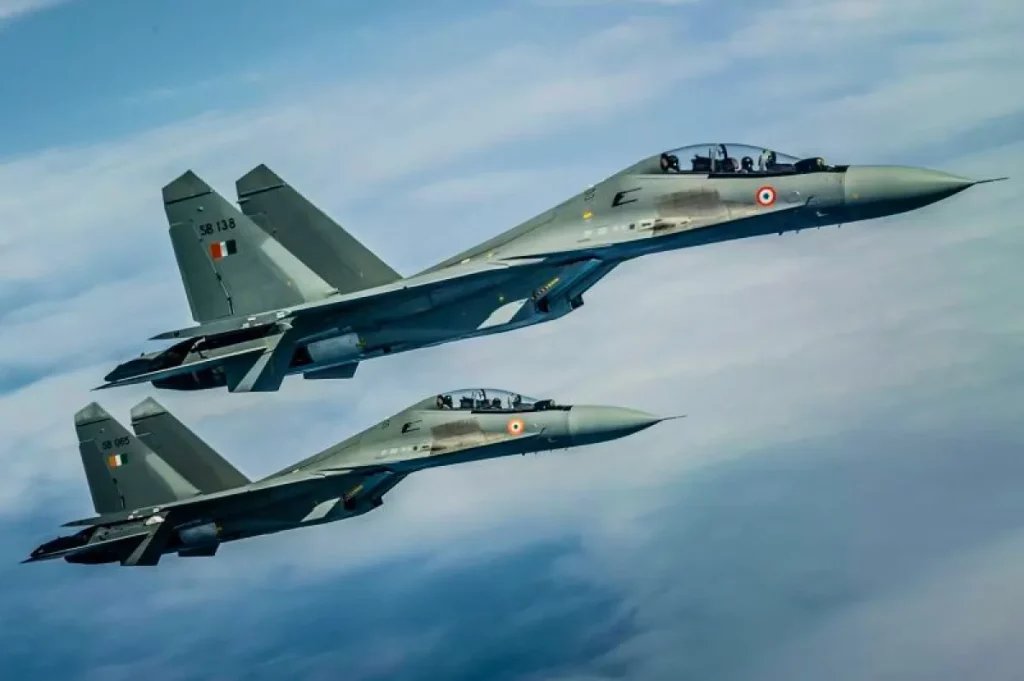
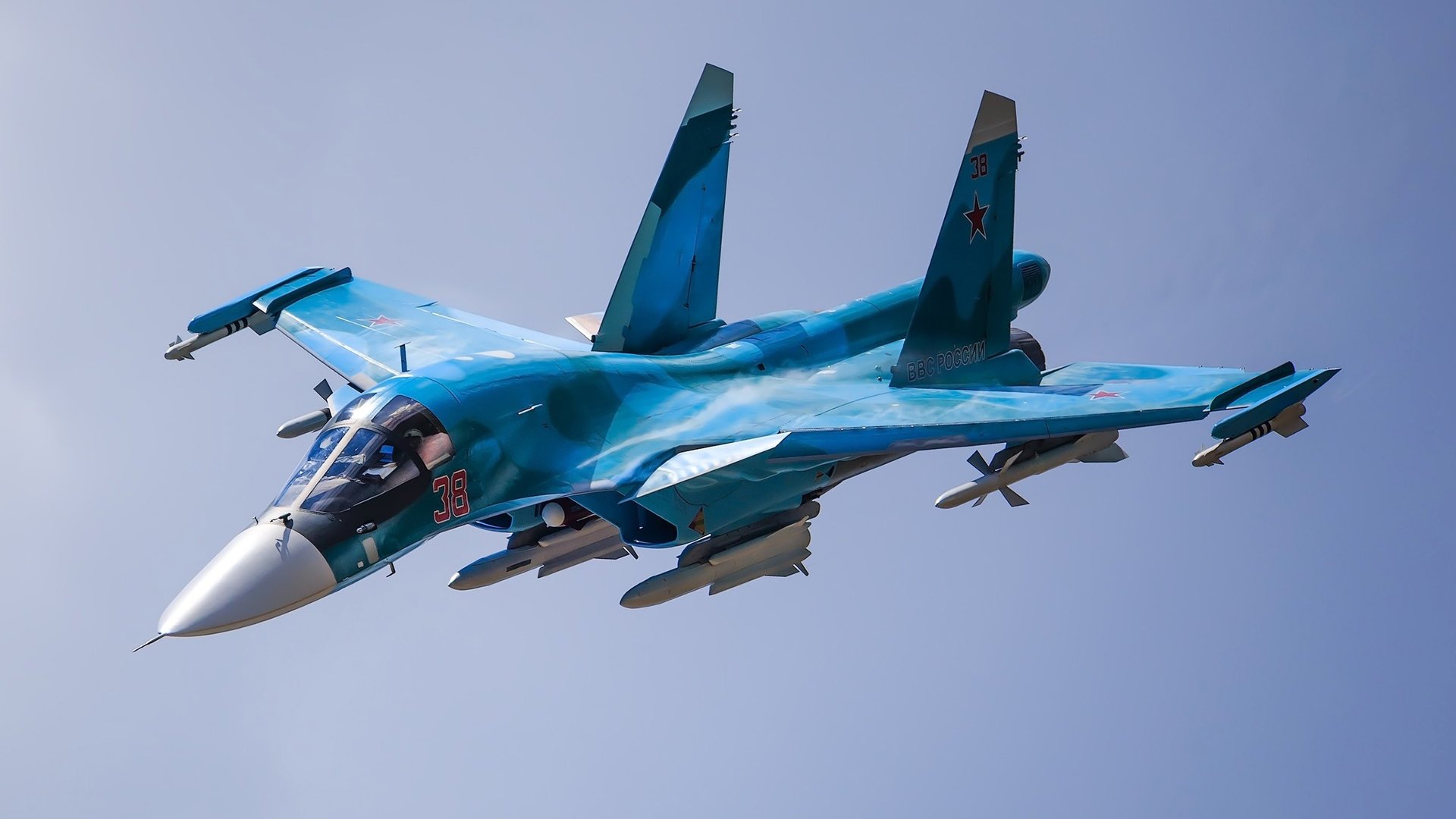
The design bureau’s portfolio is the backbone of Russian combat aviation. The Su-24 Fencer swing-wing bomber, the Su-25 Frogfoot close-support jet, and the Flanker family — Su-27, Su-30, Su-34, Su-35 — have formed the bulk of Russian tactical airpower since the late Soviet period and have been exported widely, with Flanker variants fielded by China, India, Algeria, Vietnam, Indonesia and others. Sukhoi also designs the Su-57, Russia’s fifth-generation stealth fighter and the product of the PAK FA programme launched in 1999. The company reports the Su-57 entered service in 2020; according to Defense News, more than 44 aircraft had been built by 2026, including ten test airframes — production the manufacturer has publicly described as behind schedule.
Operators are overwhelmingly the Russian Aerospace Forces, which fly every Sukhoi type in frontline service. Algeria is the only confirmed export customer for the Su-57, with deliveries announced by Russian officials. Bids to India, South Korea, Brazil, Turkey and the UAE did not land in orders. Sukhoi aircraft have been used extensively in the war in Ukraine; multiple Su-34s, Su-25s and at least one Su-57 are claimed as lost by Ukrainian forces, with wreckage and satellite imagery supporting several of the Su-34 and Su-25 cases. Sanctions imposed since 2022 have restricted Russian access to Western avionics components, and Western and Ukrainian analysts have pointed to this as a factor in the slow Su-57 ramp-up; Russian officials dispute the characterisation.
The Ukraine war has drawn Sukhoi airframes into the drone story in two directions. Russian Telegram channels reported in September 2026 that Russian strike drones hit decoy Su-24Ms at Saki air base in occupied Crimea, aircraft previously damaged in Ukrainian strikes and reused as electronic-warfare targets — a claim carried by milbloggers and not independently confirmed. Ukrainian channels around the same period described crowdfunding for mid-range strike drones aimed at Russian logistics into Crimea, part of a broader shift toward long-range unmanned systems that have been engaging the airfields where Sukhoi aircraft are based.
Sukhoi’s position in the field is distinctive for being almost entirely captive to one customer in one war. Export prospects have narrowed with sanctions and with the public performance of Russian airpower against Ukrainian ground-based air defences, and the company’s near-term output is tied to how quickly the Komsomolsk line can turn out Su-57s and Su-34s while sourcing around the components it no longer gets from the West.