Matrix UAV
Builds heavy multirotor bomber drones (Vampire / Baba Yaga class) used for night strikes against Russian positions.
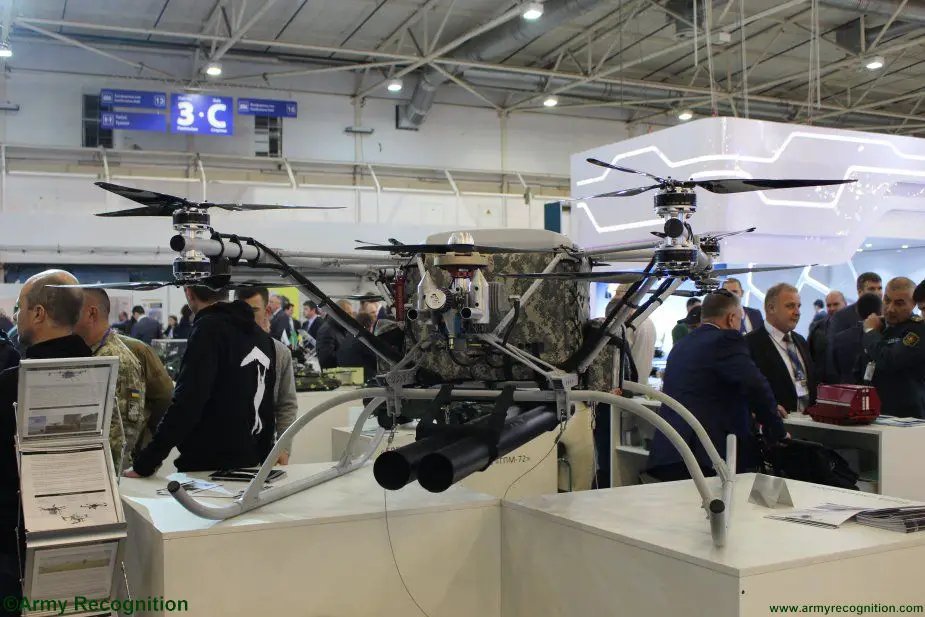
Matrix UAV — the trading name of the Kyiv-based design bureau Matrytsia Tekhnolohii (“Matrix of Technologies”) — is a Ukrainian unmanned-aerial-vehicle manufacturer that grew out of a wartime volunteer collective. Its engineers began as enthusiast aviators building simple reconnaissance aircraft, multicopters and ground-control equipment from public donations, handing the finished machines to the Ukrainian armed forces and training soldiers to operate them. Several of them spent long stretches at the front as volunteer UAV operators themselves. The project is curated by Yurii Kasyanov, a prominent figure in Ukraine’s volunteer drone movement who has publicly presented the firm’s successive prototypes.
The product line splits into three strands. The first is a family of light fixed-wing reconnaissance drones intended for aerial surveillance and aerial photography, pitched by the company as easy to operate and quick to deploy. The second — and by now the better-known — is a line of heavy multirotor platforms built for high payload and varied civilian or military roles. The third is a tethered variant that draws power from the ground, offering effectively unlimited loiter time for persistent observation, signal relay and target designation. The company credits combat experience under Russian anti-aircraft fire and electronic-warfare suppression for shaping each successive iteration.
The flagship of the heavy segment is a multirotor platform called Komandor (“Commander”), fitted with a hybrid powertrain. According to Matrix UAV, the first version carries a 30 kg payload for about an hour. Kasyanov has publicly presented later variants with a larger number of motor units and reinforced construction, including a configuration shown with two guided anti-tank missiles mounted beneath the airframe. The bureau also describes civilian derivatives of the same frame — a fire-suppression variant carrying an extinguisher, pitched for high-risk incidents at fuel stations or ammunition depots, and agricultural fits for fertiliser dispersal and pest treatment. Dual-use positioning of this kind is common among Ukrainian defence-tech firms formalised during the war.
Matrix UAV presents itself as a science-and-production outfit and reports somewhere between roughly twenty and eighty specialists on its own hiring profile. It is a member of the Association of Armament and Military Equipment Manufacturers of Ukraine (AUDM), the industry body that groups firms supplying the armed forces and acts as an interlocutor for foreign buyers and investors. The company does not publish contract values, customer lists or production figures, and Ukrainian procurement data for heavy multirotor acquisitions is largely held under wartime classification; the available public record is therefore the firm’s own technical disclosures and press demonstrations rather than confirmed order quantities.
Within Ukraine’s crowded heavy-lift drone segment — where volunteer workshops, long-standing hobby-aviation clubs and newer venture-backed startups now overlap — Matrix UAV sits on the engineering-bureau side rather than on mass manufacturing. Its public standing leans on prototype demonstrations, the credentials of its wartime track record and the recognisability of its curator, rather than on headline contract wins. That is in keeping with a company whose roots are in the volunteer movement that preceded Ukraine’s formal defence-tech sector, and which continues to iterate from direct battlefield feedback.
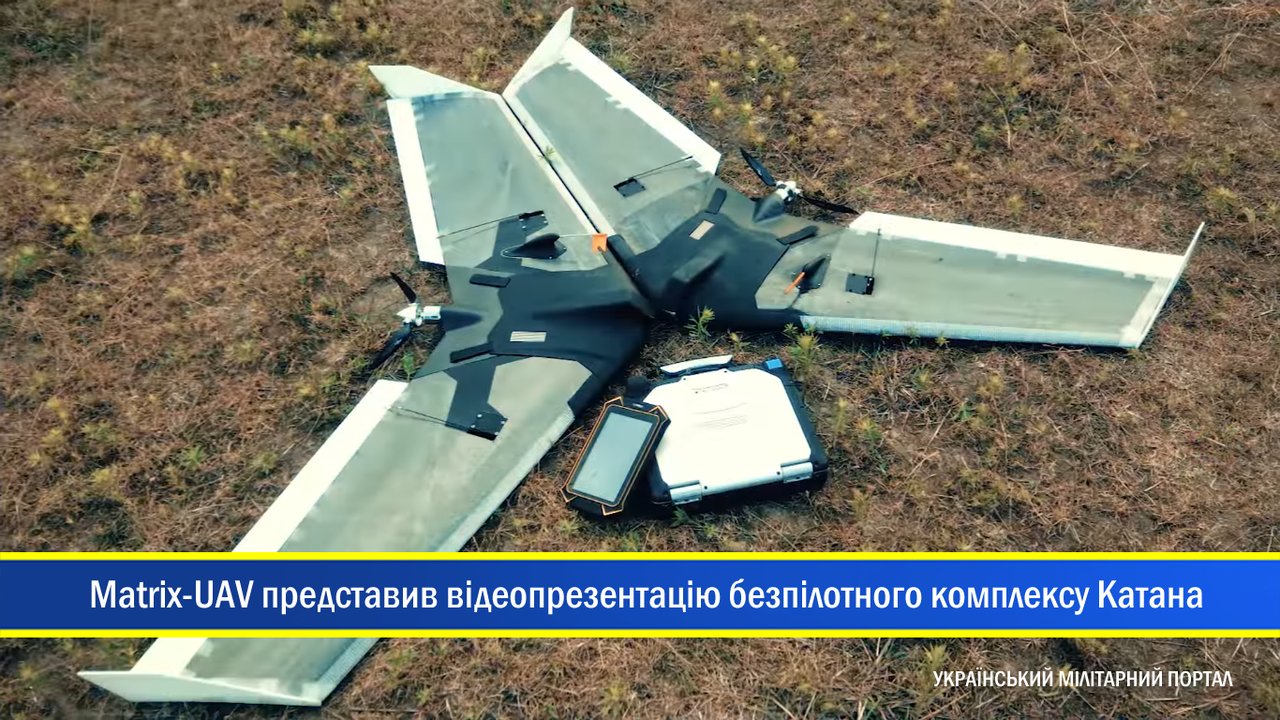
Products
Drones
Chimera-H
Hybrid-propulsion heavy multirotor with up to four hours of endurance for ISR, cargo delivery, and border surveillance.
Introduced 2018
Chimera-T
Tethered multirotor providing persistent aerial observation and secure retransmission without battery limits.
Introduced 2018