Kazan Helicopter Plant
Kazan Helicopter Plant traces its origins to September 1940, when Soviet planners stood up an aviation works in the Tatar capital of Kazan on the Volga. It began building helicopters in 1951 with the Mil Mi-1, the first serial-production rotorcraft in the USSR, and has operated continuously on the same site ever since. Today it sits inside Russian Helicopters, the rotorcraft arm of state conglomerate Rostec, and remains one of the two main helicopter producers in Russia alongside its sister plant at Ulan-Ude.
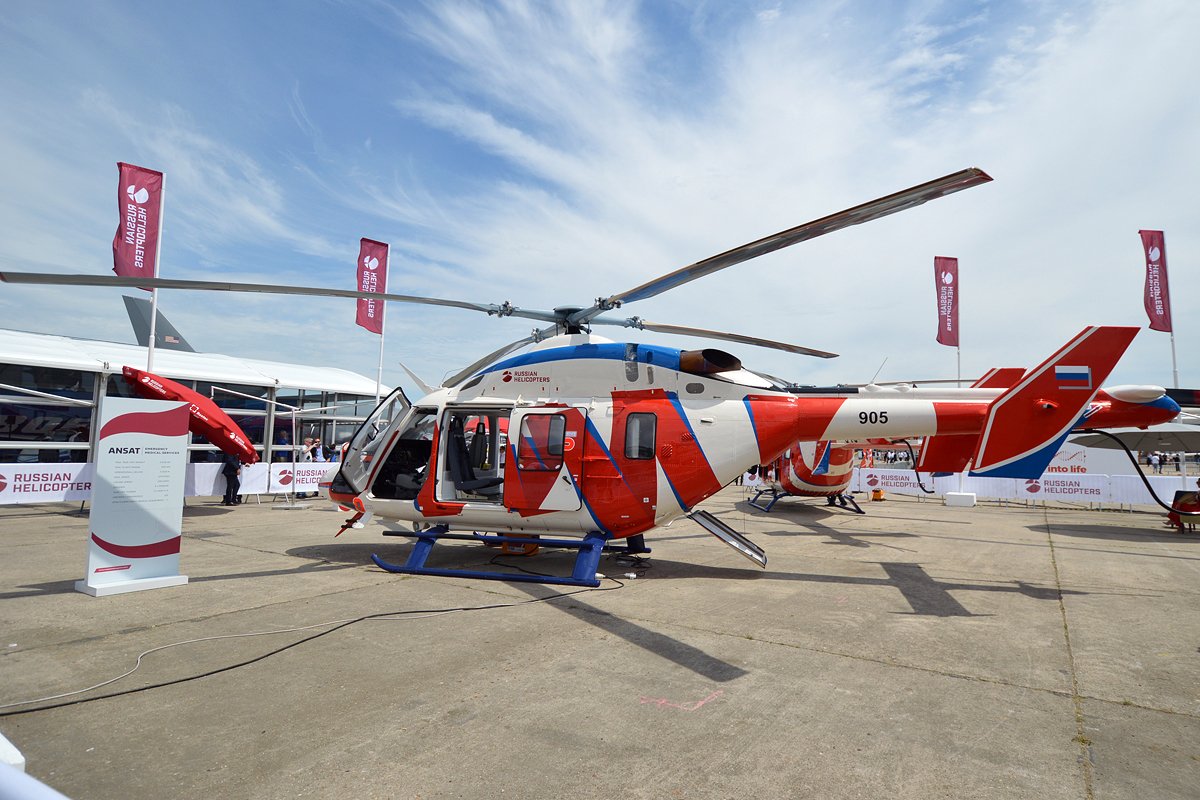
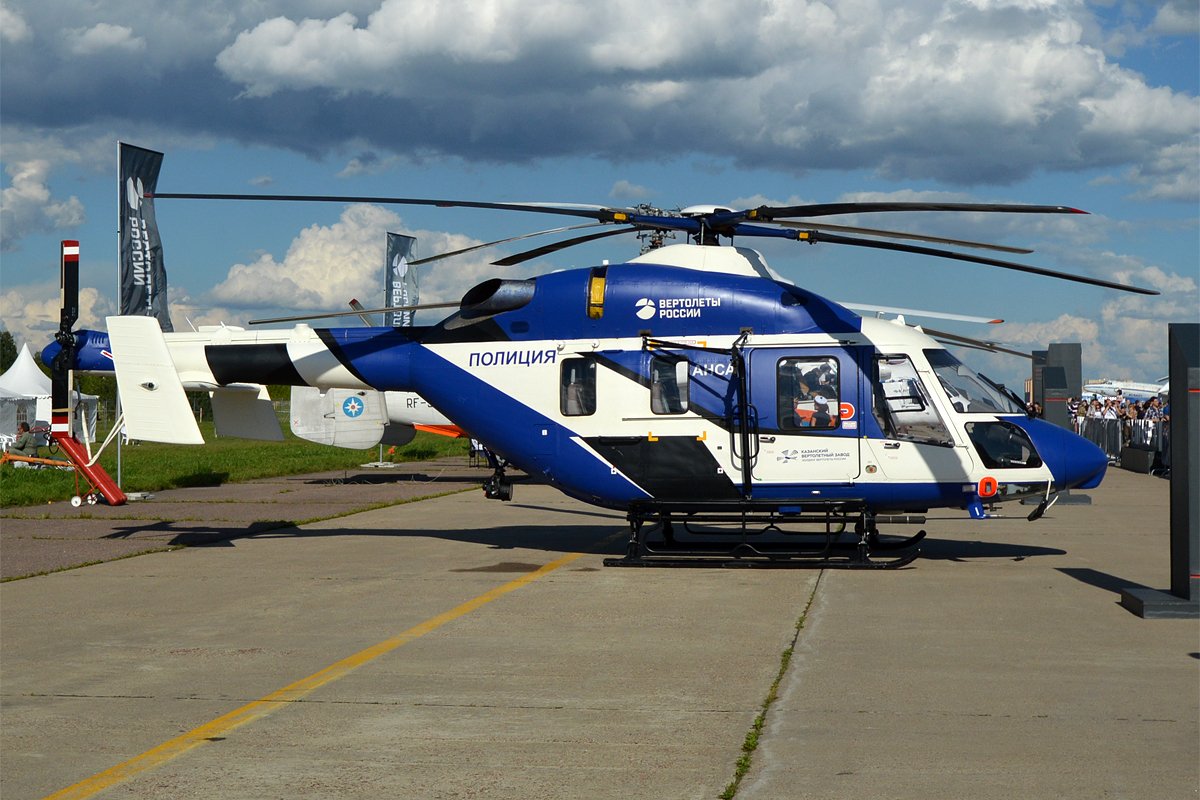
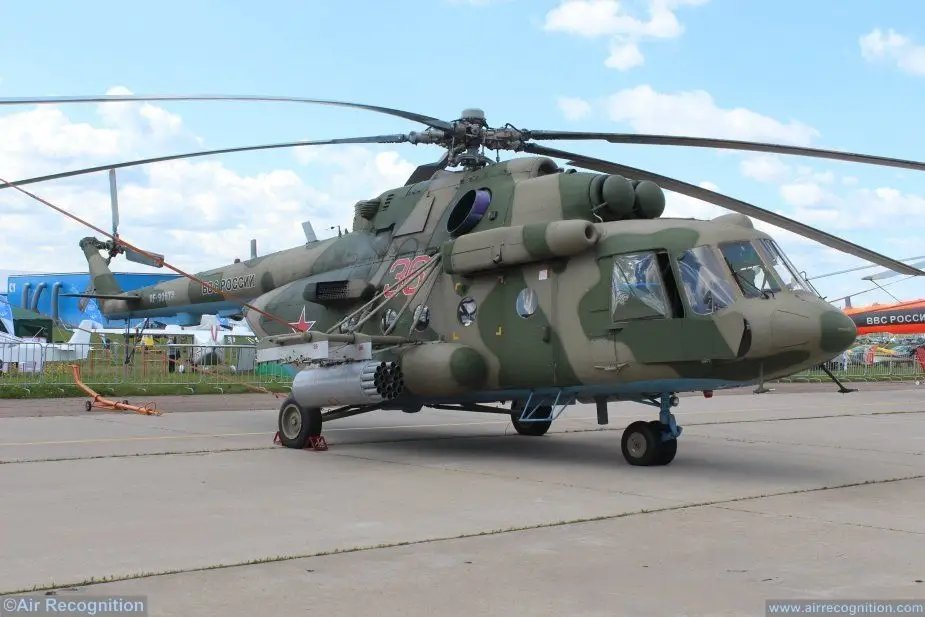
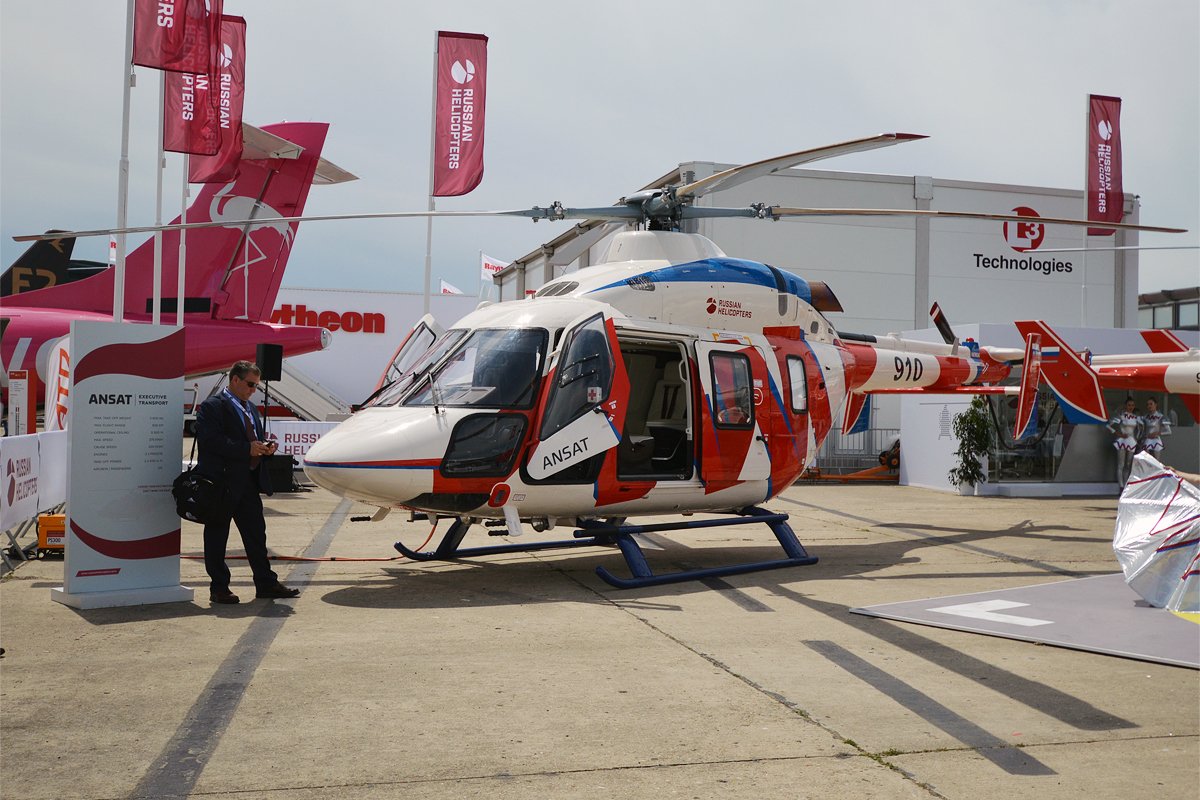
The factory’s output is dominated by the Mil Mi-8 and its export derivative, the Mil Mi-17 — the twin-turbine utility helicopter that is probably the most widely built rotorcraft of the post-war era. Kazan is the only facility that assembles the military version of the Mi-17, a type that has been exported to around a hundred countries, from India and Egypt to Venezuela and, until the US withdrawal, the Afghan air force. Alongside the Mi-8 and Mi-17 the plant builds the amphibious Mi-14, the heavy Mi-38, and the light twin Kazan Ansat, a design developed in-house in the 1990s that serves in both civilian emergency-medical and VIP roles and in a militarised Ansat-U trainer variant for the Russian armed forces. The plant has delivered more than 12,000 helicopters across its lifetime, with cumulative flight hours of the fleet comfortably past fifty million.
Financially the company is modest by Western prime standards: 2016 filings reported revenue of around $377 million against total assets of just over a billion, with net income near break-even. Those are the last widely cited figures from before the war, after which Russian Helicopters stopped publishing comparable accounts. The customer base has always leaned heavily on the Russian defence ministry and on export sales organised through state arms agency Rosoboronexport, with civil sales a secondary line.
Since Russia’s 2022 invasion of Ukraine, Kazan Helicopters has become one of the most comprehensively sanctioned manufacturers in the country. OpenSanctions lists active designations by the European Union, the United States (OFAC SDN list, Commerce Department entity listings, and SAM procurement debarment), the United Kingdom, Switzerland, Japan, Canada, Australia, New Zealand, Monaco, Belgium, France, and Ukraine. Taiwan placed the firm on its strategic high-tech commodities entity list in 2025. Western governments cite the plant’s role in supplying helicopters used in combat operations over Ukraine, including Mi-8 and Mi-17 variants employed for troop movement, resupply, and electronic-warfare and jamming duties close to the front.
Ukrainian channels and open-source investigators have repeatedly claimed strike damage at the Kazan complex during long-range drone campaigns against Russian defence industry, though the plant has not publicly acknowledged significant disruption and independent damage assessments remain limited. What is clearer is the industrial squeeze: Russian aviation outlets and sanctions-focused researchers have documented the firm’s attempts to replace Western avionics, bearings, and composite inputs with domestic or third-country substitutes, with uneven results. Kazan’s position in the Russian military-industrial base — as the sole military Mi-17 line and a core node of the rotorcraft sector — makes it one of the more closely watched sanctioned entities of the war.
Products
Integrated systems
Mi-8