Kamov
Kamov is a Russian rotorcraft manufacturer based in Lyubertsy, outside Moscow, best known for a lineage of helicopters built around coaxial contra-rotating rotors — a configuration that dispenses with the tail rotor and gives the aircraft a compact footprint well suited to shipboard operations. The firm traces its origins to 1929, when Nikolai Ilyich Kamov and N. K. Skrzhinskii began building rotary-winged aircraft together, including the TsAGI A-7 autogyro — the only armed autogyro to see combat. The design bureau was formally established in 1940 and has carried the Ka- prefix on every machine it has produced since. Kamov was acquired by Oboronprom in 2005 and in 2006 merged with Mil and Rostvertol into Russian Helicopters, the rotorcraft arm of the state conglomerate Rostec; the brand name survived the consolidation, though overlapping product lines were dropped.
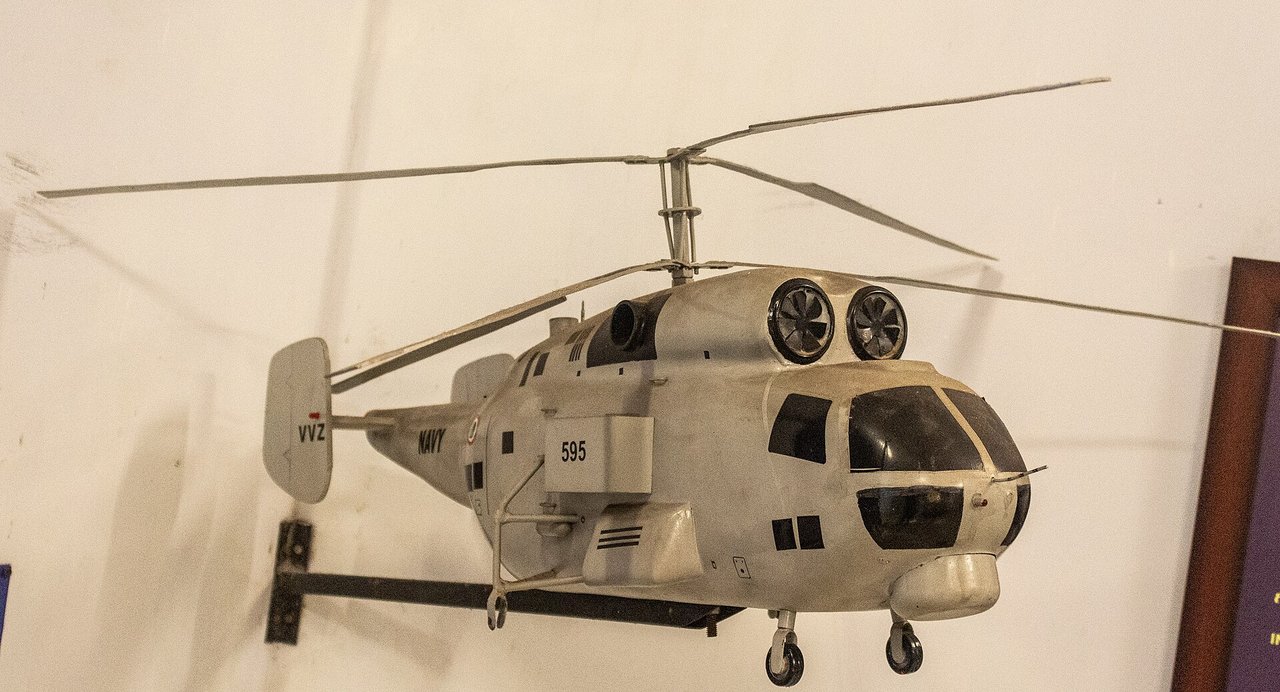
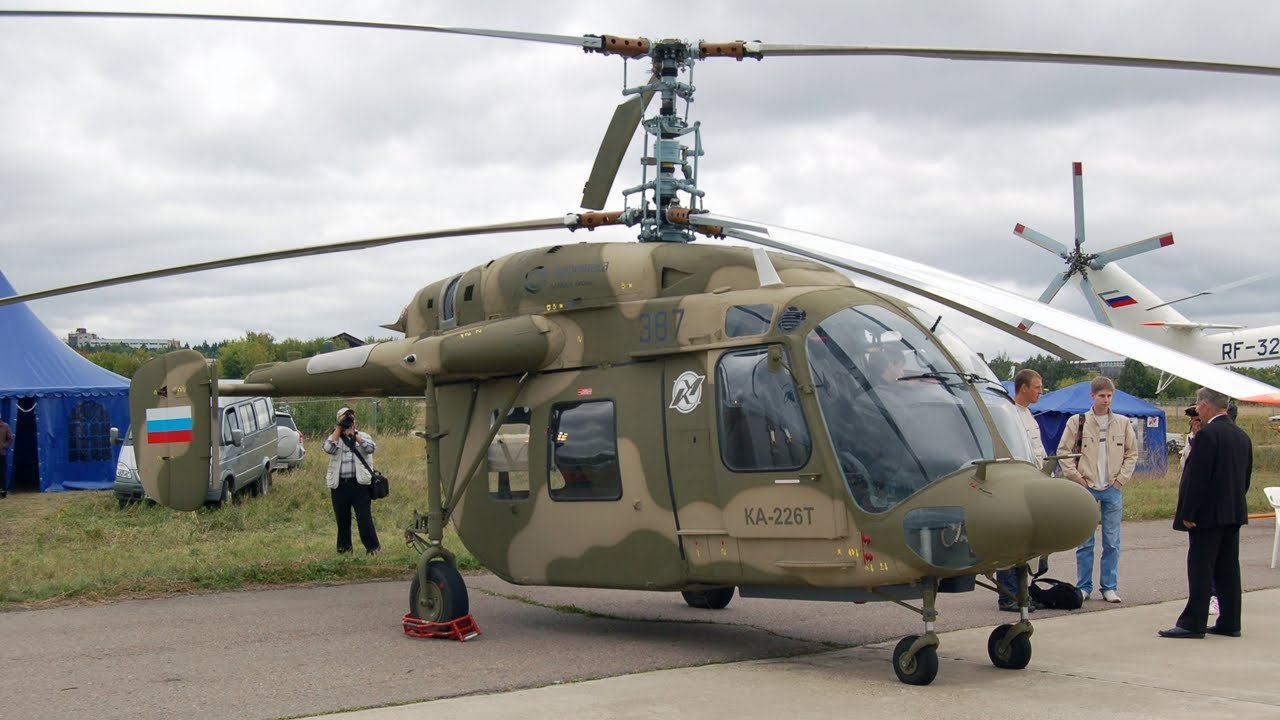
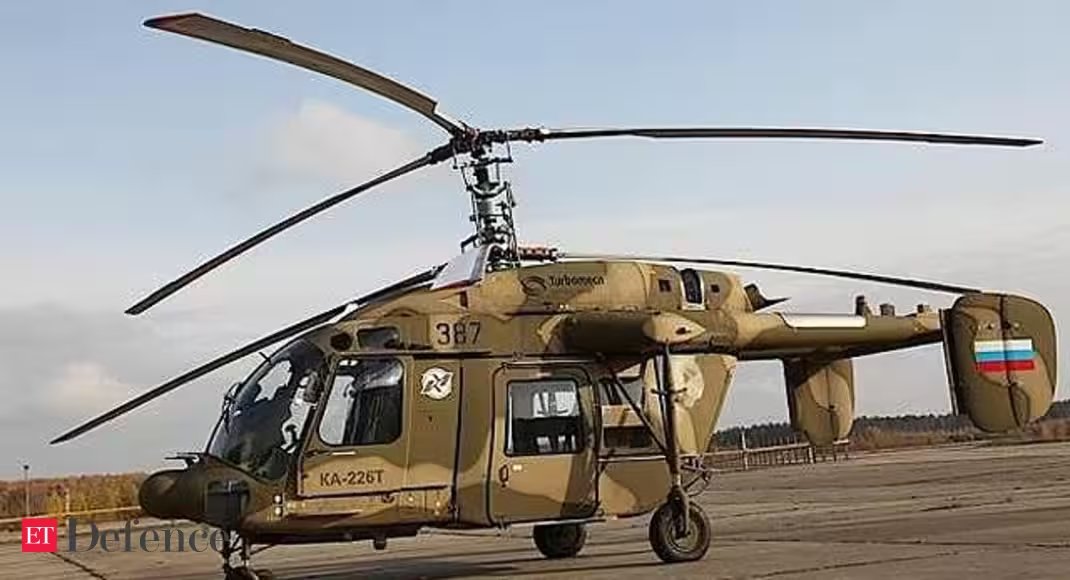
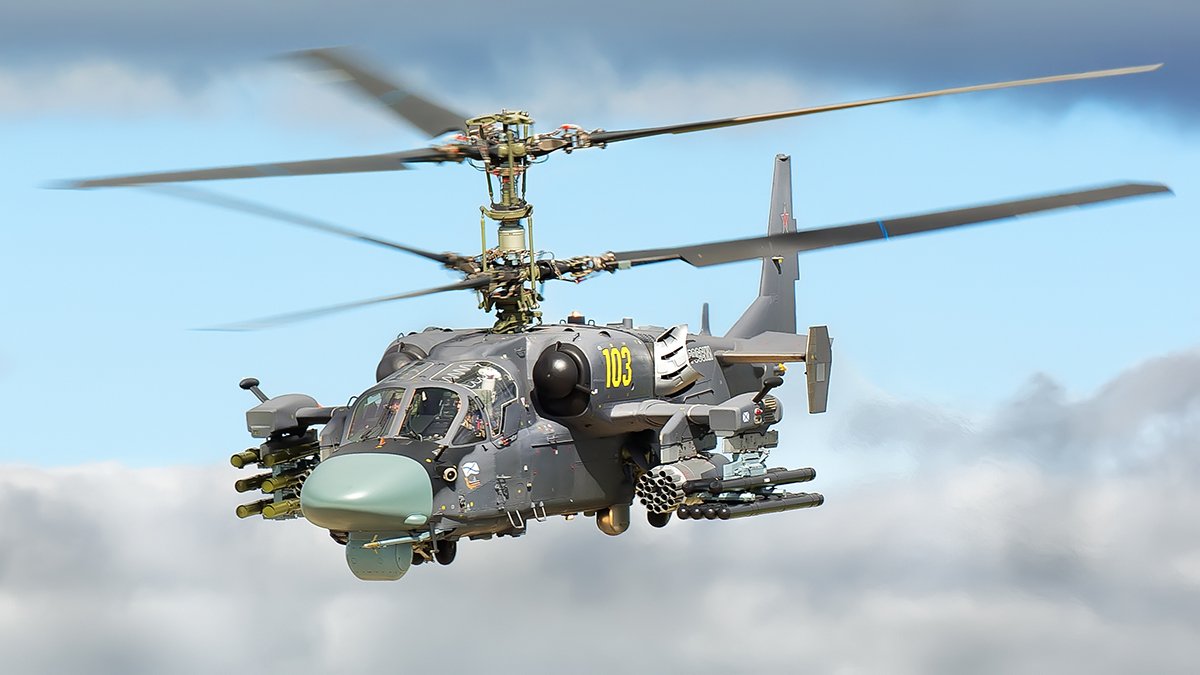
The firm’s catalogue divides along military and civilian lines. The naval family runs from the Ka-25 Hormone through the Ka-27 Helix and its derivatives — the Ka-28 for export, the Ka-29 assault transport, the Ka-31 airborne early-warning variant, and the Ka-32 civil version — all designed around deck handling on Russian frigates and cruisers. The attack line is anchored by the Ka-50 Black Shark, a single-seat gunship developed in the late Soviet period, and its two-seat successor the Ka-52 Alligator, which entered Russian Army service in the 2010s. On the civilian side, the Ka-26 piston utility helicopter, the turbine Ka-226, and the Ka-62 medium twin round out the range.
The Ka-52 is the Kamov product that has drawn the most attention since 2022. The type has been deployed heavily by Russian Aerospace Forces in Ukraine, where according to open-source footage, satellite imagery of airfields, and Ukrainian military statements, a significant number of airframes have been lost — Western defence analysts and Oryx’s visual-loss tracker have documented dozens of confirmed destructions or captures. Russian state outlets and the manufacturer credit the aircraft with destroying Ukrainian armoured vehicles during the summer 2023 counteroffensive using the Vikhr guided missile; Ukrainian sources contest the attributed tallies, and independent reporting treats both figures with caution.
Kamov is not a free-standing commercial entity in the Western sense. Its last publicly disclosed figures as a joint stock company, for 2017, listed revenue of $69.9 million and total assets of $292 million; subsequent accounts have been consolidated upwards into Russian Helicopters and Rostec. The parent group and its subsidiaries have been subject to extensive Western sanctions since 2014 and more sweepingly after February 2022, which the European Union and the United States say are intended to restrict access to foreign components used in Russian military aviation.
Kamov occupies an unusual niche in global rotorcraft: outside of Russia, few manufacturers have persisted with coaxial designs at full scale, and the design bureau’s naval work remains the backbone of Russian carrier-based and anti-submarine aviation. Its export footprint — Ka-27 and Ka-28 variants serving in Chinese, Indian, Vietnamese and Algerian navies — binds its reputation to a shrinking circle of customers aligned with Moscow’s defence trade.