Diehl Defence
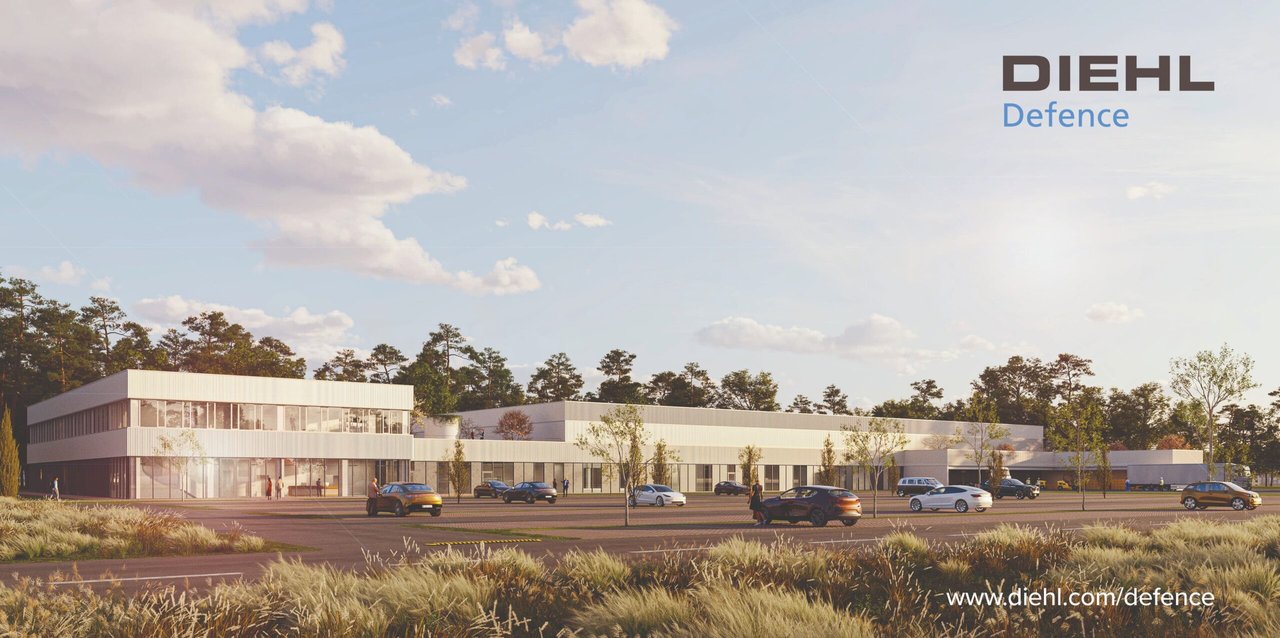
Diehl Defence GmbH & Co. KG is the defence arm of the Diehl Group, the family-controlled German industrial conglomerate Diehl Stiftung & Co. KG. The division is headquartered in Überlingen on Lake Constance and consolidates the group’s weapons business under one roof, with 18 locations across Germany and abroad. Diehl itself traces its history back more than a century, and the defence subsidiary has grown into one of the country’s larger armaments firms, reporting revenue of €2.33 billion for 2025 and a headcount of 5,406 employees.
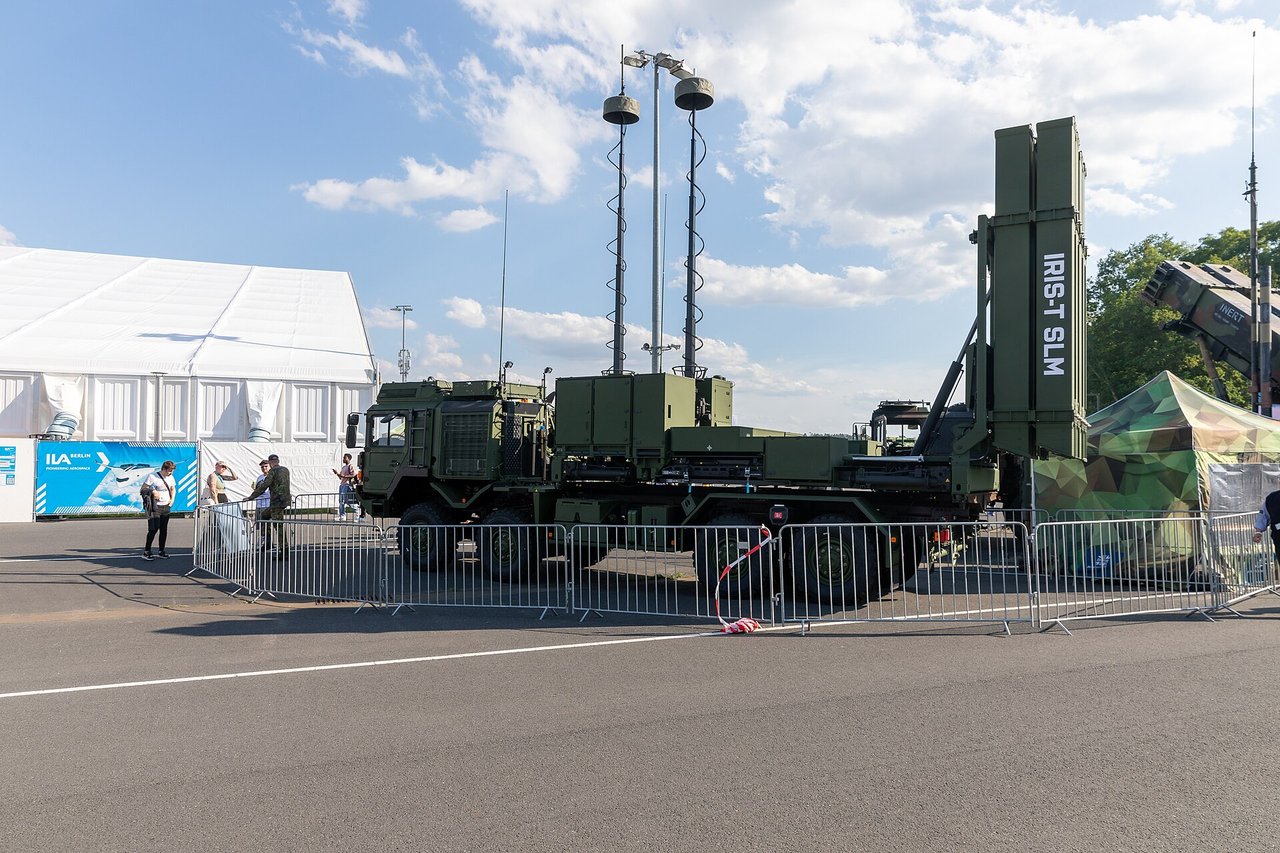
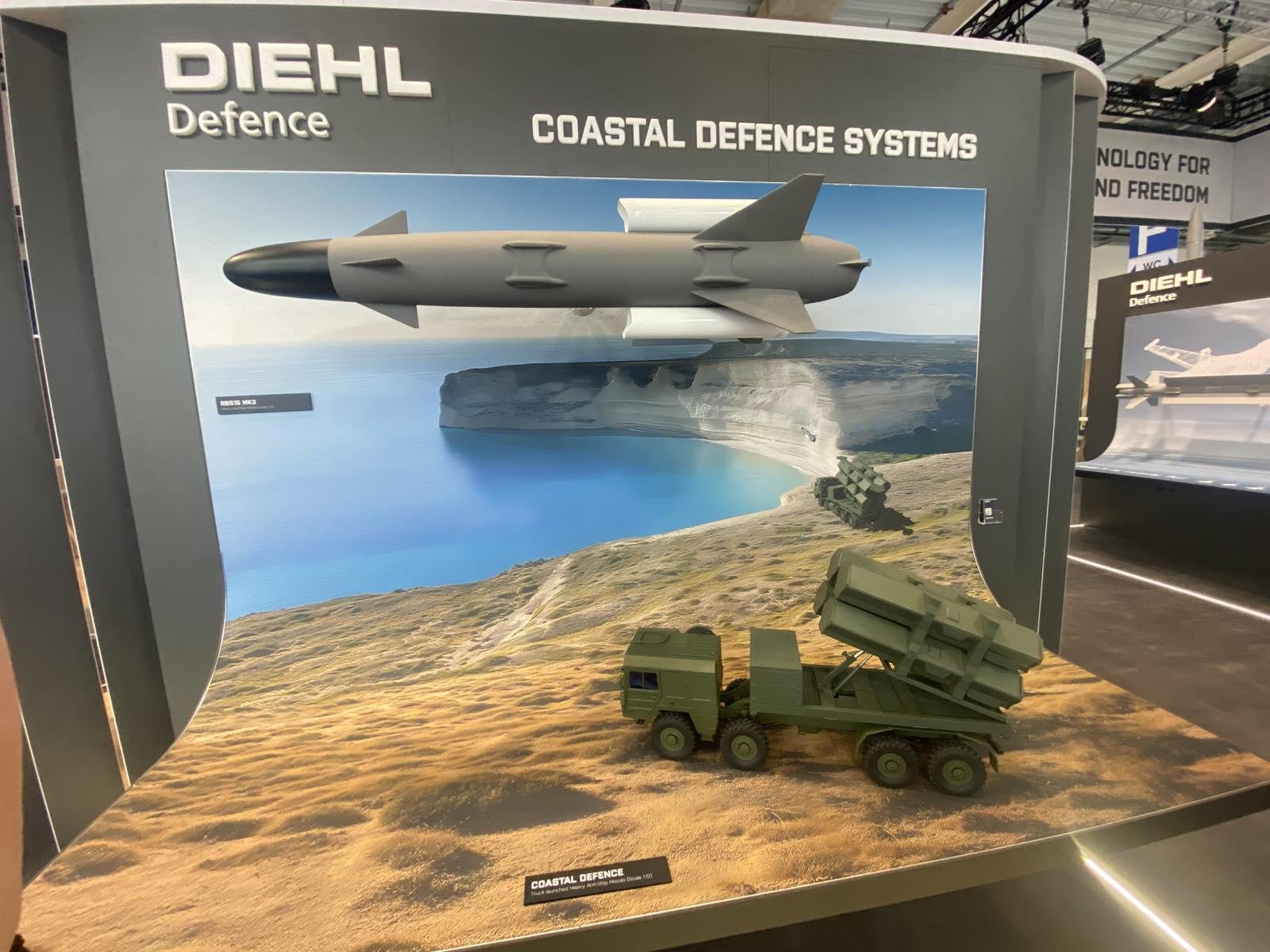
The product line is built around guided missiles and air defence, and it is the air defence end that has defined the company’s recent profile. Its flagship is the IRIS-T family, originally developed as a short-range air-to-air missile for the Eurofighter Typhoon and Tornado and since adapted into a modular ground-based system. The IRIS-T SLS covers short ranges, the IRIS-T SLM mid-range, and the IRIS-T SLX extended range; the company says the SLM is the system Germany has delivered to Ukraine, where Ukrainian officials have credited it with intercepting Russian cruise missiles and Shahed-type drones. Alongside IRIS-T sit the RAM naval point-defence missile (a joint programme with RTX), the IDAS submarine-launched missile, the RBS15 Mk3 anti-ship missile co-produced with Saab, the PARS 3 LR anti-tank missile and licence production of the Sidewinder. Away from missiles, the firm makes infantry and naval ammunition, fuzes, infrared seeker modules, and increasingly a counter-UAS portfolio marketed under names such as GARMR, HPEM Effectors and CICADA — a direct response to the drone saturation that defines current combat in Ukraine.
Customers run from the Bundeswehr, Diehl’s anchor client, through NATO navies operating RAM to export buyers of IRIS-T. Germany has routed much of its spending under the European Sky Shield Initiative through Diehl, and the company has signed follow-on IRIS-T SLM orders for Ukraine, Estonia, Latvia, Slovenia and others; Egypt was its first export customer for the ground-based variant. In October 2026 the firm announced that IRIS-T SLM had passed German Air Force operational certification at the NATO missile range on Crete, and that it had agreed with the Bundeswehr procurement office BAAINBw to adapt the system for the Navy’s F125 frigates.
As a private company inside the Diehl family holding, Diehl Defence does not raise outside capital, and its scale is a function of order backlog rather than funding rounds. That backlog has swollen sharply since 2022: German and allied re-armament, and the specific demand for air defence against Russian strikes on Ukraine, have made IRIS-T one of Europe’s harder-to-get systems, with production ramp-ups and new supplier arrangements repeatedly announced. The company has also expanded by acquisition, picking up Luftbilddatenbank Dr. Carls, a specialist in explosive-ordnance pre-investigation, in September 2026.
Diehl’s position is distinctive for its mix: a mid-sized, family-owned European firm making one of the few indigenous air defence missiles that NATO states can order without going through the United States. That has turned a historically quiet manufacturer into a politically visible one, courted by governments trying to rebuild stocks and to reduce their dependence on American suppliers for the systems now shooting down drones and cruise missiles over Ukraine.