Avy
Electric fixed-wing VTOL drones with autonomous docking stations for surveillance, emergency response, and maritime defence ISR.
Avy is a Netherlands-based technology firm established in 2016, headquartered in Amsterdam. The company operates at the intersection of aerospace and cloud infrastructure, developing autonomous systems designed for persistent surveillance and data collection. While the company’s public-facing materials emphasize its dual-use capabilities in commercial sectors such as content delivery and edge computing, its core hardware is engineered for defense and security applications, specifically targeting beyond-visual-line-of-sight (BVLOS) operations. The firm does not publicly disclose its chief executive officer or specific employee counts, maintaining a low profile regarding its corporate governance structure.
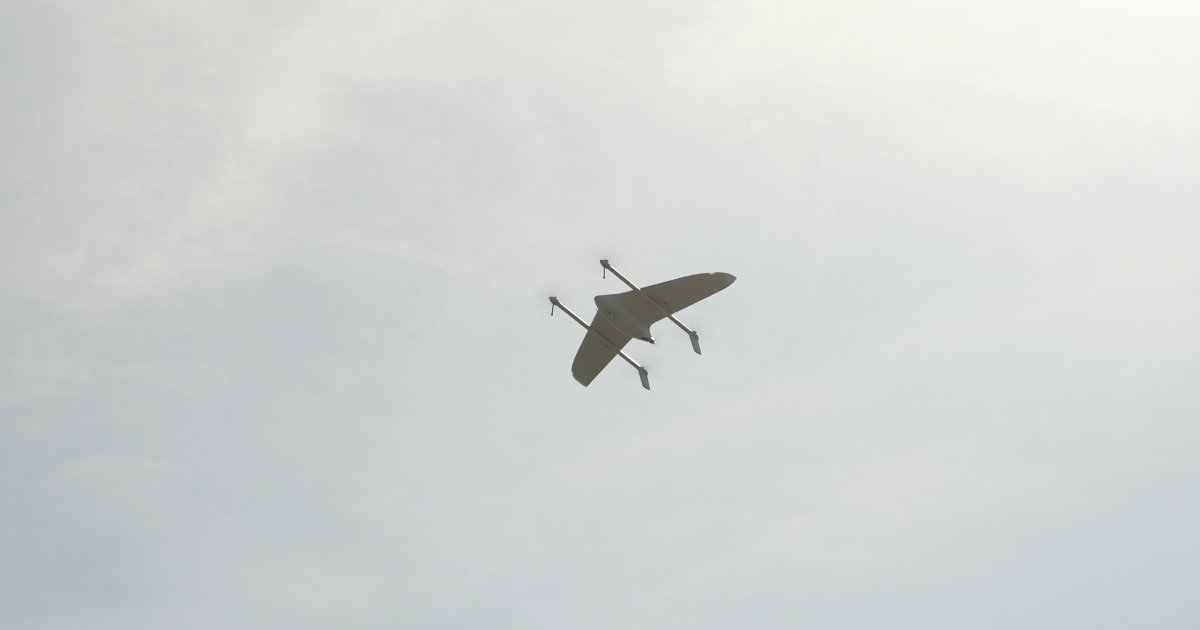
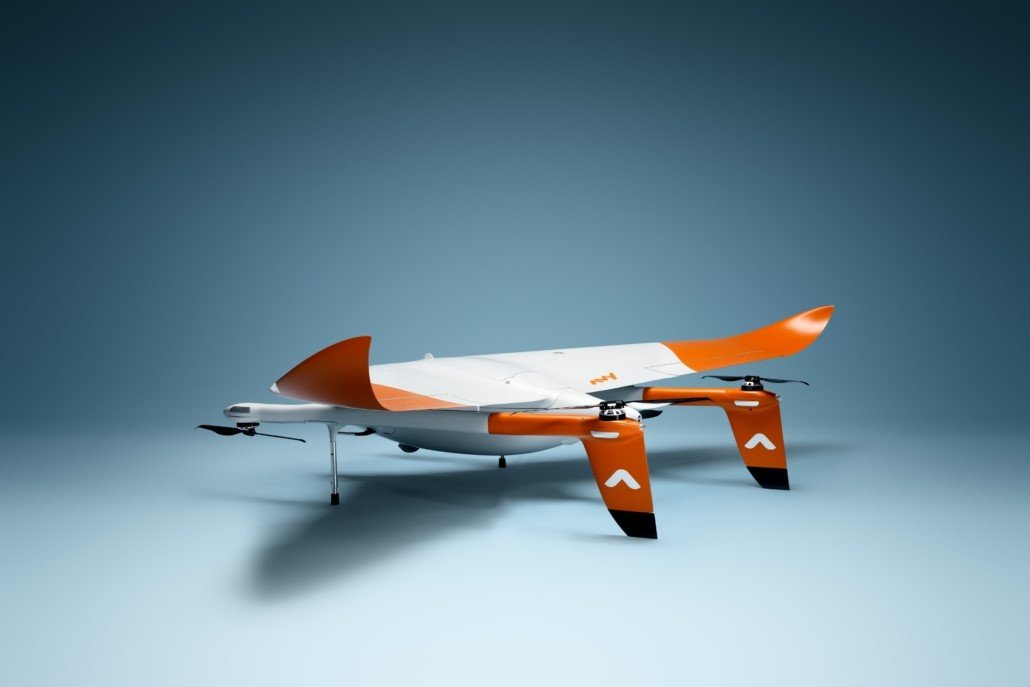
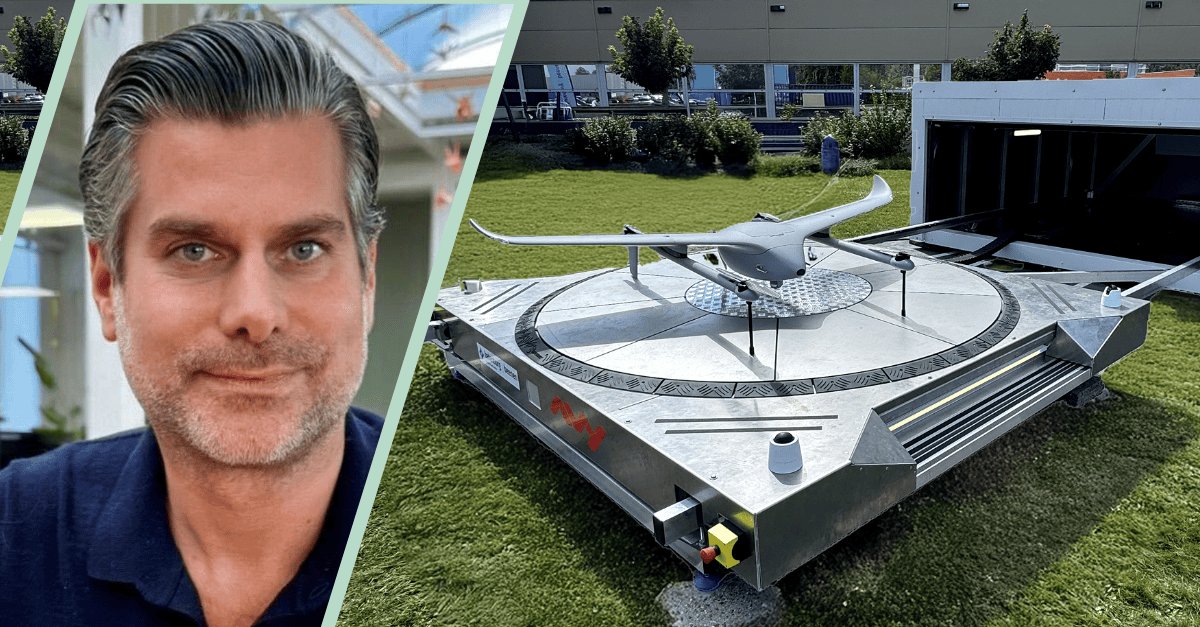
The company’s primary hardware offering is the Aera, an electric fixed-wing vertical take-off and landing (VTOL) drone. The Aera is designed to operate with a range of approximately 100 kilometers, allowing it to conduct long-endurance missions without the need for runway infrastructure. This capability is critical for maritime defense intelligence, surveillance, and reconnaissance (ISR), as well as for emergency response scenarios where rapid deployment is necessary. The drone is integrated with the Avy Dock, an autonomous station that handles the launch, landing, and recharging of the aircraft. This system enables fully unmanned operations, allowing the drone to return to the dock for power and data transfer without requiring on-site personnel, thereby extending operational windows and reducing logistical footprints.
Avy positions its technology as a networked solution rather than a standalone device. The company promotes a “Drone Network” concept, where multiple Aera units can be deployed across different locations to create a persistent surveillance grid. This approach is marketed toward both commercial enterprises seeking to optimize global content delivery and security entities requiring continuous monitoring of borders or critical infrastructure. The integration of the drone with cloud-based services suggests a focus on real-time data processing and transmission, allowing users to access live feeds and analytics from anywhere. However, the specific military contracts or government clients utilizing this infrastructure are not publicly listed, and the company does not provide details on the software stacks or open-source libraries used in its flight control systems.
The company’s public narrative heavily emphasizes its commercial applications, highlighting use cases in serverless computing, object storage, and edge security. This dual-use framing allows Avy to appeal to a broad range of industries, from startups to enterprise-level organizations. The company hosts regular “Open Days” to showcase its technology, inviting developers and potential partners to explore its platform. These events serve as a primary channel for the company to demonstrate its hardware and software integration, although they do not provide independent verification of the drone’s performance in hostile or contested environments.
Avy’s presence in the defense-tech sector is defined by its focus on autonomous, long-range ISR capabilities. The company’s technology aligns with broader trends in military aviation toward unmanned systems that can operate independently in contested airspace. However, the lack of public information regarding specific deployments, contract values, or partnerships with defense ministries limits the ability to assess the scale of its military impact. The company’s emphasis on commercial viability and cloud integration suggests a strategy of leveraging civilian market demand to subsidize and refine its defense-related technologies. As the global landscape shifts toward increased reliance on autonomous systems for security and surveillance, Avy’s role remains that of a niche provider offering specialized hardware and networked solutions, with its full operational scope obscured by its commercial branding.
- Stack
- edge-autonomy
- Collaboration
- dual-use
- NL link
- nl-supplier
Products
Drones
Aera
Electric fixed-wing VTOL drone, ~100 km range, for beyond-visual-line-of-sight surveillance, security, and emergency-response missions.
Aera
Electric fixed-wing VTOL drone with fully autonomous BVLOS capability, built for ISR, maritime surveillance, search-and-rescue, and medical logistics.
Introduced 2020
Software
Dock
Autonomous docking station that launches, lands, and recharges the aircraft without on-site crew.